Follow Us on Google
From Isaac Anumihe, Abuja
Despite its abundant natural resources and talented people, Nigeria has for decades struggled with widespread poverty, poor healthcare, weak education and a widening gap between the rich and the poor. While successive governments have introduced intervention programmes to tackle these challenges, many have struggled to deliver lasting impact because they operated in isolation, with little coordination among implementing agencies.
The federal government’s unveiling of a coordinated $3.05 billion social development package marks a deliberate attempt to break from that pattern.
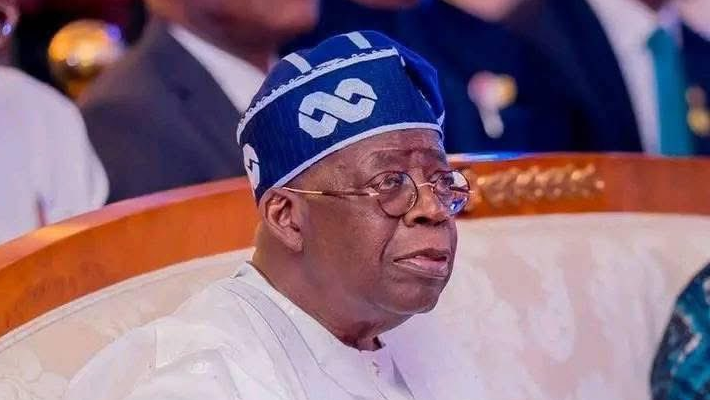
Launched by President Bola Tinubu last Thursday, the initiative goes beyond another round of welfare spending. Instead, it represents an integrated strategy that links poverty reduction with investments in healthcare, education, livelihoods and support for communities devastated by conflict and climate-related disasters.
Central to the initiative are five interconnected programmes: the Nigeria Community Action for Resilience and Economic Stimulus Additional Financing (NG-CARES AF), the Solutions for Internally Displaced Persons and Host Communities (SOLID) programme, and the Human Capital Opportunities for Prosperity and Equity (HOPE) package, which comprises governance, primary healthcare and education reforms.
Collectively valued at more than $3.05 billion, the programmes are backed by the World Bank and other development partners and are designed to confront the multiple dimensions of poverty simultaneously rather than treating them as separate challenges.
The largest allocation goes to HOPE, a $1.5 billion investment aimed at strengthening governance, improving primary healthcare delivery and revitalising public education. Another $1.25 billion has been earmarked for the NG-CARES Additional Financing Programme to support smallholder farmers, nano, micro and small enterprises, vulnerable households and communities affected by economic shocks. The remaining $300 million will fund the SOLID Programme, targeting internally displaced persons (IDPs) and their host communities.
The thinking behind the programmes is straightforward. Poverty is rarely caused by a single factor. A struggling farmer needs access to finance, improved healthcare, quality education for children and social protection during periods of economic hardship. Likewise, internally displaced families require more than food aid; they need schools, hospitals, infrastructure and sustainable livelihoods to rebuild their lives.
Government officials believe that tackling these issues together offers a greater chance of achieving lasting economic transformation.
Speaking at the unveiling in Abuja, the Coordinating Minister of the Economy and Minister of Finance, Prof. Taiwo Oyedele, who represented President Tinubu, described the programmes as a response to Nigerians’ aspirations and an expression of the administration’s commitment to inclusive growth.
According to him, the interventions are designed to ensure that development opportunities reach ordinary Nigerians, particularly those living in underserved communities.
The programmes also build on existing social protection efforts.
Oyedele disclosed that the government’s expanded cash transfer initiative has already reached 15 million vulnerable households, lifting an estimated 7.5 million people out of poverty. Rather than replacing that intervention, the newly launched programmes are expected to deepen its impact by addressing the structural causes of poverty.
President Tinubu used the occasion to call on all stakeholders to ensure successful implementation.
Other News
He said: “NG-CARES succeeds through your implementation. HOPE succeeds through your commitment to reform, and SOLID succeeds through your engagement with communities. I ask every federal, state and local government to partner; every development institution, and every implementing agency to rise to this moment along with us.”
His appeal reflects a familiar lesson from previous intervention programmes. Funding alone does not guarantee results. Effective coordination, transparency, accountability and strong monitoring systems often determine whether ambitious policies translate into measurable improvements in people’s lives.
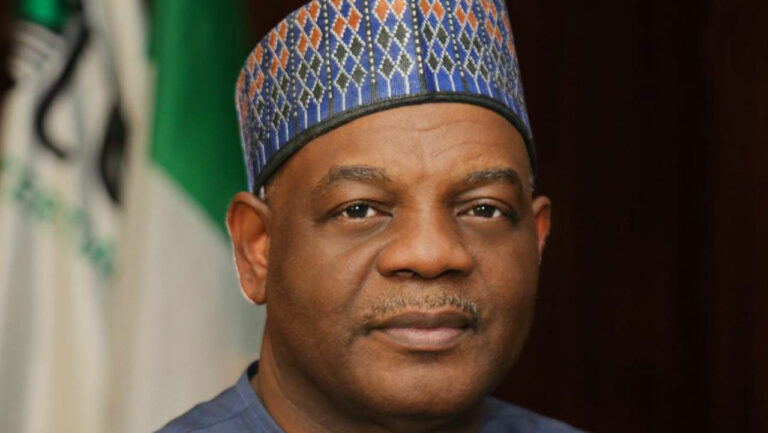
The Minister of Budget and Economic Planning, Senator Atiku Bagudu, highlighted the achievements of the original NG-CARES Programme, which provides the foundation for the latest intervention.
According to him, the parent programme, funded with $750 million and implemented between 2021 and 2025, reached 17.6 million Nigerians, including poor households, smallholder farmers, nano, micro and small enterprises, as well as communities affected by the COVID-19 pandemic and other economic disruptions.
Bagudu explained that the additional financing would expand livelihood support, strengthen food security, reinforce social protection systems and improve community resilience across the country.
Equally significant is the SOLID Programme, which reflects a shift from emergency humanitarian relief to long-term development planning. Rather than focusing solely on food distribution and temporary shelters, the programme seeks to restore livelihoods, rebuild local infrastructure, improve access to healthcare and education and promote peaceful coexistence between displaced persons and host communities.
This approach is particularly important given the increasing number of Nigerians displaced by insurgency, banditry, communal conflicts and climate-related disasters.
Meanwhile, the HOPE Programme recognises that sustainable national development depends largely on the quality of a country’s human capital. Better schools, stronger primary healthcare systems and more accountable governance structures are expected to improve productivity, reduce inequality and create a healthier workforce capable of driving economic growth.
The three pillars of the programme—HOPE Governance, HOPE Primary Healthcare and HOPE Education—are therefore expected to strengthen public institutions while improving service delivery at state and local government levels.
Development experts have long argued that investments in people generate higher long-term returns than short-term consumption spending. Healthy children learn better, educated citizens become more productive workers and stronger institutions encourage private investment.
For Nigeria, where millions remain below the poverty line despite its vast economic potential, the success of these programmes could influence not only living standards but also the country’s long-term growth trajectory.
Still, the ultimate test will not be the size of the funding but the quality of implementation.
With support from the World Bank, the Nigeria Governors’ Forum, state governments and other development partners, expectations are high that the programmes will deliver measurable improvements in livelihoods, healthcare, education and community resilience.
Whether they become another chapter in Nigeria’s long history of intervention programmes or emerge as a genuine turning point in the country’s fight against poverty will depend on sustained political commitment, institutional discipline and effective execution.