Follow Us on Google
By Ezekiel David
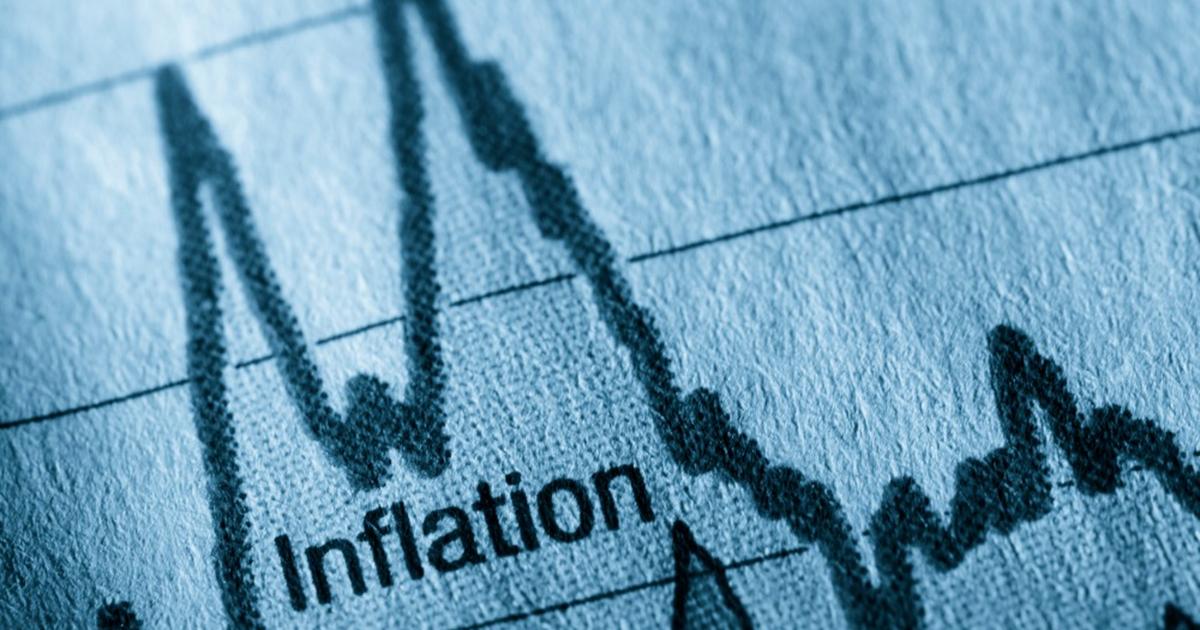
Nigeria’s inflation rate dropped in July for the first time in more than a year, from 34.19% in June to 33.40% in July, according to National Bureau of Statistics data that was made public on Thursday.
The drop is consistent with the projections of analysts, who suggested that June’s inflation may have been the top as the impact of the depreciation of the naira started to fade.
The reduction in July offers some relief to Nigerians, who have been grappling with rising living costs and recently protested against economic hardships and governance issues.
The inflationary pressures have been largely driven by President Bola Tinubu’s economic reforms. These include raising electricity rates, devaluing the naira, and eliminating a gasoline subsidy that had been in place for decades.
Other News
Although the goals of the policies are to boost public finances and encourage economic growth, they have resulted in a sharp surge in prices, which has put pressure on household earnings.
December 2022 was the last time Nigeria saw a drop in annual inflation. In an effort to control inflation, the Central Bank of Nigeria raised interest rates four times this year. However, after the most recent increase in July, some analysts believe the central bank might be nearing the end of its rate-hiking cycle.
The next meeting of the Central Bank to discuss monetary policy is set for late September. In the meantime, the statistics office revealed that the main drivers of inflation in July continued to be food and non-alcoholic drinks, with food inflation marginally decreasing to 39.53% from 40.87% in June.
(Source: Reuters)