Follow Us on Google
From Shafa’atu Suleiman, Sokoto
The Nasrul-Lahi-L-Fatih Society of Nigeria (NASFAT), Sokoto State chapter, has raised concern over rising divorce cases across northern Nigeria, linking the trend to the absence of structured premarital counselling for young couples.
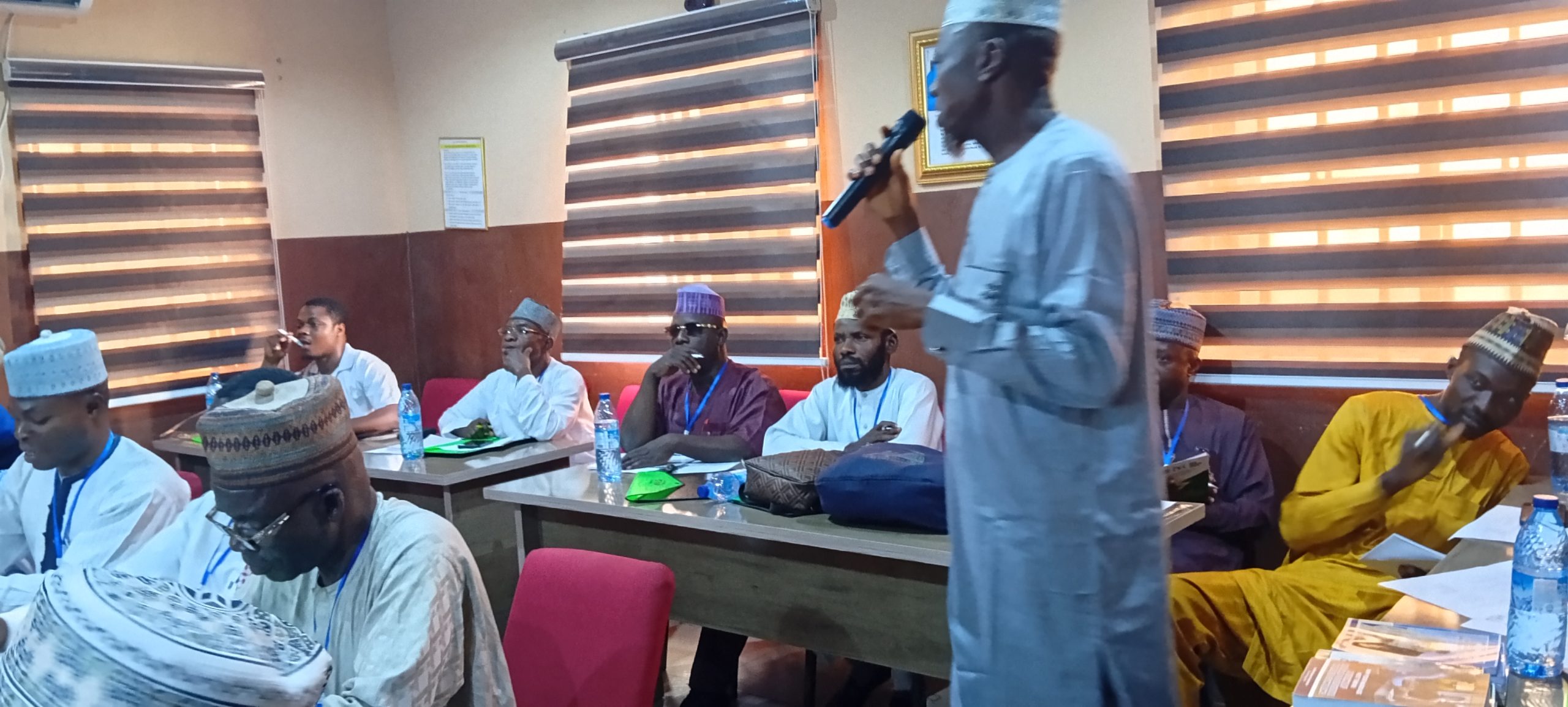
NASFAT stated this during a two-day counselling training organised for imams, women leaders, youth representatives and elders aimed at strengthening community-based support systems and improving marital stability.
The training, described as the first of its kind in the Northwest zone, equipped the participants with skills in conflict resolution, emotional guidance, communication, and the use of digital tools in counselling.
Speaking on the motivation behind the initiative, the programme coordinator Hajiya Shakirat Na’ Allah said her experience from a similar training two years ago inspired her to bring the model to Sokoto despite several logistical hurdles.
She said that the society is in urgent need of the training as community leaders are the first people families run to when facing marital issues, but many are not adequately trained. According to her, the programme is about empowering them to guide others properly.
The Lead facilitator and counselling psychologist, Imam Said Adekunle, said that counselling must shift from the traditional expectation of giving direct instructions to helping people make informed decisions.
“Our role is not to dictate but to guide individuals toward solutions that work for them”
While speaking Imam Shodehinde Ibrahim a marriage counsellor said that the rise in divorce cases is closely tied to the lack of premarital counselling, noting that many couples marry without understanding compatibility, communication or shared values.
He said that marriages today face unprecedented challenges, not because couples do not love each other, but because many do not fully understand what love entails. He advised that increasing the number of trained counsellors is essential to addressing the growing crisis of marital breakdown.
Also speaking Professor Abdulganiyyu Ayodele Salau of the Department of Educational Foundation Usmanu Danfodiyo University, said many imams already serve as informal counsellors but require specialised training to function effectively as para-counsellors capable of identifying root causes of family problems.
Other News
He explained that such training will enhance their performance by equipping them with the right techniques to assess situations objectively, enabling them to offer guidance based on concrete evidence rather than assumption or personal opinion.
Comrade Olaniyi Abdulhakeem, a relationship coach and sexual therapist, highlighted sexual health as a major but often neglected source of marital conflict, urging counsellors to create safe spaces for such discussions.
He said that sexual intimacy remains a core responsibility in marriage and warned that any union where couples cannot discuss or enjoy a healthy sexual relationship is at risk of breaking down.
Abdulhakeem said that the training aims to help counsellors understand how to guide couples in addressing sexual concerns openly, emphasising the importance of communication, mutual understanding and proper sexual education.
According to him, analysis shows that “about 95 per cent of marital problems now stem from sexual issues,” largely because many couples lack orientation on how to manage intimacy.
He stressed the need to break the taboo around discussing sex in conservative communities, saying counsellors must lead the way by providing accurate information and encouraging couples to treat sexual wellbeing as an essential part of marital stability.
On the role of counselling in conflict resolution, Na’Allah emphasised the importance of understanding the root of any conflict before applying the appropriate strategy.
“You cannot resolve conflict at the surface level, knowing the cause determines the counselling theory or method to apply”
Participants described the programme as timely, especially as economic hardship, insecurity and social pressures continue to strain family relationships across the region.
NASFAT said it plans to scale up the initiative across the Northwest to strengthen families, reduce marital breakdowns and promote community stability.