Follow Us on Google

In a startling revelation, the United Nations Children’s Fund (UNICEF) has disclosed that over 26.5 million Nigerian children do not have enough water to meet their daily needs. It also raised the alarm that about two billion people the world over lack access to potable water. The agency made the disclosure during the marking of this year’s World Water Day. The World Water Day celebrated on March 22 every year is a day set aside by the United Nations to raise awareness on global water crisis.
The theme of this year’s celebration is valuing water. According to the UN, “the value of water is about much more than its price-water has enormous and complex value for our households, food, culture, health, education, economics and the integrity of our natural environment.” It also warned that “if we overlook any of these values, we risk mismanaging this finite, irreplaceable resource.”
According to UNICEF’s Representative in Nigeria, Mr. Peter Hawkins, more than 1.42 billion people, including 450 million children, are living in areas of high or extremely high water vulnerability. Hawkins, who described Nigeria’s water situation as particularly worrying, pointed out that children are its biggest victims.
“When wells dry up, children are the ones missing school to fetch water. When droughts diminish food supplies, children suffer from malnutrition and stunting. When floods hit, children fall ill from waterborne illnesses. And when water is not available in Nigerian communities, children cannot wash their hands to fight off diseases,” Hawkins stated.
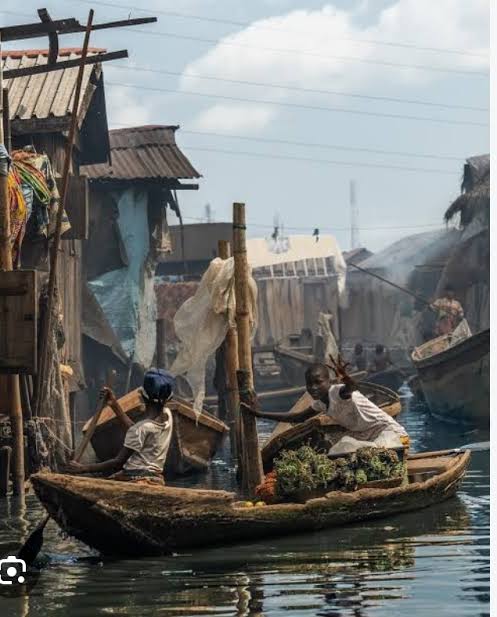
There is no doubt that access to clean water is a daily challenge for many Nigerians. Many Nigerian communities depend on surface water, unimproved sources of water, or water that can take some time to collect for their daily water needs. Some resort to digging boreholes which have proven to be dangerous to the earth structure, when carried out indiscriminately.
It is estimated that at least 167 million homes do not have access to hand-washing facilities. This is pathetic in a period of COVID-19 pandemic, with much emphasis on hand-washing as a way of preventing the disease. Unfortunately, about 100,000 Nigerian children are said to die annually of water-related diseases, thereby underscoring the need for the government to improve access to portable water for all Nigerians.
Other News
Although about 70 per cent of Nigerians are reported to have access to basic water services, more than half of these water sources are however contaminated. While the average amount of water each person receives in Nigeria is nine litres per day, the minimum acceptable range, according to experts, is between 12 and 16 litres per day.
Inadequate access to potable water contributes to high prevalence of waterborne diseases, high infant mortality. It also threatens the livelihoods of smallholder farmers, and contributes to low levels of school enrollment, especially among girls. The danger is that Nigeria stands the risk of missing the Sustainable Development Goal (SDG) 6: which targets water and sanitation for all by the year 2030. To avoid missing this vital water goal, the government should muster the political will to address the water challenge.
The UNICEF revelation is a wake-up call on the federal and state governments to rise up to the challenge of providing access to potable water in the country. It is sad and unacceptable that many Nigerians do not have access to potable water in the 21st Century world. The government must do something urgently to change the ugly water narrative. State governments should resuscitate all moribund water schemes across the country as a way of ensuring general access to potable water.
The present practice where many individuals, families and communities dig boreholes is not sustainable and cannot give Nigerians potable water. There is need for public water utilities with taps at strategic locations in both rural and urban areas.
Since water is indispensable to human survival, government should prioritise the provision of clean water to all Nigerians. We have both the human and material resources to achieve that goal. Nigeria can only achieve water security for its citizens through adequate exploitation and management of its water resources.
Although in 2020, the government released a report which showed that Nigeria is making some progress in improving access to water, sanitation and hygiene to its population, with 70 per cent of Nigerians having access to basic drinking water, more work needs to be done to ensure access to potable water for all Nigerians. Therefore, we urge the federal and state governments to invest more on water resources development.