Follow Us on Google
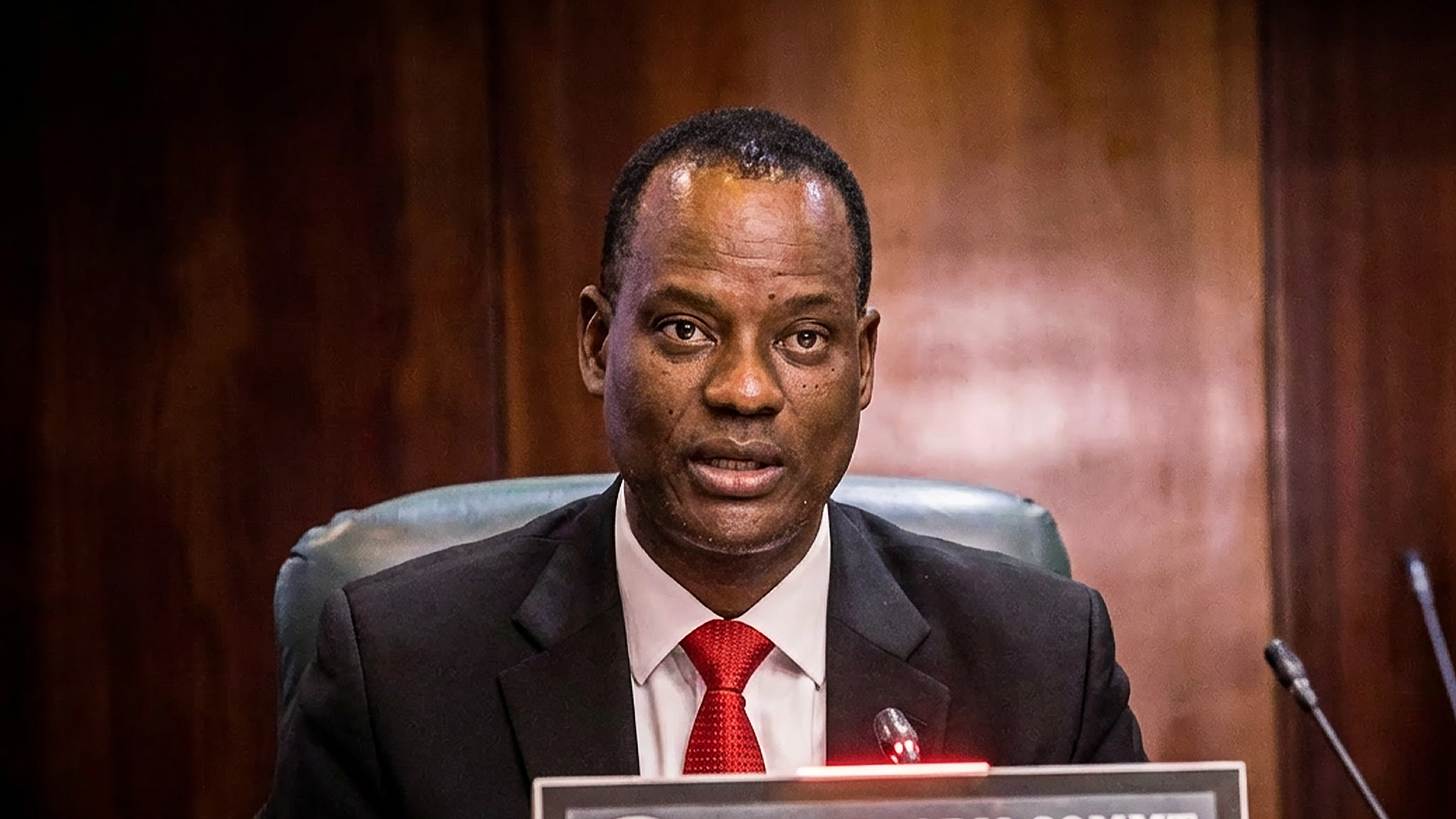
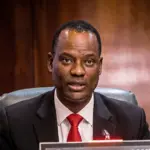
Nigeria’s Minister of Finance and Coordinating Minister of the Economy, Taiwo Oyedele, has received commendation from the leadership of the International Monetary Fund (IMF) and the World Bank for his leadership of the Group of 24 (G-24), following calls for reforms to the global financial system to address the challenges facing developing economies.
The commendation came during the 2026 IMF and World Bank Group Annual Meetings in Bangkok, Thailand, where Oyedele chaired the G-24 Board of Governors meeting and advocated affordable development financing, a fairer international financial system and faster resolution of sovereign debt crises.
IMF Managing Director, Kristalina Georgieva, and World Bank Senior Managing Director, Axel van Trotsenburg, who represented World Bank President Ajay Banga, joined other G-24 governors in recognising Oyedele’s leadership of discussions on financing challenges confronting developing countries.
The World Bank’s recognition was further highlighted during a meeting between Banga, Oyedele and the Governor of the Central Bank of Nigeria, Olayemi Cardoso, where the bank president acknowledged Nigeria’s economic reform progress.
Banga reportedly pointed to an increase in private capital inflows into Nigeria from about $300 million in 2023 to nearly $6 billion in 2026.
At the meetings, Oyedele drew attention to the growing debt-servicing burden on developing countries, warning that rising repayment obligations were limiting their capacity to invest in infrastructure, create jobs and promote inclusive economic growth.
According to a Reuters report, the minister said developing economies were paying approximately $500 billion more in debt servicing than developed countries.
He called on international financial institutions to make concessional financing more accessible and affordable, particularly for vulnerable economies struggling with mounting debt obligations and limited fiscal space.
Oyedele also cautioned against imposing additional tax burdens on vulnerable households and productive sectors amid global economic uncertainty.
He advocated improved revenue mobilisation, reduced government waste and a balanced approach to taxation and borrowing as part of efforts to strengthen public finances without worsening the economic difficulties faced by citizens and businesses.
At the Africa’s Golden Future Forum in Bangkok, the minister presented Nigeria’s economic reform experience, including fuel subsidy removal, foreign exchange liberalisation and tax reforms, as lessons for other African countries pursuing sustainable economic growth.
He also highlighted government interventions, including cash transfers and education support, designed to cushion the impact of reforms on vulnerable citizens.
Despite the international recognition, Nigeria faces the challenge of ensuring that its economic reforms translate into tangible improvements in the living conditions of its citizens.
Rising living costs, pressure on household purchasing power and the need to generate productive employment remain important considerations in assessing the impact of the reforms.
Similarly, the increase in private capital inflows will need to translate into sustainable investment, job creation and expanded productive capacity to deliver lasting economic benefits.
Improved revenue mobilisation will also require effective management of public resources to ensure that essential services are adequately funded without placing a disproportionate burden on ordinary Nigerians.
Oyedele’s participation in the Bangkok meetings therefore highlighted Nigeria’s engagement in international economic policy discussions, while drawing attention to the need to translate reform efforts and global partnerships into measurable domestic gains.
His recognition by international financial leaders could strengthen Nigeria’s role in discussions on development financing and global economic reforms.
However, the long-term impact of the country’s economic policies will ultimately depend on their ability to improve livelihoods, expand economic opportunities and support sustainable growth.