Follow Us on Google

The tragic death of 26-year-old Nigerian singer, Ifunanya Nwangene, has drawn attention to Nigeria’s precarious health system and ill-equipped hospitals that are incapable of responding to emergencies, including snakebites. The talented soprano singer, who came to limelight a few years ago by starring in the TV competition, The Voice, was beaten on the wrist by a snake recently while sleeping in her apartment in Abuja. Though she was taken to a hospital for medication, the inability of the hospital to provide antivenom compounded her predicament. The untimely death of the promising artist in her prime is regrettable. It is unacceptable that a patient could die in a Nigerian hospital for lack of antivenom, considering the rate of snakebites in the country.
The high burden of snakebites in Nigeria should compel the health authorities to equip every Nigerian hospital with antivenom. Available statistics show that Nigeria records 43,000 snakebites cases ever year. Data from the Toxinological Society of Nigeria reveal that 1,900 people die annually in the country from snakebites. The snakebites lead to about 2,000 amputations in the country every year. Nigeria is among the top three most affected countries of snakebites globally. Statistics reveal high rates in northern savanna areas, accounting for up to 497 per 100,000/year and lower figures in other parts like the Southeast, around 30.8 per cent. According to the National Institutes of Health (NIH), the saw-scaled carpet viper is a major cause of severe cases and deaths in Nigeria. The black-necked spitting cobra and the puff adder are the two other snakes that contribute to lethal cases of snakebites in Nigeria. Nigeria has about 29 snake species. About 41 per cent of them are venomous.
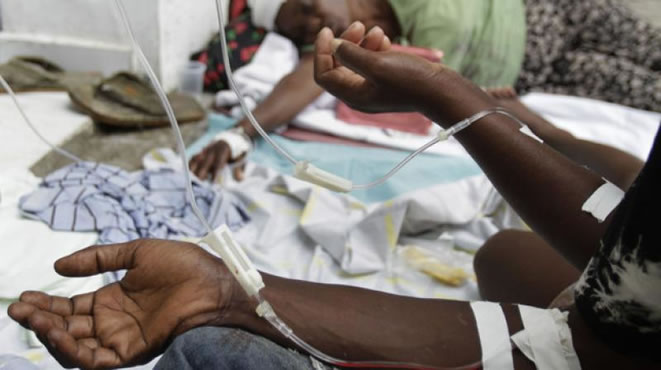
Following the unfortunate death of Ifunanya Nwangene, two cobra snakes were reportedly removed from her apartment by snake handlers. Ifunanya’s family members alleged that her case was mismanaged by the two hospitals she attended. It was also revealed that Ifunanya was taken to a federal medical centre Abuja after the first hospital in Abuja complained of lack of antivenom to treat her. Unfortunately, the singer succumbed to death after her tourniquet was removed and she was placed on a drip at the second hospital. It was also reported that the family was asked to buy antivenom from a pharmacy by the second hospital, which was also not available.
In Nigeria, polyvalent antivenom is usually used to treat a variety of snakebites and patients now pay between N180,000 and N250,000 per dose of antivenom. It is surprising that hospitals and pharmacies in Abuja don’t have antivenom. A report by the global Strike Out Snakebite initiative shows that 50 per cent of Nigerian health facilities lack the capacity to treat snakebite envenoming. Most health workers surveyed reported difficulties administering antivenom.
Other News
It is laudable that the Senate has called for mandatory stocking of antivenom in hospitals nationwide. Arising from that, we urge the nation’s health authorities to ensure that the antivenom is available in every hospital in the country. Private hospital should have the antivenom as well. It is sad that thousands of people die every year in the country due to snakebites. Let the state governments equip their health facilities with enough antivenom. The local governments should equally do the same. The health authorities in the Federal Capital Territory (FCT), Abuja, should equip their hospitals with antivenom. Let the government ensure steady power supply in these hospitals to enhance the efficacy of their storage systems.
It is appalling that many Nigerians have relied on local healers for succor due to lack of antivenom in some hospitals. These have been useful but sometimes traditional medicine application has also led to many casualties and avoidable amputations. With the advancement in science, snakebites are better treated in hospitals. The widespread use of traditional medicine to treat snakebites in the country is an indication that the true scale of Nigeria’s snakebite crisis and fatalities may be under-reported and not well documented.
It is also commendable that the Senate has called on the Ministry of Health and the National Agency for Food and Drug Administration and Control (NAFDAC) to ensure the nationwide availability of safe, effective and affordable antivenoms. The federal government should also integrate snakebite treatments into Nigeria’s national healthcare strategies and ensure that antivenom is available and accessible.