Follow Us on Google
‘Special Seats Bill not about special treatment for women’
___________________________________________________________________
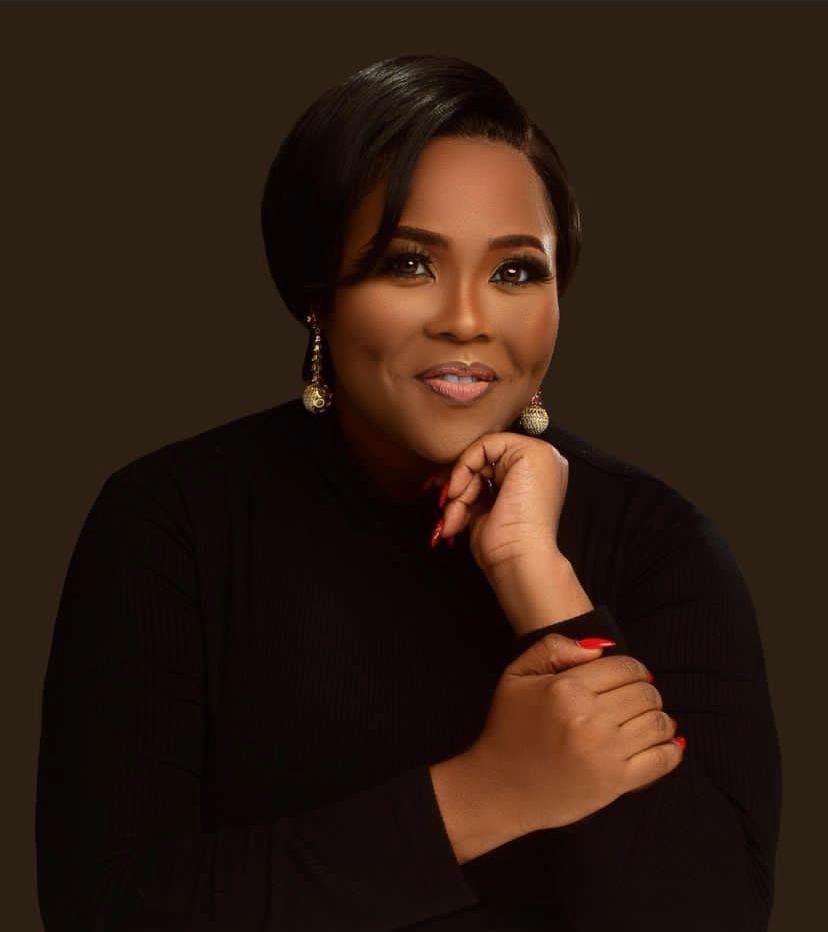
Bose George-Ogan is the founder of WILAN Global and WILAN Women’s Leadership Institute as well as other initiatives designed to move women from the margins into the centre of power.
In this interview she explains why resilience is learned over seasons of scarcity, why quotas and pipeline development must go hand in hand, and how a values-driven media platform—The Leading Woman Show—shifts public imagination about who gets to lead in Nigeria and beyond.
What early experience shaped your drive to become an entrepreneur and public figure?
People often assume there was one defining moment that set me on this path, but it was really a series of experiences that gradually shaped how I saw leadership and impact.
Throughout my early career, I encountered incredibly capable women who were intelligent, qualified, hardworking, and deeply committed to making a difference. Yet, despite their competence, many of them remained absent from the rooms where important decisions were being made. They were delivering results but rarely influencing the decisions that shaped those results. Over time, I realised the issue wasn’t a lack of talent. It was a lack of access, visibility, sponsorship, and systems that intentionally created pathways for women to lead.
That observation stayed with me. I began asking myself difficult questions. Why were women consistently underrepresented in positions of influence? Why were leadership conversations often happening without women at the table? More importantly, what could be done differently?
I realised that waiting for systems to change on their own was not enough. Someone had to help build new ones.
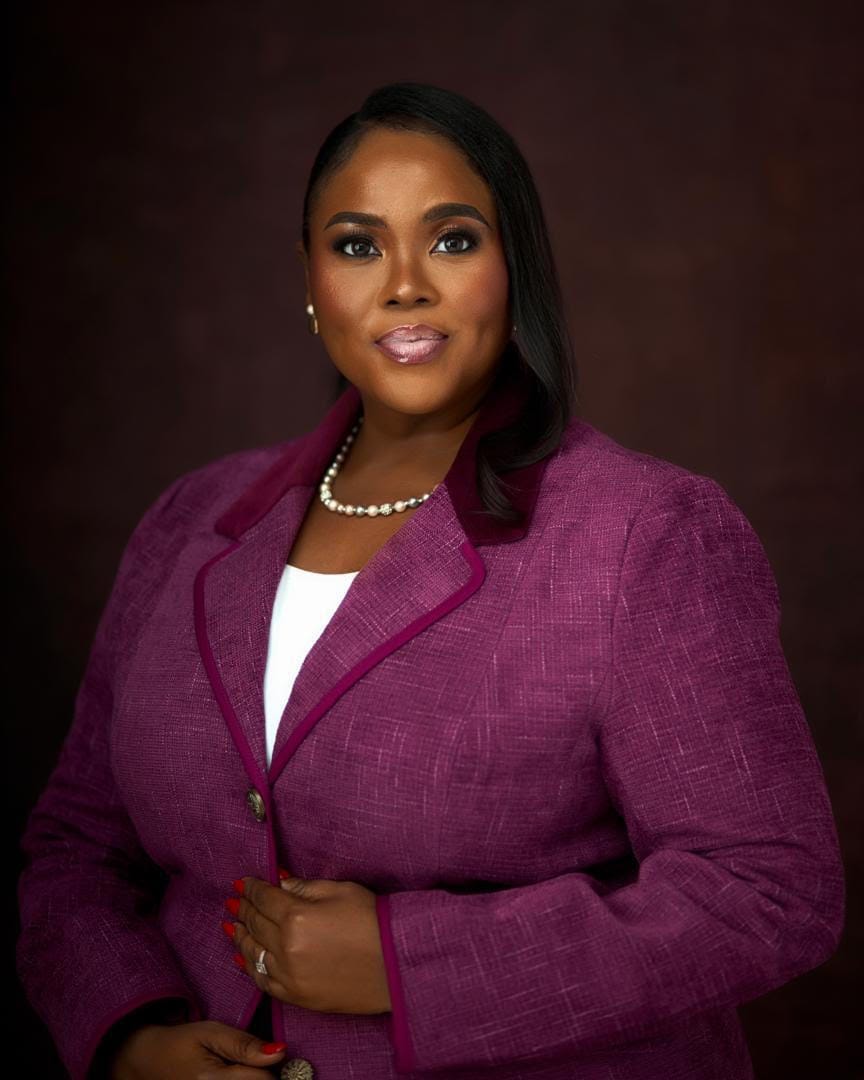
That conviction eventually led me to establish WILAN Global. From the beginning, the vision was never simply to encourage women to aspire to leadership. It was to remove the barriers that prevented them from getting there and to build institutions that could prepare, support, and connect women throughout their leadership journey.
I have also come to understand that leadership is not about being the loudest voice in the room. It is about creating opportunities for others to flourish. That philosophy continues to shape everything I do, whether through policy advocacy, leadership development, media, or institution building.
Looking back, I would say my journey was shaped less by ambition for personal visibility and more by a deep desire to ensure that talented women no longer remained invisible.
How did participating in the Bank PHB Entrepreneur Reality Show shape your career trajectory and access to opportunities?
I didn’t win the competition, but participating in it remains one of the defining experiences of my entrepreneurial journey. At that stage of my career, the experience exposed me to a completely different way of thinking about entrepreneurship. It required participants to articulate ideas clearly, think strategically, defend business decisions under pressure, and receive constructive feedback from experienced entrepreneurs and business leaders.
Perhaps more importantly, it expanded my perspective. It reminded me that entrepreneurship is not simply about having a good idea. It is about solving meaningful problems, communicating your vision effectively, and remaining resilient when outcomes don’t go as planned.
Not winning turned out to be an important lesson in itself. Too often, we define success by trophies, awards, or titles. In reality, some of the most transformative opportunities come from simply showing up. The relationships I built, the confidence I gained, and the discipline I developed from that experience proved far more valuable than the competition itself. It also taught me not to measure progress by immediate outcomes.
Many entrepreneurs experience seasons where the recognition doesn’t match the effort. If you are driven only by external validation, it becomes difficult to sustain the work over the long term. But if you remain committed to your purpose, every experience becomes part of your preparation.
That mind–set has stayed with me throughout my career.
There have been many moments where an opportunity didn’t unfold exactly as I had hoped, but each one equipped me with knowledge, relationships, or perspective that proved valuable later.
Today, when I mentor emerging leaders, I often remind them that rejection is rarely the end of the story. Sometimes it is simply preparation for something much bigger.
What’s the single strategy or decision you made that you credit for your success?
If I had to identify one decision, it would be choosing to build institutions rather than simply build a personal brand. There is nothing wrong with visibility. In fact, visibility is often necessary to influence conversations and attract support. But visibility alone is not impact. Very early, I became intentional about creating structures that could continue generating value beyond me. That philosophy is reflected in everything we have built.
WILAN Global exists to strengthen women’s leadership across multiple sectors through advocacy, leadership development, research, partnerships, and policy engagement.
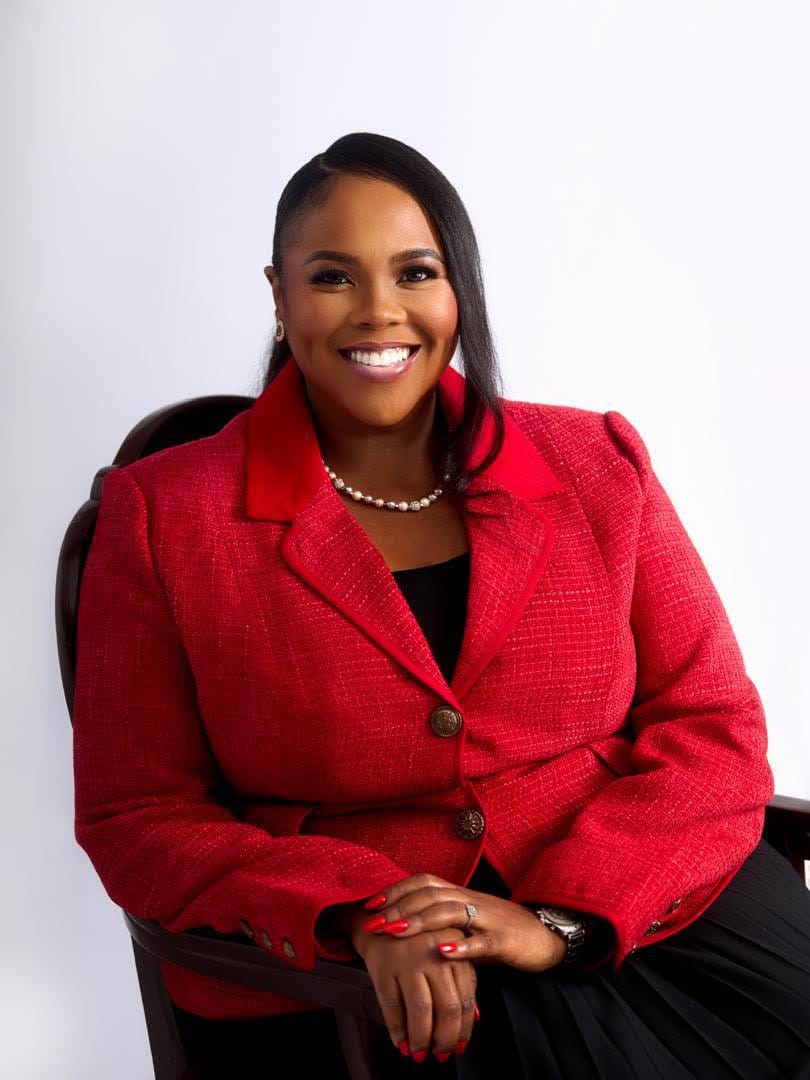
The WILAN Women’s Leadership Institute was established because leadership cannot depend solely on individual talent. It must be developed deliberately. We recognised that women at different stages of their careers require different kinds of support, which is why we designed programmes such as Lead From the Start for emerging professionals and Inside Out Leadership for mid-career women preparing for greater responsibility.
Similarly, The Leading Woman Show on TV was created because changing leadership outcomes also requires changing public narratives. Stories shape aspirations. Representation shapes possibility.
For me, success has never been about being the face of an organisation. It has been about ensuring that if I stepped away tomorrow, the work would continue because strong institutions, capable teams, and clear systems had already been built.
I believe Africa needs more institution builders. Projects come and go. Events begin and end. But institutions have the capacity to influence generations. If there is one decision that has shaped my journey more than any other, it is choosing to invest my energy in building things that will outlive me.
How do you manage trade-offs between public work, media, and family life? What routines, boundaries, or support systems keep you grounded?
I don’t think balance is something you achieve once and then keep forever. I think it is something you intentionally negotiate every single day. There are seasons when work demands more of you. There are seasons when family must take priority. Leadership requires recognising those seasons and making conscious choices rather than allowing circumstances to make them for you.
For me, faith remains the foundation. It gives me perspective when things become overwhelming and reminds me that my worth is not defined by productivity alone. Family is equally important.
No matter how demanding my work becomes, my family reminds me of who I am beyond my professional roles. They keep me grounded in ways that no title or achievement ever could.
Professionally, I have also learned that leadership requires trust.
One of the biggest mistakes leaders make is believing they must do everything themselves. Building capable teams, empowering people to lead, and trusting others with responsibility has been essential to sustaining both my work and my wellbeing.
I’ve also become much more intentional about protecting my time. As your platform grows, opportunities increase, but not every opportunity deserves a yes. Learning to say no has been one of the most important leadership lessons for me.
Every commitment carries a cost. Before accepting new opportunities, I ask myself whether they align with the impact I want to create. If they don’t, I’m comfortable declining, even if they appear attractive.
Ultimately, I don’t pursue balance because I want a perfect schedule. I pursue it because sustainable leadership requires healthy leaders. If we want to build institutions that last, we must also build lives that are sustainable.
What has been your toughest setback, how did you recover, and what did it teach you about resilience?
I think every founder has moments that test whether they truly believe in the vision they are building. For me, those moments were not defined by one dramatic event. They came through seasons of uncertainty.
There were times when resources were limited, when partnerships did not materialise as expected, when funding conversations took longer than anticipated, and when progress felt much slower than the ambition of the vision.
Institution building is rarely glamorous. People often celebrate the milestones they can see, but they rarely see the months or years of persistence that made those milestones possible. During those seasons, I had to remind myself why the work existed in the first place.
The mission had not changed simply because circumstances became difficult. If anything, the challenges reinforced why organisations like WILAN are needed.
I’ve learned that resilience is not about pretending setbacks don’t hurt. They do. It is about refusing to allow temporary disappointment to redefine your long-term purpose.
One lesson I carry with me is that sustainable change requires patience. We often celebrate rapid success, but meaningful social change rarely happens quickly. Changing leadership pipelines. Influencing public policy. Building institutions. Shifting societal norms. These are long-term commitments. You plant seeds today knowing that many of them will mature years later. That understanding has changed how I define success.
Other News
Success is no longer simply achieving a target. Success is remaining faithful to the mission long enough to see transformation happen. And perhaps that is the greatest lesson resilience has taught me. Real impact belongs to those who are willing to keep building long after the excitement fades, because they understand that lasting change is a marathon, not a sprint.
The Reserved Seats Bill failed again. What does the repeated rejection of such reforms tell you about Nigeria’s political system?
The repeated setbacks tell us something important, but perhaps not what many people think. It would be easy to conclude that Nigeria is simply unwilling to embrace women’s political leadership. I don’t believe that is the complete picture. What the repeated rejection of the Reserved Seats Bill reveals is how difficult institutional reform is in any democracy, particularly when that reform seeks to redistribute power. Political systems naturally resist change. Those who benefit from existing structures are rarely eager to redesign them, even when the evidence shows the system is underperforming.
Today, women make up almost half of Nigeria’s population, yet they occupy less than five per cent of seats in the National Assembly, placing Nigeria among the lowest-ranked countries globally for women’s parliamentary representation. That level of exclusion is not simply a women’s issue; it is a governance issue.
The Reserved Seats Bill was never about giving women special treatment. It was about correcting a structural imbalance that has persisted for decades despite repeated commitments to gender inclusion. Around the world, over 130 countries have adopted some form of affirmative measures to improve women’s political participation. Countries such as Rwanda, Senegal, Mexico, and Tanzania have demonstrated that intentional policy reforms can significantly increase women’s representation and improve the diversity of perspectives shaping national decisions.
For me, the rejection of the bill does not represent the failure of the movement.
It represents the beginning of a longer conversation.
One of the most encouraging developments over the past few years is that women’s political representation is no longer a niche issue discussed only within advocacy circles. It has become part of the national conversation. Citizens are asking questions. Young women are paying attention. Traditional institutions, civil society organisations, development partners, and political actors are increasingly engaging on the issue.
At WILAN, this reality has also shaped our strategy. Advocacy remains essential, but advocacy alone is not enough. While we continue supporting policy reforms such as the Reserved Seats Bill, we are simultaneously investing in preparing women to lead through the WILAN Women’s Leadership Institute. Legislative reform creates opportunities, but women must also be equipped with the confidence, competence, networks, and policy knowledge to thrive when those opportunities emerge. That is how sustainable change happens.
Which matters more right now for increasing women’s representation: legal quotas or preparing stronger pipelines of female leaders?
I don’t think we should frame this as an either-or conversation because both are essential. If we prepare thousands of exceptional women but fail to address structural barriers, many of them will still struggle to access political leadership.
Conversely, if legal reforms create new opportunities without investing in women’s leadership development, we risk creating positions that women are expected to occupy without adequate preparation or support.
The most successful countries have recognised that both sides of the equation matter.
Structural reform opens doors. Leadership development ensures women are ready to walk through them. That understanding has informed WILAN’s work from the beginning.
On one hand, we advocate reforms that make political systems more inclusive. On the other, we intentionally develop leadership pipelines through programmes that support women at different stages of their careers.
Our Lead From the Start programme focuses on emerging leaders because leadership development should begin long before someone decides to run for office.
Our Inside Out Leadership programme recognises that mid-career women often require a different kind of support as they transition into senior leadership.
We are also expanding learning opportunities through digital platforms because geography and cost should not determine who has access to leadership development.
Ultimately, representation is not the destination. Better leadership is. The goal is not simply to have more women occupying seats. The goal is to have capable, ethical, values-driven leaders who improve governance, strengthen institutions, and deliver better outcomes for citizens.
When we understand that, it becomes clear that legal reform and leadership development are not competing priorities. They are complementary investments in the same future.
Describe one measurable impact your NGO has achieved and the biggest obstacle you still need to overcome.
One achievement I am particularly proud of is that WILAN has evolved beyond delivering programmes to building an ecosystem for women’s leadership. Over the past year, one of our most significant milestones has been the launch of the WILAN Women’s Leadership Institute. This has been a vision years in the making.
We recognised that while many organisations provide occasional leadership training, there were very few institutions intentionally supporting women throughout different stages of their leadership journey. That gap inspired us to create structured learning pathways. Our first programme, Lead From the Start, has already welcomed its inaugural cohort of early-career women leaders, with participants actively engaging in learning sessions, reflection exercises, and live discussions with facilitators.
At the same time, we have completed the production of Inside Out Leadership, our flagship programme for mid-career women preparing for greater responsibility and influence. For us, these programmes represent much more than courses. They represent an investment in the next generation of women who will lead organisations, businesses, public institutions, and communities across Africa. Alongside the Institute, we have continued advancing policy advocacy, convening cross-sector leaders, producing research, and using platforms like The Leading Woman Show to shape public conversations around inclusive leadership.
The biggest challenge we continue to face is scale. The need far exceeds the resources currently available.
Across Nigeria and the continent, there are countless women with extraordinary potential who still lack access to quality leadership development, mentorship, sponsorship, and professional networks.
No single organisation can solve that challenge alone. That is why collaboration has become such an important part of our strategy. Building stronger partnerships across government, philanthropy, academia, civil society, and the private sector will be critical if we are to reach the scale required to transform leadership across Africa.
What editorial choices guide your TV show, and how has it amplified your advocacy goals?
From the very beginning, we wanted The Leading Woman Show to be different. There are already many programmes that celebrate successful people. What interested me was creating a platform that explores how leadership happens. What shapes leaders? What difficult decisions do they make? What failures have they overcome? What systems need to change? How do they create impact beyond themselves? Those are the conversations that stay with people long after an episode ends. Our editorial approach is therefore intentionally values-driven.
We feature women from different sectors, generations, and backgrounds because leadership does not look the same for everyone. Some lead through public office. Others through entrepreneurship, healthcare, education, technology, philanthropy, or community organising.
Each story expands the public imagination about what leadership can look like.
We also place strong emphasis on substance over headlines. Rather than focusing solely on achievements, we ask questions about policy, governance, identity, resilience, ethics, institution building, and social impact.
Those conversations help shift leadership from something people admire to something they believe they can practise.
In many ways, the show complements WILAN’s broader mission. Advocacy is not only about influencing policy. It is also about influencing culture. The stories we choose to tell shape what society believes is possible.
When young women consistently see women leading organisations, influencing policy, building businesses, and transforming communities, leadership gradually becomes something they expect rather than something they question. That cultural shift is just as important as legislative reform.
A few quick personal favourites: your ideal holiday destination, favourite sport to watch or play, go-to comfort food, and a fashion item you always pack when travelling?
Ideal holiday destination? Anywhere that combines beautiful scenery, rich history, and space to slow down. I enjoy destinations where I can learn about culture, spend time in nature, and genuinely disconnect from the pace of everyday work.
Favourite sport? Tennis. I admire the discipline, mental resilience, and focus the game requires. It’s a reminder that success often comes down to consistency, not just talent.
Go-to comfort food? Nothing beats a good home-cooked Nigerian meal. There is something about familiar food shared with family that instantly feels grounding, no matter where I’ve travelled.
And the fashion item would be a well-tailored blazer. It’s timeless, versatile, and effortlessly transitions from meetings to conferences to dinners. Good tailoring never goes out of style.