Follow Us on Google
By Daniel Kanu
Dr Femi Joseph, scholar, an engineer and a Nigerian power expert with the University of Pittsburgh, USA, has given an insight into the Nigerian power sector, x-raying the frequent collapse of the national grid.
He also spoke on corruption in the nation’s oil sector and the need for Nigerian experts abroad to return bome to develop the country. Excerpt:
As a Nigerian expert living in the United States of America (USA) for several years, do you sometimes think of coming back home to work in your country?
Of course yes, absolutely. Nigeria is the cradle and no matter where you go, it is always good to remember the way that will lead you home. The basic idea is to gain as much exposure to the system and find an opportunity to replicate the same in Nigeria, if at all no modifications are required. There has been mass exodus of Nigerians migrating out of the country under the ‘japa’ mantra, but this migration can eventually be utilised as a two-way street where knowledge is imported back into the country. It is not all loss as there is also a blessing in migration to other lands.
What will it take for experienced Nigerian professionals like you and several others to return home to assist in building the country to be great also?
To facilitate the return of experienced professionals, the country must be in a welcoming condition, not necessarily perfect, but a desire on the path of leadership to engender a new Nigeria. Most diasporians are legitimately concerned about the state of insecurity. Without adequate security, there cannot be any meaningful growth and development. This trend of insecurity does not seem to be on the decline anytime soon due to the rising cost of living, unemployment and poverty, which will eventually lead to high crime rate. No one sleeps with fire on the roof, hence the need to deal with the pressing need for insecurity which is a primary responsibility of the government.
We know that few Nigerians in the Diaspora lead some missions from abroad to the country to help here and there, especially in the health sector. Would you say these efforts are enough considering the precarious situation the country is in all sectors?
The efforts of some Nigerians to support the country, especially in the health sector, are highly commendable. This is likely to continue in the coming years, especially if the country is made a safer place. I can tell you that the current trend is due to the mass influx of health professionals who left the country some years ago. This is why we can see a blessing in migration and then harness the potential for our future generation.
As an expert in power, what do you think Nigeria has been experiencing serial collapse of the national grid?
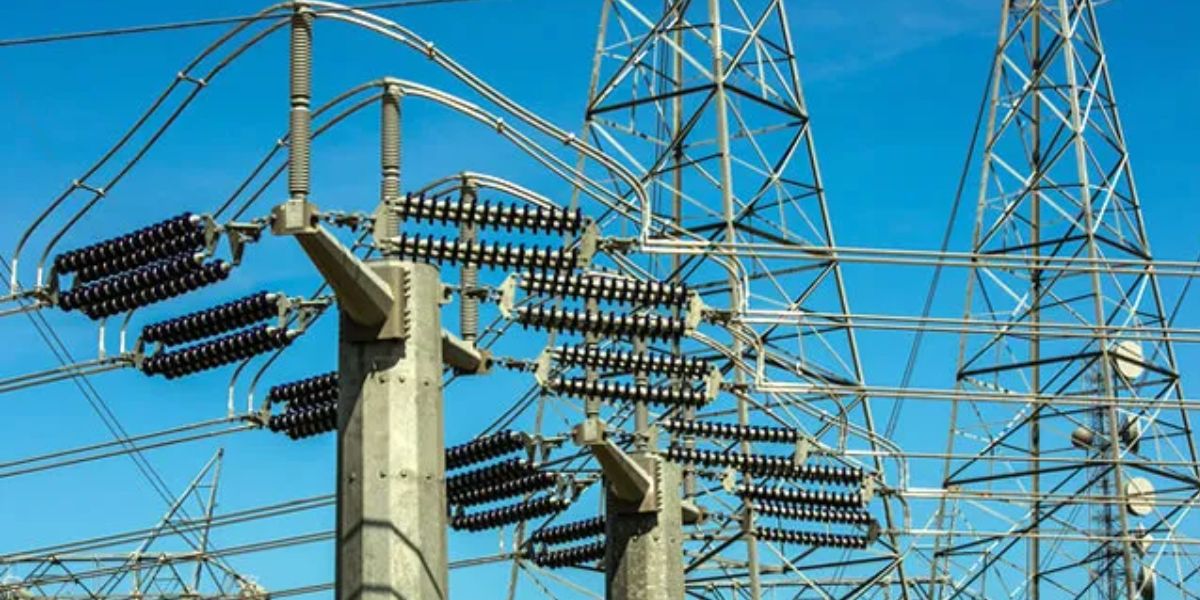
The frequent collapse of the national grid is largely due to loss of large load or generation leading to wide frequency excursion/loss of synchronism, which could lead to cascade failures of the entire bulk electricity system. The national grid scored a hat-trick last week by collapsing three times, and from what I read from the Nigerian Electricity Regulatory Commission (NERC) page, this was due in part to a failure of a current transformer in a substation. Simply put, a fundamental reason for the collapse is due to lack of system inertia or slow frequency response of online generators. This blackout partly will continue until efforts are made to add inertia to the power system. With new modern day technologies, there are ways to prevent such future recurrence.
Would you say that corruption in the Nigerian system has been contributing to the failure of the country to reach its zenith, especially in areas of power, technology, industrialisation, etc?
Corruption has eaten deep into every fabric of the nation, which is making matters worse. If we want to move forward as a country, we must be determined to crush this endemic called corruption. While there is no perfect system or economy, it will be in the interest of the present and future generation to achieve a sane society where there is accountability, fairness, equity and justice. All hands must be on deck to actually move this country forward.
What do you think should be done to put the national grid in such a healthy state to stop its frequent collapse?
As I previously pointed out, modern fast frequency response (FFR) technologies are available that assist with safe and reliable grid operation. Whenever there is an abrupt load change, these technologies can respond to frequency deviation in a matter of milliseconds. Alternatively, traditional solutions such as ensuring that the prime movers of the rotating generating units have a fast frequency response on a defined droop curve. The latter can be confirmed with the manufacturers’ technical datasheet, including a testing/study and compliance certificate that validates that the transient stability standards and requirements are satisfied.
What alternative energy sources would you suggest can help Nigeria overcome its embarrassing perennial energy crisis?
In my recently published article in which I recommended renewable energy sources such as solar. When it is combined with battery energy storage, it helps to increase the availability of resources. With the Electricity Act of 2023, it is now possible to add diverse energy sources into the mix at the lower voltage distribution level. This will further enhance grid stability, reduce outages, improve reliability and faster restoration time. However, certain strict grid codes need to be developed at the state level in which all developers intending to interconnect large generators must adhere to. This interconnection agreement/guide will ensure safe and reliable supply of power into the grid. Wind energy is also a great source, but not all locations are capable of viable wind speeds that can spin a turbine blade.
I believe you are aware of the recent hike of electricity cost, which unilaterally divided consumers into Bands, leading to arbitrary charges on consumers. What is your take on this development which Nigerians believe is unfair and extorting hapless citizens?
The Nigerian Electricity Regulatory Commission (NERC) needs to protect the customer, while also ensuring that DisCos are supported in government funding and grants to assist with infrastructure development. The DisCos have done a really great job of rolling out prepaid meters to customers. The next step is to enlighten customers in energy efficiency and seek alternative methods such as load-forecasted demand response programme for large commercial and industrial customers can be used to reduce peak load demand. The need for DisCos to upgrade infrastructure is what leads to increased electricity prices for the consumers.
Still on energy, what is your view on the control of Nigeria’s petroleum sector by cabals in the Presidency and the Nigerian National Petroleum Company (NNPC) Ltd?
The petroleum sector is a vital area of the nation’s economy. I am hopeful that the set of people who have control over the most important nation’s resources will eventually see a reason to work in the utmost interest of the country. Change is not an easy step, but it will surely come, but then in the interest of everyone, including the cabals themselves.
What is your take on the disagreement between Dangote Refinery, the Nigerian National Petroleum Company (NNPC) Limited and independent oil marketers following the monopoly power of the NNPCL, leading to continued hike of fuel prices despite the efforts of the private refinery?
This vital macroeconomic issue should be handled with large recourse to the interest of the Nigerian citizens. Producers, suppliers and distributors are all needed in the supply chain, so that this commodity can get to the hands of the final users. Disruption at any level of this chain-link has led to the increased prices of fuel seen in recent weeks. These stakeholders should kindly come together and speedily resolve this matter so as to alleviate the suffering imposed on well-meaning Nigerians as a result of inflated energy prices.