Follow Us on Google

From Fred Ezeh, Abuja
The National Agency for the Control of AIDS (NACA), the Association of Women Living with HIV and AIDS in Nigeria (ASWHAN) and the Clinton Health Access Initiative (CHAI) have called for stronger community participation, sustainable funding and wider access to innovative prevention tools to accelerate Nigeria’s efforts to end HIV as a public health threat by 2030.
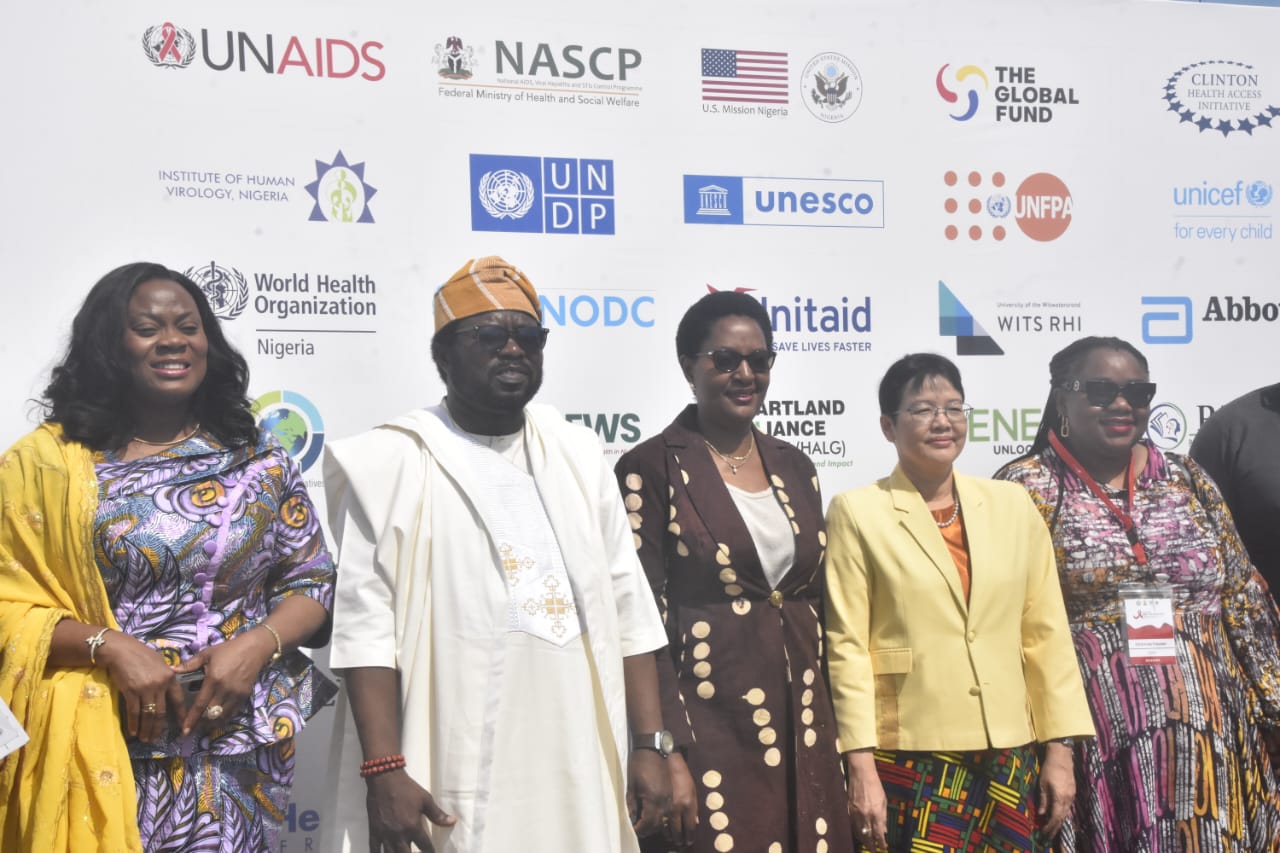
They made the call at the 2026 Nigeria HIV Prevention Conference, in Abuja, on Tuesday, where stakeholders stressed the need to move beyond existing interventions and adopt sustainable, inclusive and community-centred strategies to prevent new infections.
Speaking at the conference, NACA Director-General, Dr. Temitope Ilori, said Nigeria had recorded commendable progress in expanding access to HIV testing and treatment, improving the quality of life of people living with HIV and saving lives.
However, she warned that treatment gains alone would not be sufficient to end the epidemic, insisting that prevention must remain at the centre of the country’s HIV response.
Ilori, whose address was themed, “Building to Last: Re-imagining HIV Prevention Strategies in Nigeria”, said the country must rethink existing approaches and develop prevention systems capable of surviving individual projects, funding cycles and changing global priorities.
She identified domestic resource mobilisation, stronger national and state ownership, integration of prevention services into existing health systems and sustained community engagement as critical to achieving the 2030 target.
The NACA boss said the conference’s 19 sessions would focus on five priority areas, including protecting young people, expanding prevention choices, strengthening sustainable systems, promoting community leadership and using research and evidence to improve outcomes.
She urged participants to ensure that their deliberations produced practical strategies, stronger partnerships and measurable commitments.
Also speaking, National Coordinator of ASWHAN, Mrs Esther Hindi, called for greater involvement of women living with HIV, young people, key populations and community-based organisations in developing policies and programmes.
Hindi said women living with HIV should not be regarded merely as beneficiaries of interventions but as important partners with the experience and expertise to shape effective prevention strategies.
She advocated improved access to HIV testing, pre-exposure prophylaxis (PrEP), condoms, treatment and sexual and reproductive health services.
She also urged the government to accelerate efforts towards eliminating mother-to-child transmission of HIV, insisting that no child should be born with the virus when preventive interventions were available.
According to her, every pregnant woman deserves timely, uninterrupted and quality healthcare services, irrespective of her circumstances.
Hindi further called for stronger action against stigma and discrimination, which she said continued to discourage people from accessing essential health services.
In its goodwill message, the Clinton Health Access Initiative (CHAI) commended the Federal Ministry of Health and Social Welfare and NACA for providing a platform for stakeholders to assess progress, identify implementation gaps and strengthen partnerships.
The organisation highlighted emerging innovations, particularly injectable cabotegravir and lenacapavir, describing them as important opportunities to expand prevention choices, improve access and reach more people with effective HIV prevention services.
CHAI reaffirmed its commitment to working with governments at federal and state levels and other partners to promote equitable access to HIV prevention services.
It also acknowledged the support of Unitaid, the Gates Foundation, Elton John AIDS Foundation and its partnership with ViiV Healthcare in South Africa.
The conference, however, underscored the need for stronger collaboration among government institutions, development partners, civil society organisations, communities and the private sector.
The stakeholders maintained that achieving the 2030 target would require sustained political commitment, predictable financing, innovation and respect for human rights.
They urged participants to translate the conference’s discussions into concrete actions capable of reducing new infections and ensuring that no Nigerian is left behind in HIV prevention efforts.