Follow Us on Google
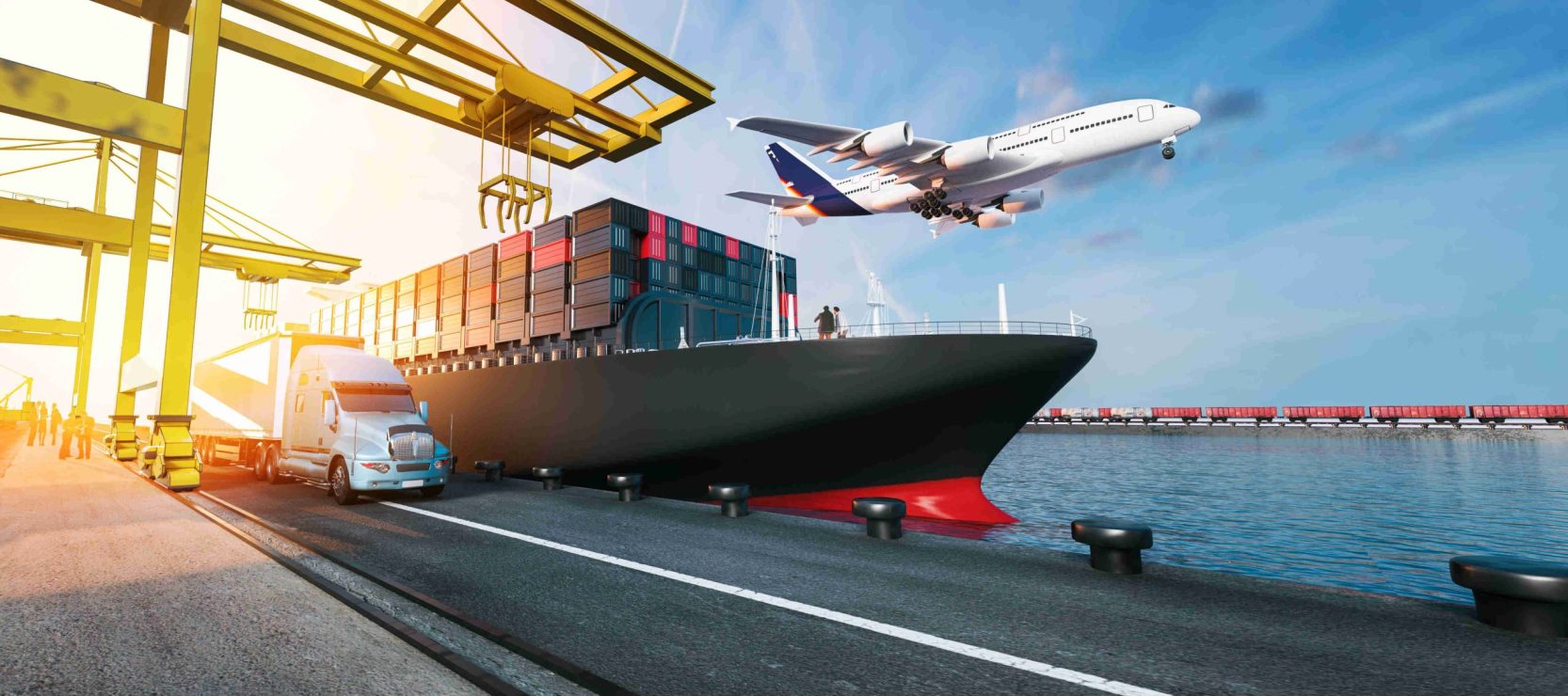
Recent statistics reveal that Nigeria loses over $6 billion yearly to freight diversion to other West African countries due to high airport charges and other multiple levies, as well as infrastructure gaps in the country’s cargo system. High air freight charge was recently exacerbated by a proposed 250 per cent to 257 per cent tariff hike from N7 per kilogramme to N25 per kg by the Federal Airport Authority of Nigeria (FAAN). Exporters say this will further increase the cost of agricultural produce from Nigeria, which are already being rejected in the international market due to high costs. According to the National Bureau of Statistics (NBS), Nigeria exported by air farm produce worth N220 billion. But the volume is said to have drastically reduced as a result of high cost of export.
This could have a negative effect on the economy by discouraging exports and inflating consumer prices. Shipping lines have also introduced high surcharges of about 400 per cent. The unpleasant development calls for urgent need to abolish the high charges at both the airport and seaports. Besides, Nigeria is reported to be losing about $500 million in revenue annually to Ghana, Benin Republic, Togo, Niger and Cote d’Ivoire due to unnecessary freight costs and operational inefficiency. The challenges are pushing exporters and importers to route shipments of goods and services to these neighbouring countries where air and sea cargo charges are lower and clearance faster. The situation is not good for Nigeria.
Until recently, Nigeria was a preferred destination hub for freight forwarders. It has lost that position as a result of high airport charges. Government should urgently reverse this unfriendly policy. The country may soon lose its present position as regional aviation hub if business-friendly policies are not put in place. Since freight business is volume-driven, the rates will decrease by the number of volumes processed. Therefore, the high charges imposed by aviation agencies and others will significantly raise the cost of doing business at the ports.
Last year, business activities at almost all Nigerian ports, especially at the Apapa, Tin Can ports and Terminal Multiple Services Limited were either halted or significantly scaled down due to multiple levies. Over 5,000 cargoes were affected. This resulted in huge losses to port users estimated at over N2trillion in demurrage. The disruption was attributed to persistent network glitches on the Nigeria Customs Service platform, which left manufacturers and other port users incurring about N1.2trillion demurrage in the last five years, according to figures released by the Manufacturers Association of Nigeria (MAN). The problems highlight the poor ease of doing business in Nigeria.
This will likely affect President Tinubu’s ambitious $1trillion economy. The situation has been worsened by the recent reintroduction of the controversial 4 per cent Free on Board (FOB) charge, which shifts the responsibility and risk of goods from the point of transfer – from the seller – to the buyer. It has increased the cost of clearing goods at the ports to over 200 per cent. According to port statistics, a 40-ft container currently attracts a daily demurrage of between N120,000 and N140,000, while a 20-ft container attracts a 24-hour demurrage of N80,000. It is due to these exorbitant charges that huge volumes of cargoes bound for Nigerian ports have been diverted to Lome, Togo, Cotonou in Benin Republic and Tema in Ghana.
Other News
It is also for the same reason that the United States and Russia are reported to be planning to position these West African ports as their preferred maritime hubs in the sub-region. Despite the fact that Nigeria’s maritime sector is valued in excess of $6.4trillion, and annual revenue estimated at N1.6trillion, Nigeria ports are losing their prime position among West African ports. This is not helping the Nigerian economy that depends on the effectiveness and efficiency of the airports and seaports.
Currently, Nigeria is ranked among the lowest African countries in global maritime tourism. Recently, data from the World Trade Organisation(WTO) showed that Nigeria’s contribution to world trade is at all-time low of 0.33 per cent. The low contribution underscores the need to overhaul our air and sea ports in the face of global maritime competitiveness. Trapped cargoes at the ports have been a recurring issue. This has hindered and even paralysed cargo movement at the various airports and ports terminals. Sometimes, this has adversely affected imports and exports. The situation has put intense pressure on manufacturers who rely on the timely delivery of raw materials to their factories.
Not quite long ago, comptroller-general of the Nigeria Customs, Bashir Adeniyi, stated that persistent disruptions at the ports hampered the clearing of cargoes. He attributed it to attempts by hackers to infiltrate the Customs digital system. However, this had adversely affected the ease of doing business in the country. The development has equally affected the roles the airports and seaports play in the nation’s economy as critical economic engines and gateways for international trade.
Besides, the air and sea ports are major employment hubs, which create thousands of direct and indirect jobs. They also increase growth by supporting sectors like logistics, transportation and warehousing. While moderate air and sea port charges are vital for economic growth, lower charges will encourage higher cargo volume, boost logistics and facilitate faster and more efficient trade.