Follow Us on Google
By Chukwuma Umeorah
Healthgarde International has begun shifting from an import-dependent model to local manufacturing, citing exchange rate volatility and broader economic pressures, while also calling for tighter regulatory enforcement in Nigeria’s supplement market.
The company’s Chief Operating Officer, Lovelyn Bassey, disclosed this in Lagos as the company marked its sixth year of operations. She said the move followed sustained foreign exchange fluctuations that affected import costs.
According to her, the firm has applied for and obtained Good Manufacturing Practice (GMP) approval from the National Agency for Food and Drug Administration and Control (NAFDAC) for its local facility as part of efforts to transition production to Nigeria.
“When we started, all our products were really imported. But last year, we started to focus a little bit more on local manufacturing. We applied for our good manufacturing practice license from NAFDAC to make ensure we can fully launch a local production facility. So we are slowly moving from everything being imported to actually being local,” Bassey said.
She noted that while some raw materials are still imported, local production would reduce exposure to foreign exchange shocks and improve operational stability.
The company also urged the Federal Government to support manufacturers with low-interest funding and stronger bilateral trade arrangements to reduce the cost of imported inputs.
“Funding would be good. If manufacturers can get more funding from the government at low interest, I think that’s what all manufacturers are looking for,” she said, adding that more bilateral agreements would help companies import raw materials at lower prices.
Other News
On regulation, the company called for stricter market surveillance to curb the circulation of unregistered or substandard wellness products. Chief Executive Officer, Nneka Nwarueze, said regulatory agencies should intensify checks, particularly on products sold without proper approvals.
“Our facility is approved by NAFDAC, National Agency for Food and Drug Administration and Control of Nigeria, and all our products are approved by NAFDAC before it comes out to the market,” she said.
“So government should improve their oversight by monitoring to ensure everybody within the industry plays by the rule.”
Nwarueze also questioned the pricing of some products in the informal market, suggesting that extremely low prices could indicate non-compliance with manufacturing standards.
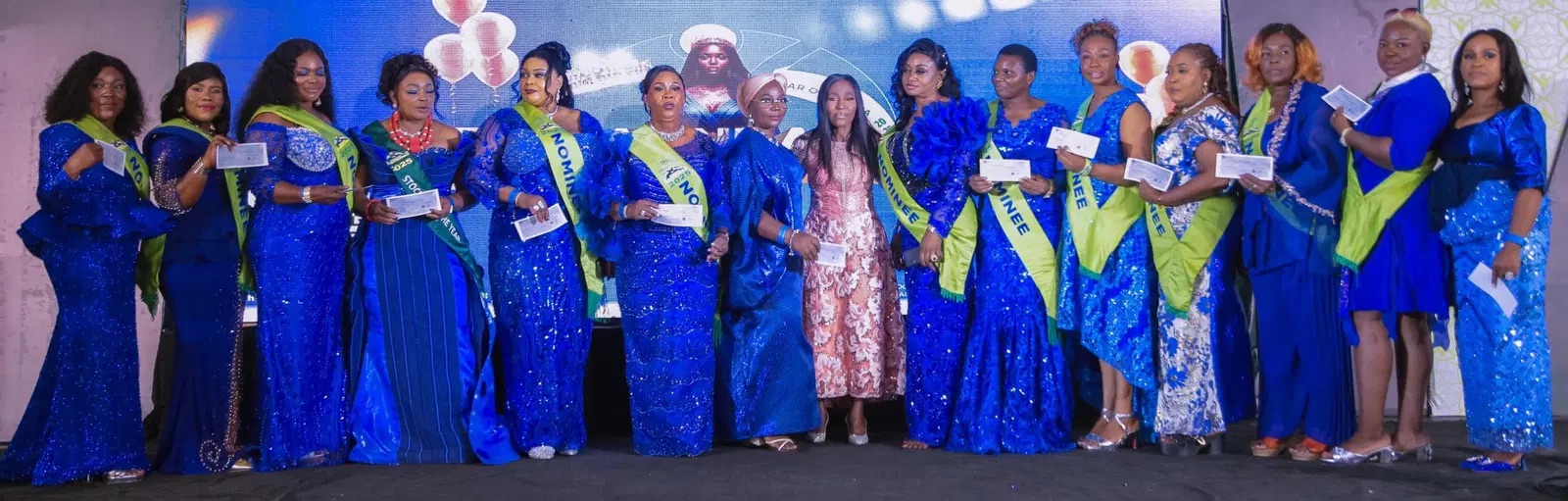
The company marked its sixth year of operations, reflecting on challenges including the COVID-19 lockdown, recessionary pressures and exchange rate instability. Nwarueze said the firm launched shortly before the pandemic and had to adjust its operations during the lockdown period.
“Today we are marking our 6th anniversary of Health Guard International and it is the glory of God that we survived all these storms ranging from COVID, recession, exchange rates and market setbacks,” she said.
Healthgarde operates a network marketing model and says it has between 6,000 and 7,000 consultants across its distribution network, the majority of whom are women. The company positions the structure as an alternative income channel in an economy it describes as largely driven by entrepreneurship.
Bassey said the firm designs its products and business model to suit local conditions rather than replicate foreign templates. “We make sure that whatever it is we offer, it is catered to Africans in Nigeria… Not a cut and paste for Europe or America, but that it fits what is happening in Africa and the African conditions,” she said.