Follow Us on Google
By Philip Nwosu
The GSMA has identified six African countries, including Democratic Republic of the Congo (DRC), Ethiopia, Nigeria, Rwanda, Tanzania and Uganda, for initial pilot programmes aimed at introducing affordable entry-level 4G smartphones in 2026.
The move follows the signing of a Memorandum of Understanding between the GSMA, the G6 group of leading African mobile operators and original equipment manufacturer (OEM) partners. The agreement formalises collaboration to bring low-cost 4G devices to market and convert industry commitments into measurable, on-the-ground impact.
The pilots build on minimum technical requirements for affordable 4G smartphones unveiled at MWC Kigali 2025 and are being coordinated under the GSMA Handset Affordability Coalition.
The coalition brings together mobile operators, OEMs, financing institutions and global partners, including the World Bank Group and the International Telecommunication Union (ITU), to lower smartphone costs and accelerate digital inclusion.
According to GSMA Director General Vivek Badrinath, affordable smartphones remain the gateway to digital and financial inclusion.
“Affordable smartphones are the gateway to digital and financial inclusion, economic opportunity and innovation. 3.1 billion people have mobile coverage but are not connected to the mobile internet,” Badrinath said.
However, rising global memory prices are making it difficult to achieve the targeted US$30–US$40 price range considered critical for mass adoption. The GSMA is therefore calling on governments to reduce or eliminate taxes and import duties on entry-level 4G smartphones to help offset manufacturing cost pressures. Africa remains home to one of the largest mobile internet usage gaps globally. Millions of people live within broadband coverage but remain offline, with handset affordability consistently identified as the primary barrier.
Other News
Industry analysts say scaling affordable 4G smartphones could connect tens of millions of Africans, expanding access to education, healthcare, financial services, e-commerce and AI-driven digital tools.
The affordability challenge also has implications for artificial intelligence development, as memory-intensive technologies are required for on-device AI, local language processing and digital innovation ecosystems.
Under the GSMA-led AI Language Models Initiative, described as “built in Africa, by Africa, for Africa” , stakeholders are advancing locally relevant AI systems.
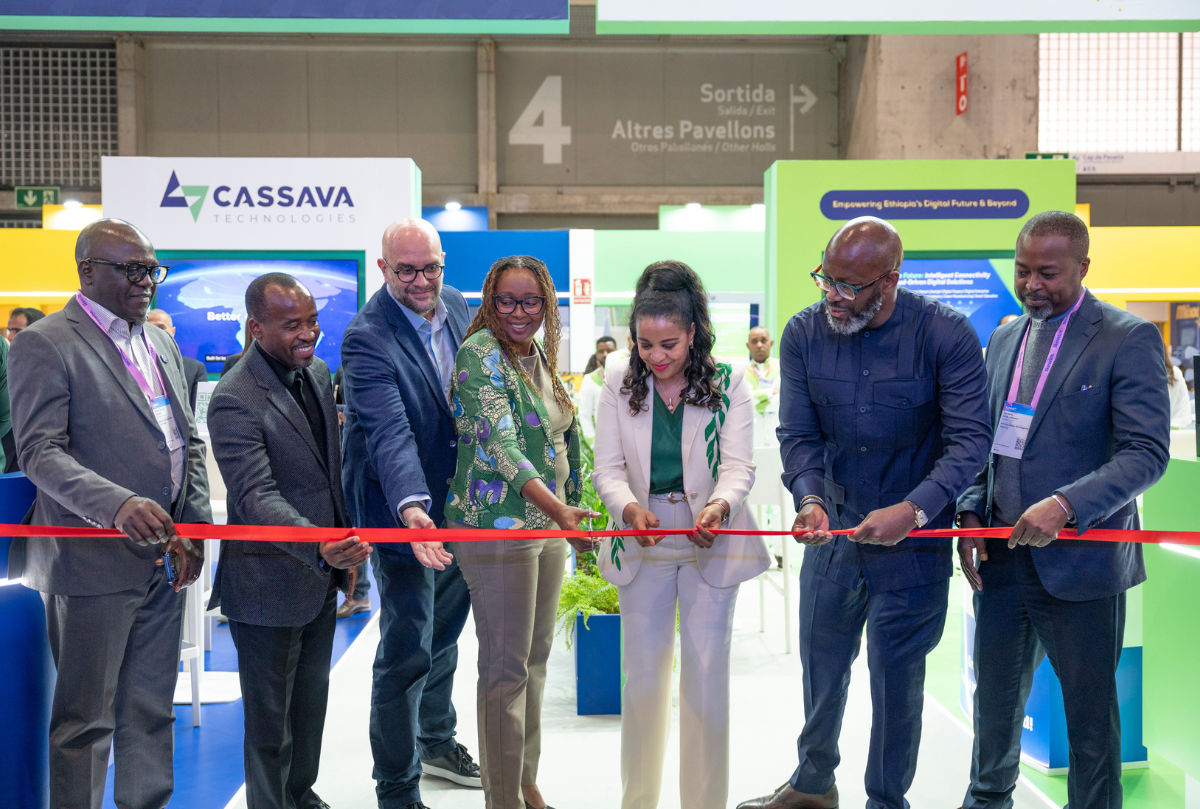
At MWC Barcelona 2026, the initiative will showcase the first open Swahili reasoning model developed in collaboration with MeetKai Zambia. Strategic partners including AMD and Cassava Technologies are also expanding computer access to support the ecosystem.
“AI has the power to amplify Africa’s voices, languages and innovation,” Badrinath added. “But without affordable devices and sustainable component pricing, its benefits risk remaining out of reach.”
With pilot markets now identified, the GSMA says public sector collaboration will be essential to ensure long-term impact and close the digital usage gap.
Industry leaders and policymakers are expected to reconvene at MWC Kigali 2026 from June 16–18, 2026, to assess progress on handset affordability, digital inclusion and locally driven AI innovation across the continent.