Follow Us on Google
By Ngozi Nwoke
The significance of a museum is to preserve cultural heritage, promote national identity, and foster unity, while showcasing traditional art, artifacts, and history, as well as educating, and inspiring the people.
It is for this purpose that the Centre for Research and Information Management and Media Development (CRIMMD) Museum has opened its doors to the public, promising to take visitors on a journey through the country’s rich and complex history.
Located in the heart of Lagos, the museum boasts an impressive collection of photographs, portraits, and artifacts that tell the story of Nigeria’s pre-colonial, colonial, and post-colonial history.
From the slave trade era to the present day, the museum’s exhibits showcase the country’s turbulent past, including relics of the slave trade, colonial-era artifacts, and memorabilia from Nigeria’s independence struggle.
Visitors can marvel at the impressive display of Nigerian currency, from shells and cowries to the modern naira, as well as a vast collection of postage stamps, including rare stamps from the Oil Rivers Protectorate and the Niger Coast Protectorate.
The museum also pays tribute to Nigeria’s rich cultural heritage, with exhibits on traditional music, dance, and art, as well as a section dedicated to the country’s film industry, featuring old Nollywood movies and memorabilia.
One of the museum’s standout features is its comprehensive collection of photographs and profiles of Nigeria’s leaders, from the country’s founding fathers to its current leaders.
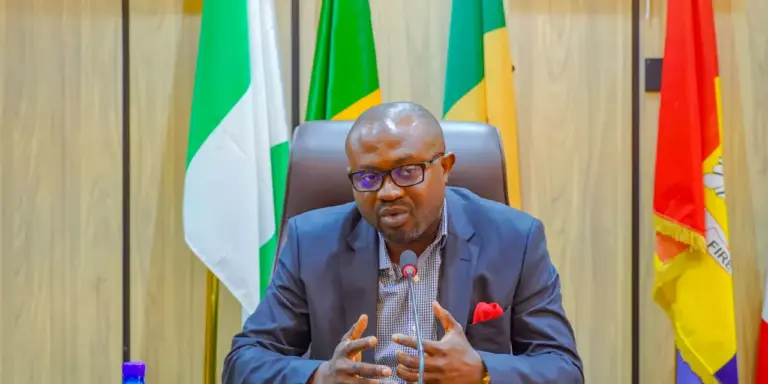
Director-General of the CRIMMD, Raphael James, said the museum was established to preserve Nigeria’s history and cultural heritage for future generations.
He revealed: “The CRIMMD Museum is not just a repository of artifacts; it’s a classroom for every learner. We want to inspire young Nigerians to take pride in their heritage and to learn from the triumphs and mistakes of the past.
“Besides the ‘Currency Museum of the Central Bank of Nigeria, the only other place you can visit, see, and feel all the currency used in Nigeria is at the CRIMMD Museum of Nigerian History.
Other News
“We have in stock a rich collection showing Nigeria’s currency evolution, from different sizes and shapes of shells to different sizes of cowries.”
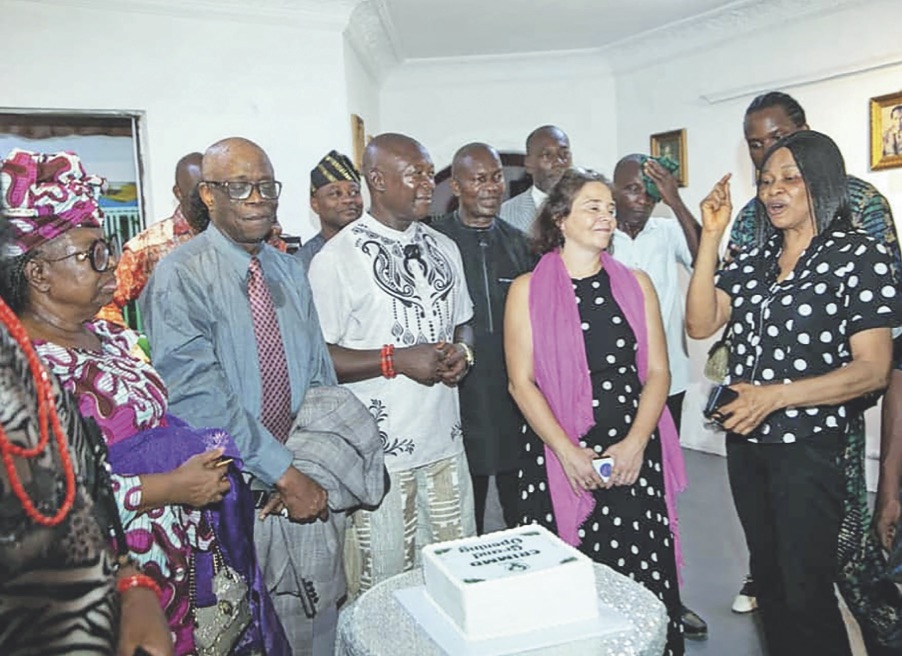
The museum’s opening was attended by dignitaries, including Chairman of the occasion, Professor Johnson Bade Falade, Programme Manager of the United Nations Habitat in Nigeria, who praised the initiative, saying it was a timely intervention in preserving Nigeria’s cultural identity.
He stated that the museum’s opening was not just the unveiling of a building or a collection, but an affirmation of Nigeria’s memory, identity, and shared human creativity.
He expressed gratitude to the German Embassy in Nigeria for their support and to German scholars and cultural institutions for their interest in Nigerian traditional and modern arts. He noted that this partnership showcased the power of culture to transcend borders, heal historical wounds, and foster intellectual solidarity.
He highlighted the contributions of German scholars such as Leo Frobenius and Hermann Baumann, who drew global attention to the sophistication of African civilisations and emphasised African cultural systems.
Falade said the museum was a timely intervention, affirming that Nigerian history, culture, arts, and music must be preserved, interpreted, and passed on to future generations. “Museums are not warehouses of the past; they are classrooms for the future,” he said.
He commended the Director-General of the museum for his outstanding contributions to Nigerian arts and literature, saying his work had helped bridge tradition and modernity.
He described the museum as a cultural space, a meeting point of generations, and a dialogue between Nigeria and the world. He congratulated the founders, curators, partners, and supporters of the museum, wishing it enduring relevance, scholarly excellence, and vibrant public engagement.
The museum is a private museum with a collection of over 35,000 photographs and numerous artifacts showcasing Nigeria’s history.
The museum has ten sections, including Nigeria Currency, Nigeria Postage/Philatelic, Nigeria Telecommunications, and Nigeria Electricity, among others.