Follow Us on Google
From Tony John, Port Harcourt
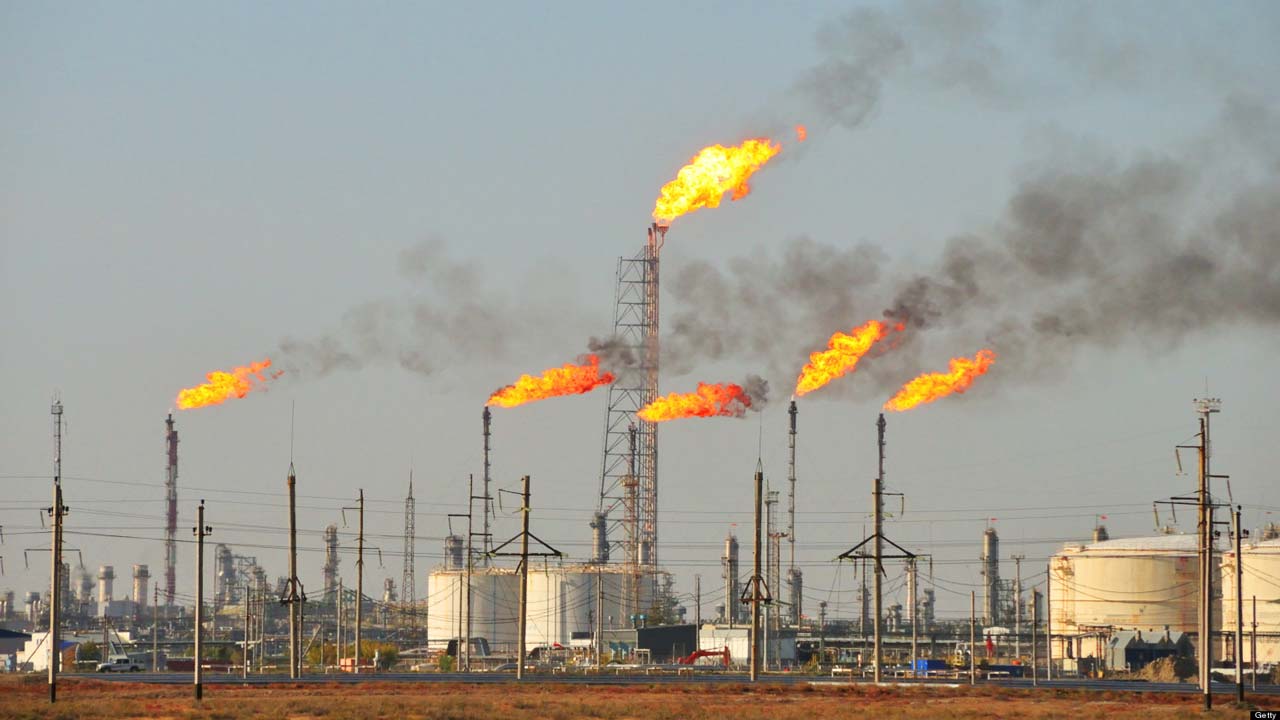
A group known as WeThe People has lamented that there are over 178 gas flaring points across the Niger Delta region, causing environmental pollution.
The group, an environmental justice organisation, explained that the reason oil companies deny responsibility for oil spills in the region is because they are avoiding payment of compensation for losses to livelihoods that the spills often cause.
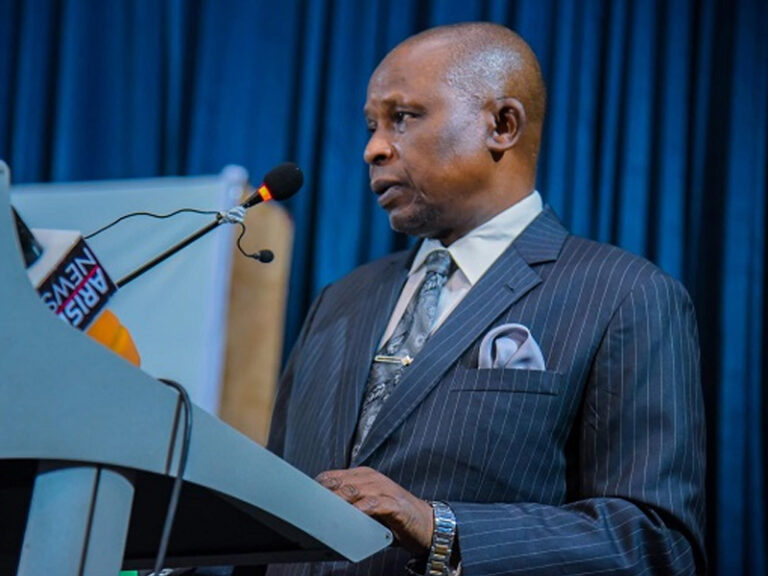
Leader of the body, Ken Henshaw, disclosed this during the maiden edition of the People’s Environmental Assembly organised by We the People, in Port Harcourt, Rivers State.
Henshaw said for over 60 years of the oil operations in Niger Delta, that Shell Petroleum Development Company (SPDC), Mobil and others have been held accountable for the atrocities they committed against the people of the region.
He noted that the oil companies have carried out campaigns against the same oil producing communities they have neglected, against that reports of spills caused on the host communities.
Other News
Henshaw in his speech titled, “7- Decades of Ecocide: Time to Unite Victims and Demand Justice”, stressed the over 178 gas flaring points across the region, noting that oil activities have worsened degradation of the environment and climate change.
Henshaw said: “The major reason oil companies deny responsibility for oil spills is to avoid paying compensation for losses to livelihoods that the spills often cause.
“When a spill occurs, the practice in Nigeria is to determine the cause through a joint investigation visit comprising of representatives of Nigeria’s regulatory authority, the responsible oil company, the state government and the community.
“If the spill is determined to be caused by equipment failure, the company will have to compensate for the losses and carry out clean-up activities. However, if the visit determines that the spill was caused by third party interference or sabotage, the company cleans the mess, but pays no compensation.
“Unfortunately, the joint investigation visits are terribly skewed against communities. Amnesty International questions the reliability of these investigations.”