Follow Us on Google
By Henry Uche
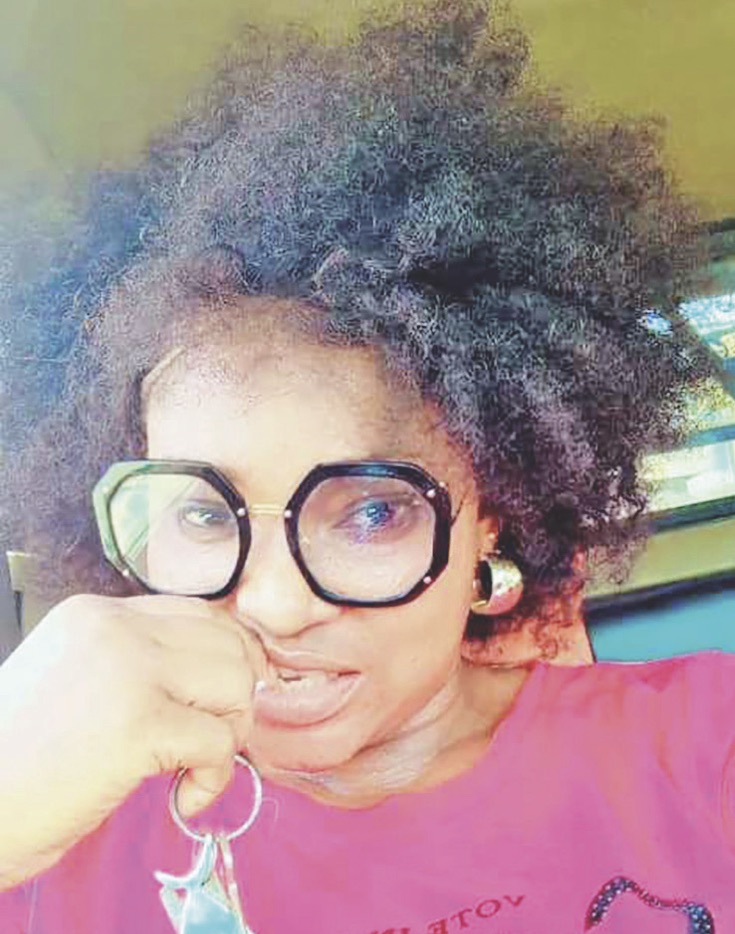
Mrs Nkemdirim Diala is a Lagos-based creative fashion designer. According to her, she aims to create timeless pieces that transcend trends, with design approach characterised by the innovative ability to infuse traditional Nigerian influences with contemporary aesthetics and grandeur.
With the fashion brand name, ‘Nkem Clean Stitches’, she features modern silhouettes, subtle prints, and unique details that add a touch of sophistication to each design and collections.
Her series of collections basically lies in personalisation, quality craftsmanship, and storytelling. Each piece, she said is thoughtfully created to reflect the wearer’s essence and heritage.
Diala, a self-motivated fashion designer, discovered she could make a headway in life in designing after someone in her church made her know that ‘making people look elegant’ could be her calling. As a widow and graduate of Linguistics, she nurtured her passion for fashion and honed her skills in pattern drafting and crafting. Despite the harsh economy, her creative spirit and exceptional dressmaking skills set her apart, fuelling her ambition to make a mark in the fashion industry.
What informed your choice of career in fashion designing?
After graduating from school, I sought for jobs in different places. It didn’t work, but then naturally I’m a fashionable person. My style of dressing is quite different from what is trending. A sister in my former church told me that I if I went into fashion designing, I would excel. So I gave it a deep thought, and told myself that I can do it, and I decided to toe the line of outfit making. So that same year, my brother did traditional wedding, I couldn’t send him a dime because I was totally dependent on my husband for money. So I decided to start up my fashion design outfit to make money for myself without depending on my husband for everything I needed. So, as a fashion lover, I followed my passion. Since I love looking smart and clean, I decided to venture into it for the public as suggested by a sister. So I can make others look not only smart but beautiful as a profession. Today, here I’m, doing it happily.
How long have you been in the profession, and how has it been?
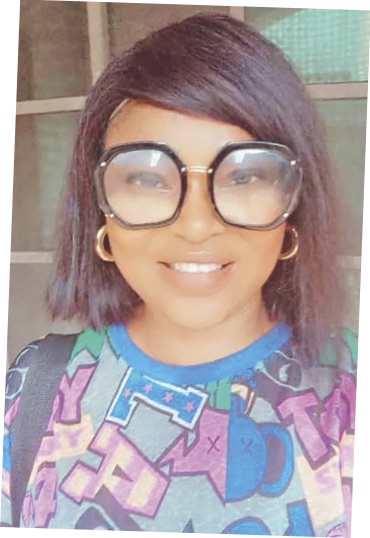
I have been in this business for 12 years. It has been helpful to me. If not for this skill, you can imagine what would have been my fate as a widow. I can’t even work for anyone again because I have my peace of mind as a self-employed woman. Self-employment is the best. God has been helping me. Despite the environmental and economic challenges, we are still pushing and not giving up.
How do you source for materials you work with?
Other News
Some materials are made here, some are imported. We use those made in Aba, Abia State, some from China. Even though those designated ‘Made in Aba’ or ‘Made in China’, we don’t know if they’re really made in Aba or China as described in the labels. But whichever, we use them to make something worthwhile. Both have their advantages.
What are the implications of the influx of foreign fabrics in the country?
There is no implication at all. Some people like foreign attire, while some strictly prefer locally-made outfits. So both have their target markets. Some have a blend of both. But as I said, both foreign and local fabrics have distinct markets. You know all fingers are not equal. And, note that foreign clothing doesn’t make our indigenous fabrics inferior. How does the choice of foreign fabric affect ours. Satisfaction, happiness and self contentment is not a function of what you put on, it’s not a function of what you wear on your body. It’s a psychological thing which is personal. There are rich men whose fashion style is locally rooted. Look around, you would see men and women alike, everyone with his unique and chosen style and preferences, based on so many factors. Some prefer local regalia in the spirit of promoting indigenous enterprise. Some in the spirit of preserving our ancestry heritage. Don’t you see how countries all over the world patronise their own brands? For me, I move with our indigenous make up. When we do cultural day events, don’t you see how fascinating we look? It’s ideal if we prioritise our own.
Young people no longer show interest in learning fashion design. What can you say about it?
Youth of this generation hardly want to learn handwork. Those we are even training now, those who managed to enrol in some skilled work, are not showing full interest. They are looking for easy money. Look at our internet, everyone is a content creator. Whether their content is edifying or not, whether it is for the growth and development of humanity or not, they don’t care. Whether it’s an eyesore or not, it doesn’t matter, all they want is the money. You can see all manner of despicable and immoral contents in the social media space. So, technology has taken over the psyche of this generation and redirected their focus and attention to get- rich-quick mentality. In the next 20 years, I don’t know what would become of our younger generation. I wonder what would be the fate of Nigeria in years to come, looking at the way and manner they are going. It would be alarmingly calamitous of what mankind would see.
How would fashion design contribute to the growth of the nation’s economy?
The fashion and beauty industry is full of potentialities. It contributes a lot to our gross domestic product (GDP). It creates jobs. The cloth is as indispensable as the food we eat and the shelter we need. If the Nigerian government would do what is expected of them for every sector to thrive, fashion designing would contribute hugely in our national economy. Look at China, they have a very large market for fabrics. Over there, their government support them. Here in Nigeria, how many fabric industries do we have. Does the economic environment even support us to produce for ourselves, talk more about exporting? Go to Aba, there are micro fabrics makers and producers. If you are told how much Nigerians spent in a year on importation of some raw materials for sewing, you would marvel. We have quite a good number of talented outfits makers, designers and other gifted entrepreneurs in the beauty industry, but we are impeded by scorching economic environment.
What are some of the challenges in the fashion industry?
One is dearth of machines for making different fabrics. We use one machine to do different fabrics, which is not supposed to be. Some of our machines use electricity, but do we have steady power supply, no. Where there are machines, they are very expensive. For instance, if I use my popular Singer machine to sew a particular fabric, it would spoil it because it wasn’t made for that fabric. The economy itself is a challenge because people are not opting for new outfits. Food and shelter must come first before they talk of clothes. Sometime people owe us for too long because the money is not there. So the economy has really affected us. For me, I retain my big customers. I ventured into making simple Ankara outfits for anyone to afford, so I sew and resell (ready to wear clothes), for low and average income earners, as my survival strategy, while we expect better days ahead.
Why do you make only female clothes?
Honestly, I wish I learned making both men and female outfits or just for men. I said so because, making men’s outfits is easier and less stressful than female ones. It’s even easier to make money from men’s works than women. All you need is good fabrics and machine. Honestly, if I have time, I will learn making men outfits, it pays more than making women’s clothing.