Follow Us on Google
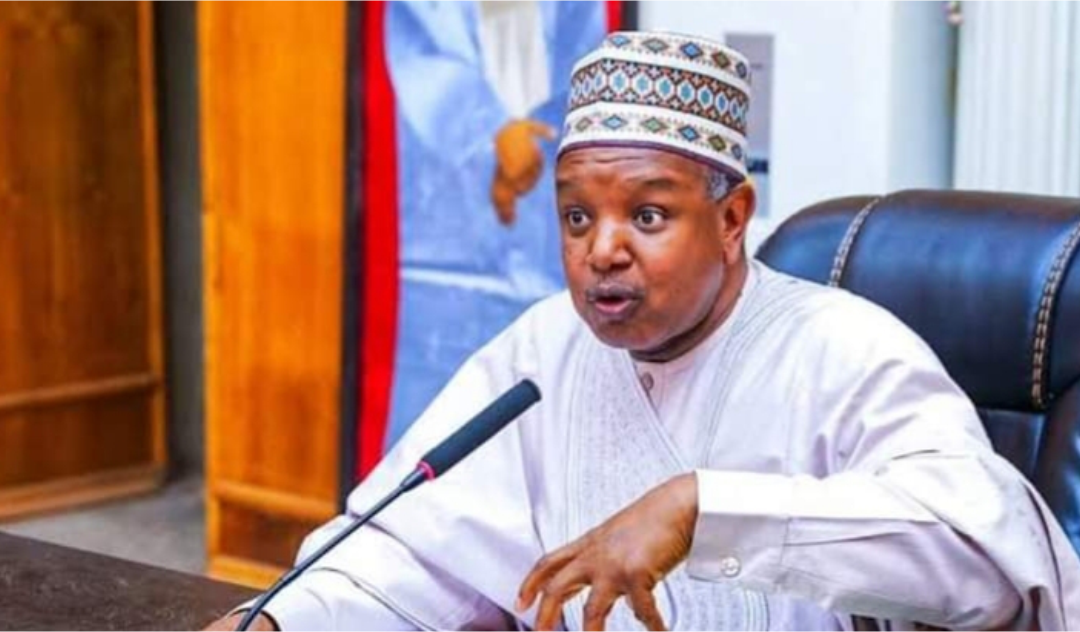
Nigeria’s Minister of Budget and Economic Planning, Abubakar Bagudu, has called for urgent reforms to expand youth access to land, warning that limited access remains a major barrier to unlocking the country’s vast agricultural potential.
Speaking at the national launch of the Youth Agribusiness Land Trust Fund (YALTF) in Abuja yesterday, the minister described the initiative as a strategic intervention aimed at breaking one of the toughest entry points for young Nigerians seeking opportunities in agriculture.
Bagudu said that despite Nigeria’s abundant arable land, structural challenges tied to land ownership, access and weak coordination continue to stifle productivity and discourage serious investment in the sector.
According to him, agriculture must be repositioned from subsistence activity to a modern, business-driven sector capable of generating jobs, driving innovation, and supporting economic growth. He pointed to global success stories such as the Netherlands, noting that agricultural productivity is less about land size and more about organisation, technology, and skills.
The minister stressed that addressing land access issues requires strong collaboration across federal, state, and local governments, given the complex nature of land administration in Nigeria.
He also linked the initiative to broader economic planning efforts, highlighting the Renewed Hope Ward-Based Development Programme as a tool for identifying land availability and local economic opportunities nationwide.
Bagudu, however, noted that public funding alone would be insufficient to transform agriculture at scale, urging the private sector to play a more active role in financing and developing agribusiness ventures.
He encouraged young Nigerians to explore opportunities across the agricultural value chain, including farming, livestock, fisheries, processing, and agritech, expressing confidence that structured support systems would enable them to become key drivers of food security and economic development.
Also speaking, Minister of Youth Development, Ayodele Olawande, said the new fund reflects the Federal Government’s shift from policy rhetoric to practical interventions aimed at empowering young people.
Other News
He argued that Nigeria’s youth are not lacking in talent or innovation but are constrained by limited access to land, funding, and institutional support.
Olawande said the YALTF was designed to bridge these gaps by providing not just land, but also training, mentorship, financing support, technology, and access to markets.
He explained that the idea for the programme emerged from field visits to youth development centres across the country, where large portions of idle land were identified as potential agribusiness hubs.
According to him, agriculture represents one of Nigeria’s biggest untapped opportunities for job creation and poverty reduction, especially as modern farming now spans processing, packaging, marketing, exports, and technology-driven services.
He added that the initiative aligns with President Bola Tinubu’s Renewed Hope Agenda, which places young people at the centre of Nigeria’s economic transformation.
Olawande emphasised that the success of the programme would depend on strong partnerships among government agencies, financial institutions, development partners, and private investors.
“Land alone is not enough,” he said, noting that access to capital, technical expertise, and market linkages will ultimately determine the viability of youth-led agribusiness ventures.
He described the launch of the YALTF as more than a ceremonial event, calling it a clear signal of the government’s commitment to building sustainable pathways for youth empowerment and long-term agricultural development across the country.