Follow Us on Google
They are tiny organisms that can cause disease; so small and sneaky they can creep into our bodies without being noticed. In fact, a microscope is needed to view them and when they get in our bodies, we don’t know what hit us until we have symptoms that say we have been attacked. They are germs.
Germs are found all over the world, in all kinds of places. The four major types include bacteria, viruses, fungi and protozoa which can invade plants, animals and people and sometimes cause sicknesses. Germs are spread through several means like the air in sneezes, sweat, saliva, blood, coughs or even breathe; from person to person by touching something that is contaminated but steering clear of things that can spread germs is the best way to protect oneself.
Germs commonly cause diseases such as common cold; flu; conjunctivitis (pink eye); diarrhea; bronchitis; food poison; sore throat; MRSA (staph infection); cold sores; boils; tuberculosis (TB); E-coli/salmonella and the list goes on and on.
It is no wonder that Smithkline Beecham makers of ‘Dettol’ range of products emphasize so much on germs, how we contact them and the need to keep ourselves and environment keep clean so as to get rid of germs to the barest minimum. But first, it is important we understand those places and objects in our environment where germs have made their (hub) ‘top spots’, ‘germiest’ before we can keep the environment clean. In one study, microbiologists discovered top germ spots in the home. Below is a list of these hot spots along with tips to help keep these areas germ free.
Bed sheets: We probably don’t think about it but as you are climbing into bed, all the germs you came into contact with that day are climbing in with you and worse of it is when we fail to take our bath before going to bed. The sweat, skin and bacteria that accumulate every night can make your bed the perfect spot for more harmful germs to breed. It is a good idea to change your sheets about once a week. Wash them in warm or hot water with a regular detergent. Bleach or a bleach alternative is also a good way to keep them sanitized.
Kitchen sponge/dish rag: This is the item most frequently used to clean dishes and countertops because they make it easy to wipe off spills and messes but also make it easy for bacteria and germs to grow. Sponges and dish rags stay wet long after they aren’t being used anymore, creating the perfect environment for budding microbes (bacteria) to flourish. To keep germ free, place a wet sponge in the microwave for two minutes once per day and replace it often- every two weeks or more as needed. Better options for kitchen cleaning are dishcloths, towels and rags. These items can be sanitized by washing on the clothes washer’s hot water cycle with bleach.
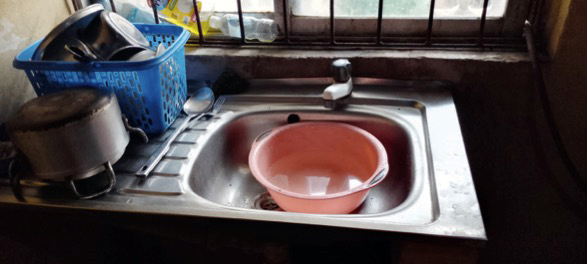
Kitchen sink is the second highest spot for concentration of microorganisms. When you think about all the dirt and uneaten food that go in there, then you should know why. Rinsing fruits, vegetables, meat, poultry and fish in the sink means that a lot of bacteria would accumulate in and around the drain. On top of that, we rinse pots, pans and pet bowls in the same place. When it all adds up, kitchen sinks are actually germier than toilet seats. Wash and disinfect the sides and bottom of the sink one of two times per week with a disinfecting cleaner. Sanitize kitchen drains and disposals monthly by pouring a solution of one teaspoon of household bleach in one quart of water down the drain. Wash kitchen sink strainers in the dishwasher weekly.
Toothbrushes/ toothbrush holder: Brushing transfers plaque, bacteria and more to your toothbrush. The brush holder, from time to time, will get deposits of these transfers. After each use, rinse the toothbrush thoroughly with tap water and severely flick off the water. Store upright to allow the toothbrush to air dry. Replace toothbrush every three months. If the dishwasher is safe, place the toothbrush holder in a sanitizing dishwasher and wash one of two times per week. If not, hand wash with hot soapy water, rinse, then wipe with disinfecting wipe, once or twice per week.
Pet bowl: If you have a pet in your home, you probably need to know that pet dishes are top spots for germs in the home. Pet dishes should be washed daily either in a sanitizing dishwasher or scrubbed by hand with hot soapy water, then rinsed. If hand washing, place the dishes in a 1:50 bleach rinse (1 cap bleach in 1 gallon water) and soak for about 10 minutes once per week. Rinse thoroughly and allow it to dry.
Shared phone: Many cleaners are safe to use on electronic devices. Unplug or turn off the phone, then spray a cloth with all-purpose cleaner and wipe down the phone. Thoroughly clean the mouthpiece, the germiest part. Use a cotton swab dipped in isopropyl alcohol to clean the number button and the spaces between them.
The remote control: Often used but rarely cleaned, this object can be full of germs, especially if you have kids. Dilute all-purpose cleaner or white vinegar in warm water, and then wet a soft cloth with the solution. Wipe the remote, and then dry with another soft cloth.
Makeup: Makeup applicators act like sponges and harbour germs that can lead to skin and eye infections. While you don’t need to dispose of your cosmetics completely, you can take steps to make using them more sanitary. Wash any applicators frequently with regular soap and water and wipe your brushes with alcohol. Don’t share your makeup with others – this is a sure-fire way to contract an infection or illness such as conjunctivitis (pink eye). Replace powders and eye shadows every two years, foundation every year and mascara every three months.
Faucet handles: Faucet handles in both the kitchen and bath contain coliform bacteria as well yeast and/or mold. Clean them daily with disinfecting cleaner or disinfecting wipes.
Pet toys: Pet toys are a source of coliform, bacteria, yeast and mold in many homes, including Staph bacteria. Wash hands after playing with the pet. Hard toys can be gently cleaned with hot soapy water, rinsed with fresh water, disinfected with a mild bleach solution, and then thoroughly rinse to remove any residue. Soft toys can be washed with other laundry on the hot water cycle. Wash monthly or more often as needed.
Purse: Studies have shown a woman’s purse cannot only play host to germs such as E-coli and salmonella, it could contain trace amounts of fecal contamination as well. These germs and bacteria definitely are brought into the home. Do not put it on the floor of any public place such as the train, public restroom. Wipe it down every day with an alcohol based sanitizer. Avoid using bacterial products since these can actually kill good bacteria and make bad bacteria more resilient to cleaning solutions.
The hands: Consider all the surfaces you touch over the course of the day. Then consider all the other people who have touched the same exact surfaces as well. Our hands are dirty bacteria transmitters. They are the common link in spreading germs. Wash your hands, front and back for 15-20 seconds with regular soap and running water.
Counter tops: Counter tops have coliform bacteria present; sources of which can be traced to many food items, including unwashed produce as well as raw meat and poultry. Surface of counter tops should be washed daily. Once all food prep activities have been completed, wash the surface with hot soapy water, rinse with clean water then apply a bleach/water solution. For specialty countertops, use the manufacturer’s recommended cleaning/sanitizing agents.
Stove knobs: Stove knobs are not one of the places that many of us consider, but they are really the top spots for germs to hide in homes. Remove knobs, wash in hot soapy water, rinse well, allow it to dry and then re-install. Do this once per week.
Cutting boards: These boards come into contact with many different foods. Make sure to wash the board thoroughly after each use and between food types. Place in the dishwasher after each use or hand wash with hot soapy water, rinse, then apply disinfecting agency such as a bleach/water solution.
Although not all germs may cause health problems, proper cleaning of neglected or overlooked areas can help further reduce the risk of food borne illness and infection. Be aware where the hot spots are in your home and be smart about protecting your family.