Follow Us on Google
- Pledges more vaccine support to Nigeria
From Fred Ezeh, Abuja
Gavi, the Vaccine Alliance, has commended the efforts of the Federal Government to improve maternal and child care in Nigeria by making necessary life-saving vaccines available at various Primary Health Care (PHC) centres across the country.
It said that such efforts would guarantee opportunities for the children to have access to vaccines that would assist them enjoy a healthy life, thus promising more support for Nigeria to enable it to improve access to new and underused vaccines for children in Nigeria.
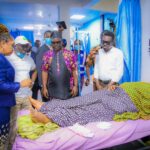
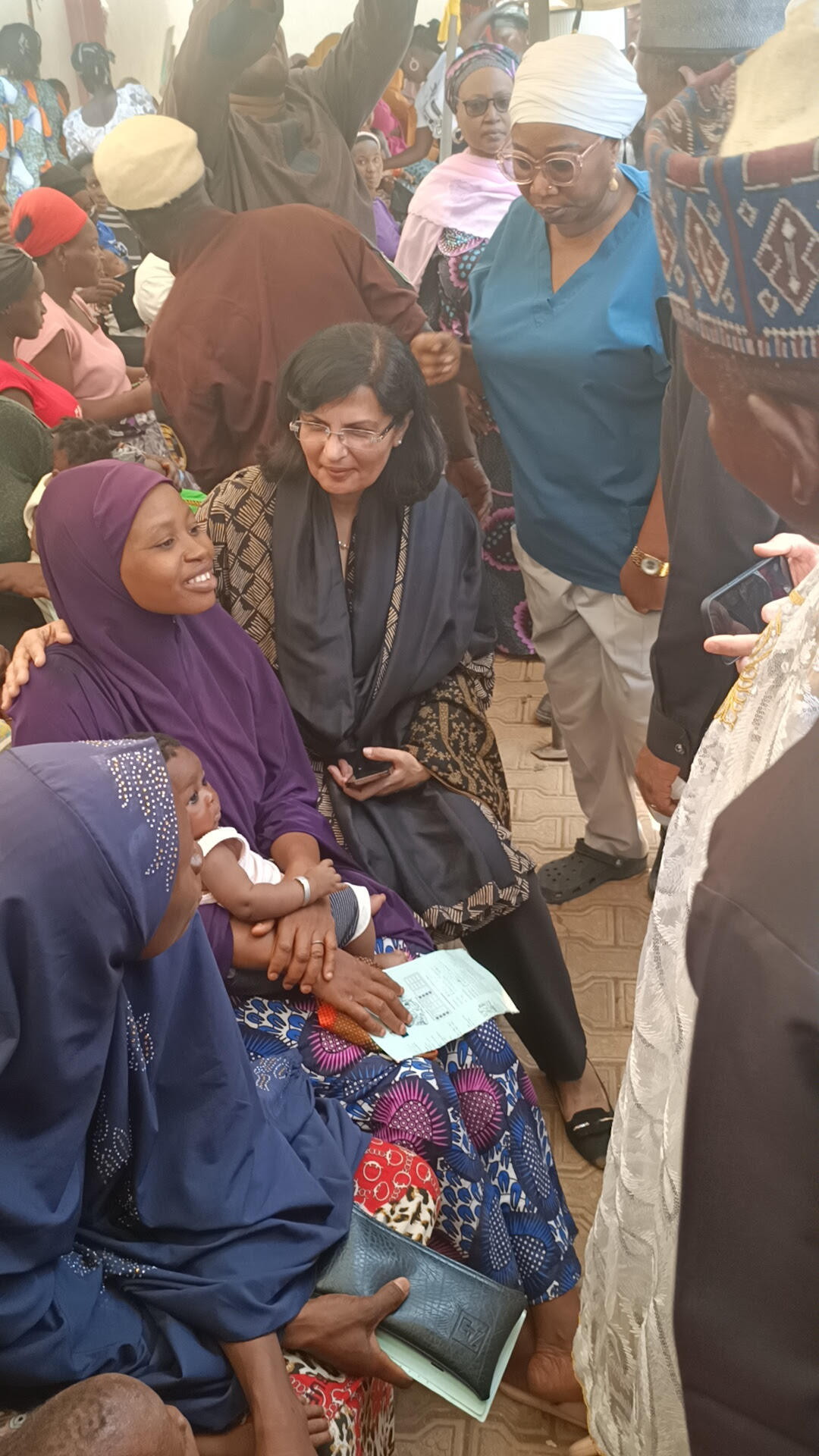
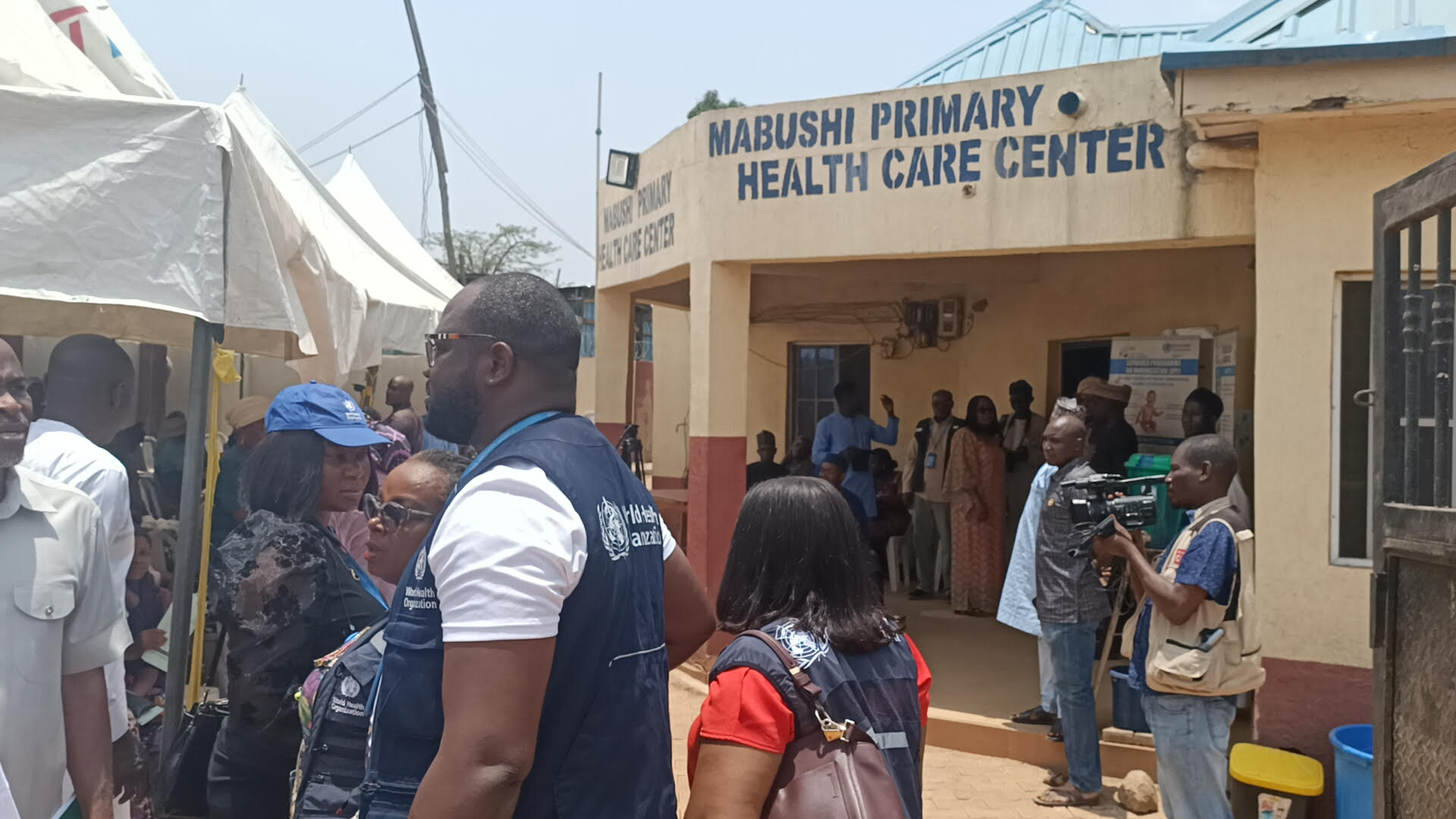
Dr Sania Nishtar, the Chief Executive Officer of Gavi, gave the assurance in Abuja, at the weekend, when she took a familiarization tour of a PHC in Mabushi, Abuja, along with officials of the Federal Ministry of Health, World Health Organization (WHO), National Primary Health Care Development Agency (NPHCDA) and others, where she interacted with pregnant women and nursing mothers on their experiences at PHC.
She stressed the importance of vaccines to the health of children, encouraging mothers to always present the children at the PHCs for necessary routine immunizations that would strengthen the immune system of the babies, thereby guaranteeing their healthy living.
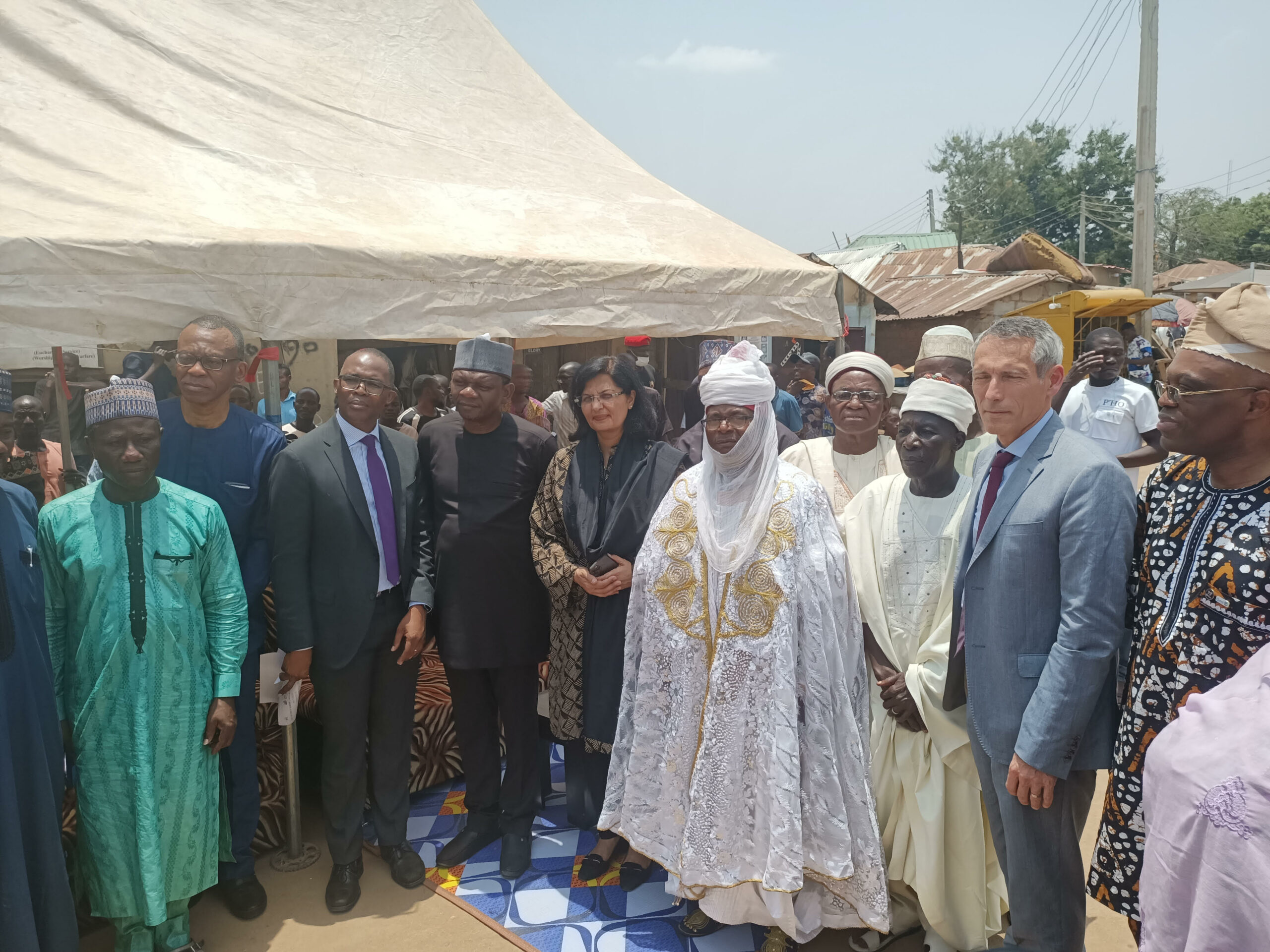
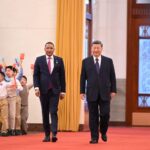
She said: “We are deeply committed to providing vaccines to the world, but the efforts have to be country-led. We are happy that the President, Ahmed Bola Tinubu, is someone that is committed to that project. In my meeting with him a few days ago, he highlighted some of the steps being taken to improve the availability of vaccines in Nigeria, to the point of local production.
“But in achieving the dream of local manufacturing of vaccines, there will be a need for the right institutions, manpower, political will and policies. Our role in Gavi is to ensure that vaccine production becomes affordable without compromise as regards the quality within the African country.
“We have initiated a programme called ‘African Vaccine Manufacturing Accelerator’ which has enjoyed an advanced financial commitment to the tune of $1bn. This is a great move, and I assure you that there are better days ahead as regards access to quality and affordable vaccines for a healthy population.”
NPHCDA Executive Director, Dr. Muyiwa Aina, maintained that issues of vaccine-preventable diseases has remained a top priority for the Federal Government, hence the unending investments and efforts in vaccine procurement and administration.
“Our routine immunization coverage is obviously getting better kudos to all partners and field workers, but there’s room for improvement. So, the government is using every available opportunity to ensure and strengthen the system for a better service to the people.
“Part of that is having access to the vaccines and the systems that allow for safe delivery of the vaccine, and that’s where the partnership with Gavi comes into play. Gavi, undoubtedly, has been a long-time partner of the Nigerian government. They have been supporting us in terms of procurement of the vaccine, though not for free, but they have been subsidizing the consignments for us.”
He said that another key challenge is the distribution of the vaccine, stressing that the government is using different strategies to reach out to unvaccinated children at different locations in Nigeria. “Unfortunately, there are zero dose communities in Nigeria where it was discovered that some children there never received immunization. So, we target these locations, identify the children, and ensure we effect the necessary corrections.”
World Health Organization (WHO) Country Representative, Dr Walter Mulombo, who was part of the visit said the WHO is impressed with what it saw at the Mabushi PHC in Abuja, as well as the impressive patronage by nursing mothers.
He said: “I saw things myself and I am impressed. WHO is part of the Gavi Alliance. Our commitment is to support the NPHCDA to accelerate routine immunization coverage to the level that can protect Nigerian children, and by extension, the next generation against epidemic and other vaccine-preventable diseases.
“However, health is not achieved in isolation. There are social, environmental, economic and other factors that could determine the quality of the health of the people. WHO might not be at the forefront, but will support country-led efforts towards the improvement of health care of the people.”