Follow Us on Google
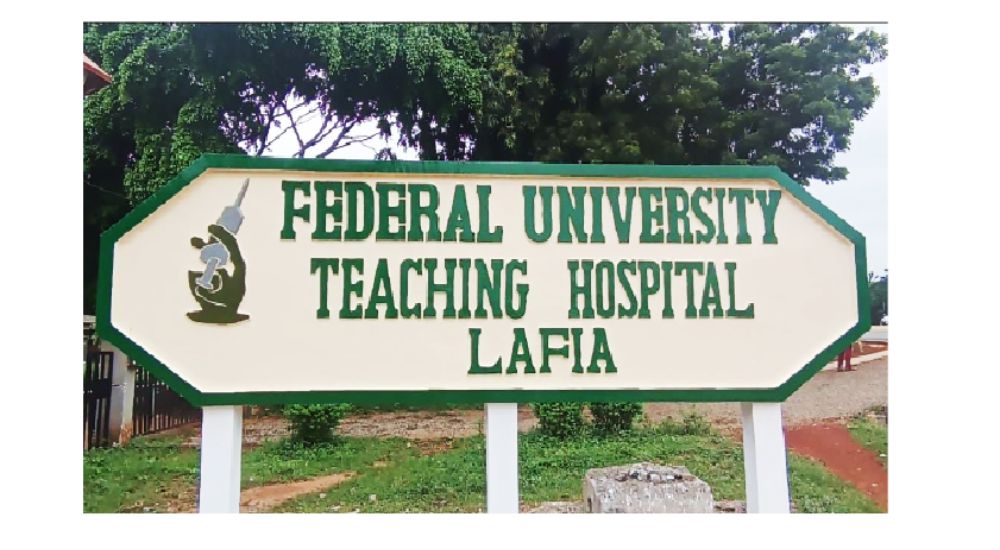
From Abel Leonard, Lafia
The Federal University Teaching Hospital (FUTH), Lafia, has intensified efforts towards strengthening medical research as part of measures to improve healthcare outcomes and service delivery in Nasarawa State and across the country.
The Chief Medical Director of the hospital, Dr. Ikrama Hassan, disclosed this during the hospital’s maiden 2026 Scientific Conference held in Lafia on Wednesday.
Dr. Hassan said the institution was committed to generating local medical evidence capable of addressing the unique health challenges of Nigerians and Africans, noting that most treatment guidelines currently used on the continent are based on studies conducted in non-African populations.
According to him, there is an urgent need for African countries to invest in research that reflects their environment, genetic makeup and healthcare realities.
“For us to develop, we need to begin our own research and use that research to develop cures and treatment for our own people. Our intention in this hospital is to be at the forefront in building our own research, and this is what we are trying to do today,” he said.
The CMD explained that the hospital’s core mandates include service delivery, training of healthcare professionals and research, stressing that research remains critical to advancing healthcare standards.
He noted that Nigeria’s healthcare system largely depends on findings generated in foreign countries where living conditions, psychology and environmental factors differ significantly from those in Africa.
“The healthcare system in the country currently uses research outcomes done in foreign countries using foreigners, whose conditions of living, human psychology and environments are different from those in Africa and Nigeria.
Probably, that is the reason why some of the drugs and treatments have side effects and are not yielding the required outcomes,” he stated.
Dr. Hassan said the hospital aims to generate its own data and apply the findings in clinical practice to achieve better treatment outcomes.
“We want to invest in serious research locally using researchers within the hospital for homegrown medical evidence that takes into consideration our environment, makeup and psychology for better outcomes,” he added.
Other News
He further disclosed that the teaching hospital was steadily improving its clinical capacity and expertise to compete favourably with other leading teaching hospitals in the country.
“In terms of expertise, we can stand shoulder to shoulder with any teaching hospital in the specialties that we have here. This translates to the kind of training we provide for trainees who come here,” he said.
The CMD expressed confidence that the institution would soon emerge as a leading centre for research and development in Nigeria.
“Very soon, we are going to have the FUTH National Scientific Conference and the International Scientific Conference,” he announced.
He also charged members of the local organising committee to ensure that papers presented during the conference are properly documented and published for wider academic and clinical use.
Speaking at the event, the Director of the Centre for Vaccine Research and Biotechnology, Prof. Mustapha Umar Imam, highlighted what he described as the “African research gap.”
According to him, Africa bears about 25 per cent of the global disease burden but contributes only 3.9 per cent of global randomised clinical trials.
“African patients have distinct genetic profiles, disease presentations, co-morbidity patterns and healthcare access realities. Guidelines developed in Europe or North America may not apply. You must validate them locally,” he said.
Prof. Imam added that locally generated evidence would foster the development of healthcare protocols that are better suited to African realities and more likely to be adopted and sustained.
“Locally generated evidence creates locally owned protocols, which are far more likely to be implemented and sustained,” he said.
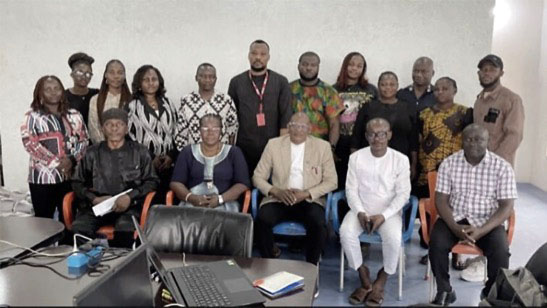
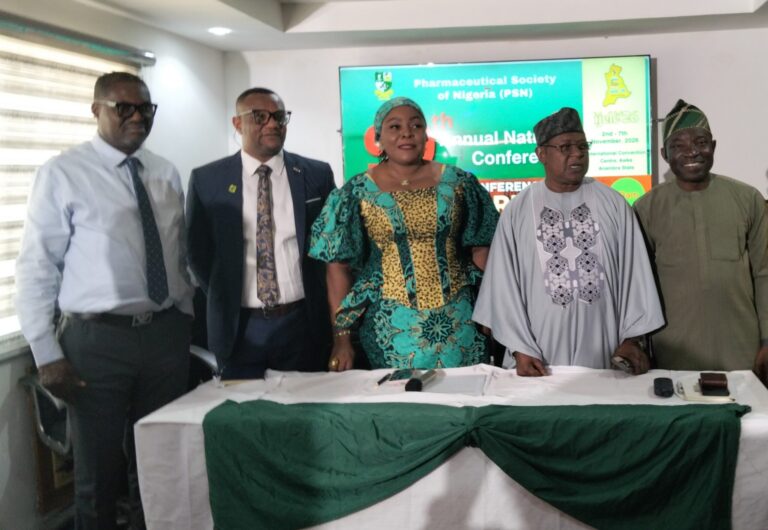
The conference brought together healthcare professionals, researchers and academics who deliberated on strategies for strengthening indigenous medical research and improving healthcare delivery through evidence-based practices.