Follow Us on Google
•Says N15trn savings strengthened federal, state, LG finances
From Romanus Ugwu, Abuja
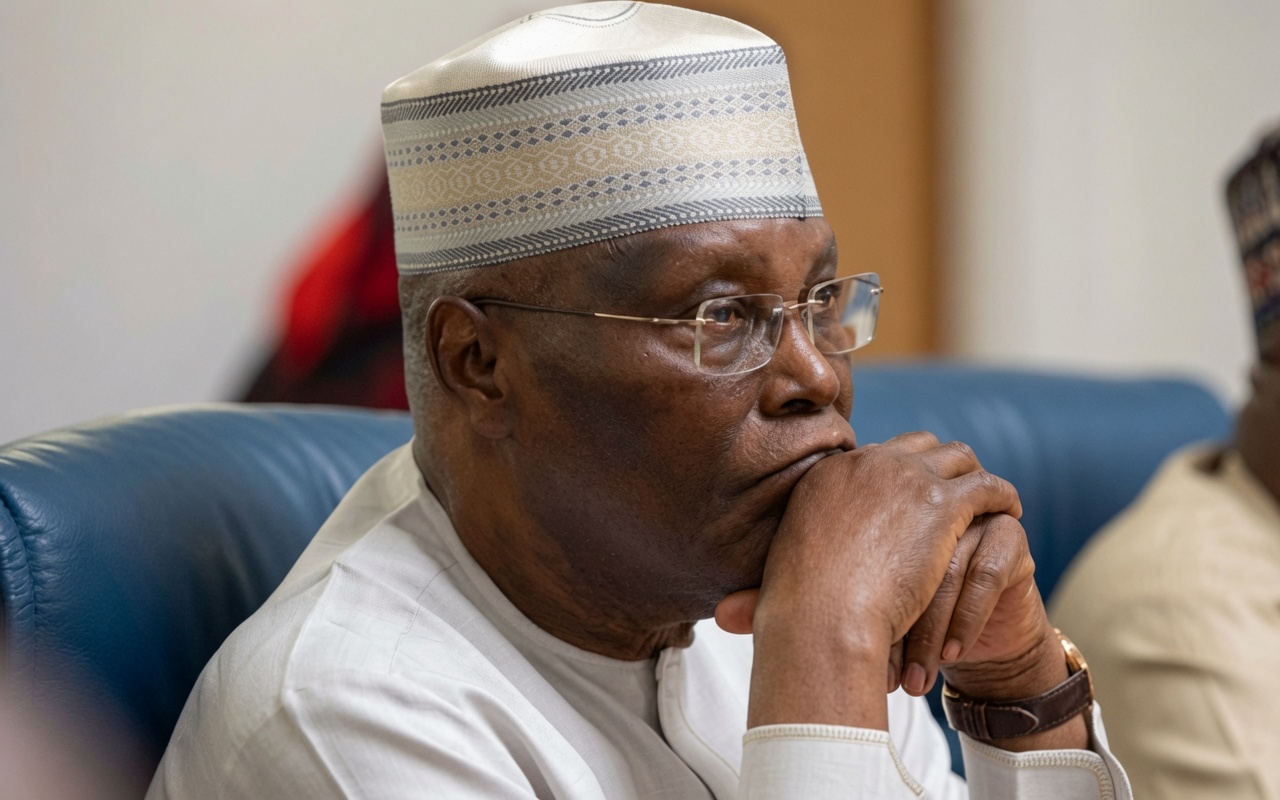
Former Bauchi State governor, Isa Yuguda, has faulted former Vice President Atiku Abubakar’s proposal to restore petrol subsidy if elected in 2027, warning that returning to the policy could reverse fiscal gains and recreate the leakages and fraud associated with the old regime.
Yuguda said more than N15 trillion reportedly realised from the subsidy reform had strengthened the capacity of the federal, state and local governments to address critical national priorities.
Speaking at the second edition of a policy roundtable in Abuja on Tuesday, Yuguda, Chairman of the Board of Trustees of the APC Professionals Forum, said Atiku’s proposal might appeal to Nigerians seeking immediate relief from economic hardship but must be weighed against the country’s experience with the subsidy regime.
Atiku, presidential candidate of the African Democratic Congress (ADC), had recently pledged to restore petrol subsidy if elected in 2027, arguing that its removal by President Bola Tinubu had inflicted severe hardship on Nigerians without corresponding improvements in their living conditions.
He subsequently clarified that he was proposing a targeted subsidy to shield Nigerians from high petrol prices rather than simply reinstating the previous blanket subsidy regime.
The former vice president has also challenged the Federal Government to account for the additional revenues generated following subsidy removal, questioning whether the resources had translated into improvements in security, education, infrastructure and employment.
Atiku’s position represents a shift from his stance ahead of the 2023 presidential election when, as candidate of the Peoples Democratic Party (PDP), he advocated the removal of fuel subsidy.
Responding to the proposal, Yuguda said: “As we approach the 2027 election, Nigerians must carefully evaluate political promises, particularly those relating to the return of fuel subsidy.
“The proposal by former Vice President Atiku to restore subsidy may appear attractive to citizens seeking immediate relief, but it must be examined against our national experience.”
Yuguda, who said he chaired the Fuel Subsidy Task Force in 2009, argued that investigations into the subsidy regime uncovered serious irregularities, fraudulent practices and financial leakages that placed a huge burden on the economy.
“To understand this decision, Nigerians must appreciate its historical context. As Chairman of the Fuel Subsidy Task Force in 2009, I led a committee that examined the subsidy regime and uncovered serious irregularities, fraudulent practices and financial leakages that placed a huge burden on the Nigerian economy.
“The subsidy system had become inefficient and consumed enormous public resources that could have been invested in education, security, agriculture, healthcare, infrastructure and other productive sectors,” he said.
Other News
According to Yuguda, Tinubu demonstrated political courage by implementing a reform that previous administrations acknowledged was necessary but could not fully execute.
“The additional fiscal space created by the subsidy reform has strengthened the capacity of the federal, state and local governments to address critical national priorities, with over N15 trillion reportedly saved following the removal of fuel subsidy,” he said.
The Federal Government had recently put the additional resources generated from subsidy removal and exchange-rate reforms at about N15.8 trillion between June 2023 and December 2025, with the increased revenues distributed among the three tiers of government.
Yuguda argued that returning to the old subsidy arrangement without explaining how its weaknesses would be addressed could amount to pursuing short-term political advantage at the expense of sustainable public finance.
“The old subsidy regime was associated with massive leakages, fraudulent claims, inefficiency and a significant drain on public finances.
“Presenting a return to that system without clearly addressing these problems risks misleading Nigerians for short-term political gain and could reverse the fiscal space now supporting critical national investments,” he said.
Yuguda maintained that the additional resources available to governments were being channelled into education, security, agriculture and other sectors.
He cited the Nigerian Education Loan Fund (NELFUND), increased funding for security and investment in military equipment, as well as interventions in agriculture, mechanisation and food production, among initiatives benefiting from improved government finances.
The former governor, however, acknowledged that Nigeria continued to face serious security challenges arising partly from instability in neighbouring countries, porous borders and the cross-border movement of armed groups and criminal networks.
He urged the Federal Government to strengthen border security, intelligence gathering, regional security cooperation, surveillance capabilities and the operational capacity of security agencies.
Yuguda also said reforms in revenue generation, fiscal management, economic diversification and investment were necessary to build a stronger and more resilient economy.
“Every Nigerian has the democratic right to present alternative policies, but economic choices must be guided by facts, experience, sustainability and the long-term interest of the country.
“Having chaired the 2009 Fuel Subsidy Task Force and witnessed the weaknesses of that system firsthand, I believe Nigerians deserve an honest conversation about what subsidy truly cost the nation and what can now be achieved when those resources are directed towards education, security, agriculture, infrastructure and other areas that improve citizens’ lives,” he said.