Follow Us on Google
• Brent crude hits $108/barrel
By Uche Usim
Fuel prices in Nigeria may rise further as the global oil market faces one of its most serious supply shocks in decades, following the escalating war between the United States and Iran.
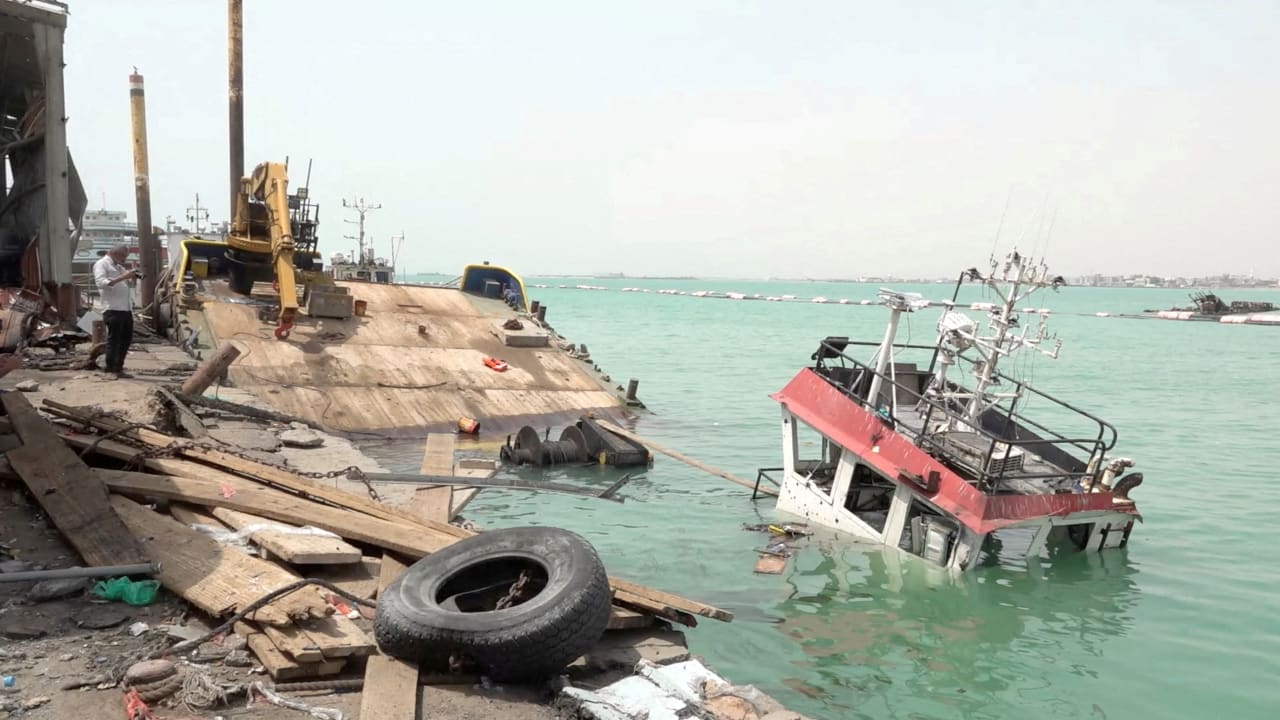
This has disrupted crude shipments, while attacks on Saudi Arabia’s oil infrastructure by Iran-backed Houthis have opened a new front in an already fragile energy market.
Should the escalation result in higher crude prices, Nigeria as an importer of refined products will feel the heat.
Already, petrol prices have climbed to N1,500/litre in some parts of the country, with Lagos being the cheapest at N1,395/litre on the average.
Cries from businesses and households crescendoed this week when pump prices of petrol were jacked up with no hope of an imminent fall.
For consumers around the world, the consequences are already becoming visible.
Higher crude prices feed into the cost of petrol, diesel, aviation fuel, transportation and industrial production.
Diesel is particularly important because it powers trucks, generators, agricultural machinery and other equipment across many economies.
Brent crude, the international benchmark, climbed above $108 a barrel yesterday after Saudi Arabia suspended operations on its strategic East-West Pipeline following attacks in the Riyadh and Madinah regions.
The pipeline is a critical alternative route for Saudi crude, particularly at a time when shipments through the Strait of Hormuz have been severely disrupted by the conflict. Although prices eased slightly yesterday after new data showed an unexpected rise in United States crude inventories, the retreat did little to remove the underlying supply concerns. Brent, which Nigeria’s crude is benchmarked on, gained more than $3 in the previous session.
According to experts, Nigeria, as a major crude oil producer, stands to receive higher export earnings when international oil prices rise, provided production and export volumes are maintained.
Higher prices could strengthen government oil revenues and foreign-exchange inflows. But the benefits, experts note, are not automatic.
The country also imports refined petroleum products and remains exposed to international energy prices through the wider economy.
Higher crude prices can, therefore, improve government revenue while simultaneously increasing costs for businesses and households.
The impact will also depend on domestic crude production, refinery output, exchange-rate movements and the volume of oil Nigeria actually exports.
Reuters reported that Saudi Arabia had been rerouting roughly four million barrels per day through the pipeline, equivalent to about four per cent of global oil supply. The closure therefore immediately raised concerns among traders about how much crude could continue reaching international markets if the disruption persists.
The crisis has also affected Saudi Arabia’s Yanbu export hub.
Oil loadings at Yanbu were suspended following the attack, while Saudi Arabia reduced shipments to Europe. The development sent physical crude prices sharply higher as refiners competed for alternative supplies.
That is where the current oil crisis differs from an ordinary price rally.
The market is not reacting to one isolated disruption. Several important links in the global oil supply chain are being threatened at the same time.
The Strait of Hormuz, one of the world’s most important oil chokepoints, has experienced a dramatic reduction in traffic since the war began.
Before the conflict, more than 20 million barrels of oil and petroleum products passed through the strait each day, representing more than one-fifth of global oil consumption.
With shipping through the waterway heavily disrupted, Saudi Arabia had increasingly turned to its East-West Pipeline as a way of keeping exports moving.
That alternative has now been hit.
The Red Sea route is also under pressure. Iran-aligned Houthi forces in Yemen have intensified attacks around the Red Sea and the Bab el-Mandeb, another strategic maritime passage connecting the Red Sea to the Gulf of Aden.
The result is a complicated squeeze on global energy supplies: the traditional route through the Strait of Hormuz is severely disrupted, while an important Saudi alternative through the Red Sea is also facing attacks.
The longer this situation continues, the greater the pressure on oil inventories and alternative suppliers.
The International Energy Agency has previously warned that prolonged disruption to Middle Eastern supplies could create a significant global shortfall. The present crisis has, therefore, raised questions about how long strategic stockpiles and alternative routes can cushion the market.
For countries that import large quantities of petroleum products, a prolonged period of crude prices above $100 could therefore translate into renewed inflationary pressure.
For the global economy, the biggest danger is not simply that Brent has crossed $100.
It is that a prolonged conflict could remove more barrels from the market at a time when alternative supply routes are themselves becoming vulnerable.
Yesterday’s fall in crude prices following the unexpected 7.1 million-barrel increase in US crude inventories provided temporary relief. Saudi Arabia has also begun offering additional crude shipments through Oman’s Sohar port, helping to ease immediate fears of a complete supply squeeze. But the fundamental risk remains.
If attacks continue to hit Saudi infrastructure, shipping through the Strait of Hormuz remains restricted and Red Sea routes become increasingly unsafe, the world’s oil market could face a prolonged supply squeeze.
That would make the Middle East conflict not just a geopolitical crisis, but a global economic problem with the price of every barrel increasingly determined by the safety of the roads, pipelines and seas through which it must travel.