Follow Us on Google
By Adewale Sanyaolu
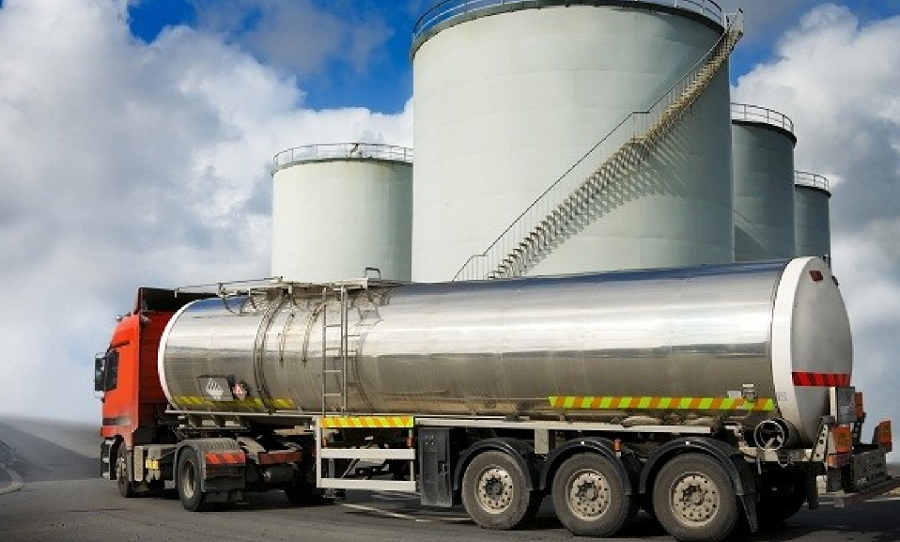
For failing to fix its ailing 445,000 barrels per day refineries located in Port Harcourt, Kaduna and Warri, Nigeria is losing about $2000 ber barrel of oil imported into the country, according to Major Oil Marketers Association of Nigeria (MOMAN) .
MOMAN Chairman, Mr. Olumide Adeosun, stated this during a live interview monitored on Channels Television Sunrise Daily, yesterday.
In 2016, the Nigerian National Petroleum Company (NNPC) Limited, established the Direct Sale Direct Purchase(DSDP) programme also known as crude swap.
Under the DSDP programme, NNPC provides crude oil under a Free on Board (FOB) basis to a supplier while the supplier in return provides petroleum products to the NNPC at a designated port in Nigeria. The products supplied are equivalent of crude oil received by the supplier.
‘’It is criminal what has happened. If we are to sell a barrel of oil at $71 viz a viz fully extracting and exploiting the full value locally, that same $71 barrel of oil will give the country $2000 in terms of value.
What we must do is to get those local refineries back on stream. I know there is a lot of work going on in the background. We are praying and hoping that those refineries come on stream so that we can get other sources of fuel and its by products. We also hope that the Dangote refinery come on stream soonest for the sake of Nigerians,”.
Adeosun said other crude oil product derivatives which included; AGO, DPK, Jet A1,LFPO among others were lost as a result of our dependence on imports.
He worried that the inability of our local refineries to function has led to losses of these other product derivatives.
He said Nigeria must take steps to ensure that its refineries come on stream in other to stop the continued revenue loss.
On petrol consumption and subsidy, Adeosun said it is a fact that Nigeria’s subsidized fuel has found its way across the borders, adding that this has led to higher fuel consumption figures than they ought to have been.
He said this development has led to issues around demand and supply of petroleum products at petrol stations because there are a lot demand that are not being met.
The MOMAN boss noted that while NNPC will continue to ensure that it keeps in it reserves product backup that can last for as long as 30 days at any particular point in time, marketers on the other hand will be doing what the private sector does in any free market through healthy competition which he said will ultimately benefit the consumers.
He explained that are certain elements that makes up the cost of fuel at the pumps, saying some are fixed while some are completely out of Nigeria’s control.
The fixed cost includes taxes and levies, jetty cost prorated by volume. Those out of control are floating or index price which is dictated by demand and supply variables, the crisis between Ukraine and Russia which has led to skyrocketing price of oil and its derivatives, cost of vessel and foreign exchange,’’.