Follow Us on Google
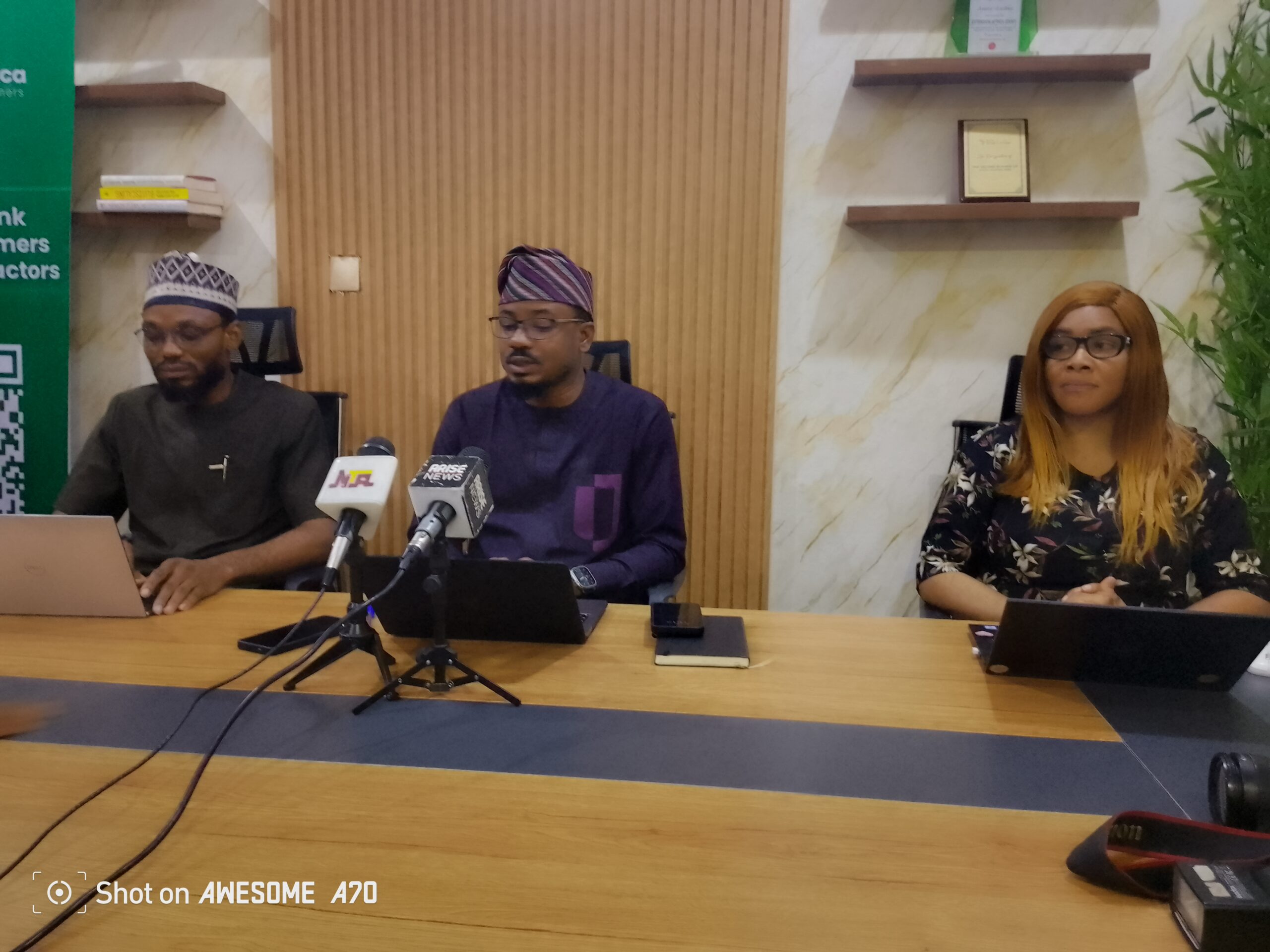
From Okwe Obi, Abuja
The Managing Director of Extension Africa, Tajudeen Yahaya, has attributed shortage of extension workers to poor farm yield.
Yahaya, who addressed journalists yesterday in Abuja, argued that Food and Agriculture Organisation (FAO) recommendation of 1 extension worker to 800 farmers was tedious for them to assist farmers .
He proposed 1 extension worker to at least 200 farmers, with the reason that it would help the agent to understand the plights of farmers and solve the challenges as early as possible.
He said: “Our own approach is 1 agent to 200 farmers. We have been able to explore to know that if you build one agent to 200 farmers, it can be sustainable.
“Historically, agricultural extension services have been pivotal in connecting farmers with essential knowledge and technologies that improve agricultural productivity.
“However, traditional extension methods have often struggled to keep pace with the rapidly changing agricultural landscape and the growing needs of farmers and agribusiness.
“The major problem identified with the public extension system can be categorized in 3;Availability of quality extension workers in rural farming communities (1 agent: 10,000 farmers).
“Reliability of these extension workers to deliver quality services to farmers Sustainability: No established commercial system to keep the extension worker running.
“We have seen the critical role public-private partnerships have played in the transformation we see in the agricultural industry. Collaborations between governments, NGOs, and private sector players have extended the reach of extension services to some of the most remote and underserved farming communities.
“A notable example is the partnership between the Alliance for a Green Revolution in Africa (AGRA) and several African governments, which has successfully trained over 15,000 extension workers, benefiting more than 8 million farmers.”
On his part, the Chief Operating Officer, Isah Abdulsamad, announced the launch of an app to assist farmers.
“We are redefining how we connect with farmers. For instance, with partnerships, our mobile platforms are now delivering real-time weather forecasts, pest and disease alerts, and tailored agronomic advice to over 400,000 farmers sustainably.
“In countries like Kenya and Nigeria, digital advisory services are improving crop yields by as much as 30% in some areas.
“Our training focuses on good agricultural practices on technical issues. If we really want extension to work, we will have to adopt good practices.
“Aside from the technical, we will need to know how to plant. We also need to look at business skills. So, part of the skills we will do under the agric business extension academy is business skills. It is a digital framework.
“We also have soft skills. Farming is about trust. So, you will need to build systems that will encourage trust between agents and farmers. We technical skills, digital skills and business skills.
“A lot of contents are audio-visual. It is not like the document. You need to understand that the agents are not illiterate as we think they are.
“The concept of how to read and write may be hard but we use other languages for them to understand,” he said.