Follow Us on Google
Political parties have been urged to schedule their meetings at reasonable hours to encourage more women, particularly prospective female politicians, to participate actively in politics.
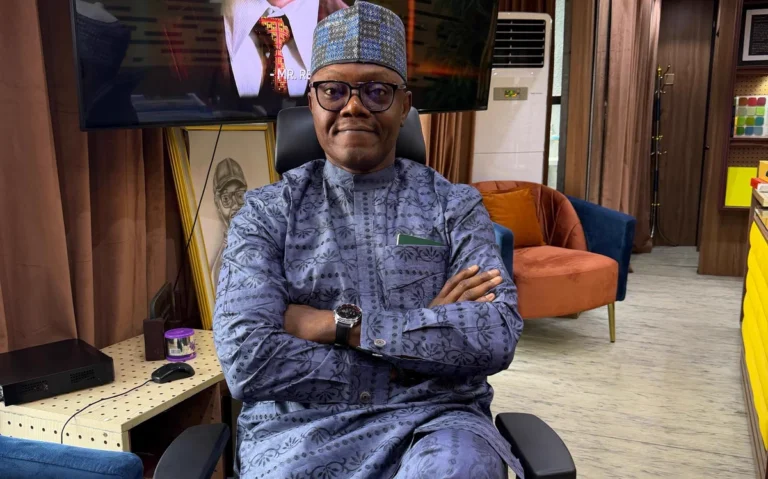
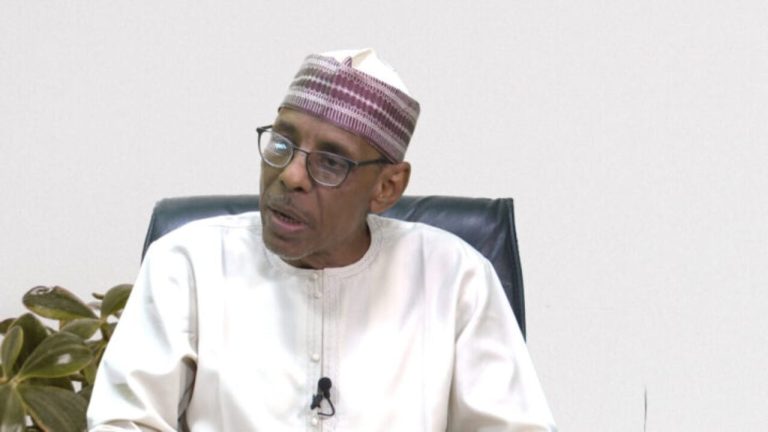
Chairman of the Inter-Party Advisory Committee (IPAC) in Kaduna State, Mika’il Ibrahim, made the call on Tuesday at a one-day media roundtable on the Women’s Political Inclusion Project, organised by the Basileia Vulnerable Persons’ Rights Initiative (BVPRI) in Kaduna.
He said creating a political environment that took into consideration the concerns and realities of women would help remove some of the barriers discouraging them from seeking elective positions and participating in party activities.
The chairman stressed that political inclusion could not be achieved if women continued to be excluded from key political meetings and decision-making processes because of the timing of such engagements.
The call came as BVPRI presented preliminary findings from its community listening and dialogue tour conducted under its Women’s Political Inclusion Project, supported by the Urgent Action Fund-Africa.
Presenting the findings, Founder of BVPRI, Jennifer Agbaji, submitted that women had the capacity to lead but continued to face structural, cultural, economic and political barriers that made participation difficult.
She said the findings showed that women in the communities visited were not questioning their ability to lead but were concerned about whether the political and social environment would allow them to exercise leadership.
“Women can lead. The question is whether Nigeria will let them,” Agbaji said, urging the media to make the issue of women’s political participation a major part of public discourse.
According to her, one of the most disturbing findings from communities in six local government areas visited was the sexualisation and moral stigmatisation of women who aspire to political office.
She said participants reported that women in politics were sometimes labelled as morally loose or accused of “carrying a bad name”, adding that such stereotypes subjected female politicians to a different and harsher standard of scrutiny than their male counterparts.
Agbaji also identified sexual harassment, exploitation, inadequate financial resources and political gatekeeping as major barriers to women’s participation.
Other News
She said women often lacked the resources required to run competitive campaigns, mobilise supporters, travel, communicate with constituents and navigate party structures.
“Economic inequality therefore becomes political inequality,” she said.
On the proposed Reserved or Special Seats Bill, Agbaji said the listening tour revealed that some communities were still unaware of the proposal.
She advocated extensive grassroots sensitisation, saying citizens needed to understand why affirmative measures were necessary to address the country’s wide gender representation gap.
She also recommended that affirmative action should begin within political parties before candidates emerge from primaries.
“Women can be excluded long before the general election. If women are given structured opportunities at the party level, the number of women reaching competitive electoral contests could increase,” she said.
Earlier, Executive Director of BVPRI, Shinkut Sheyin, said the organisation was implementing the Women’s Political Inclusion Project in six communities across Soba, Kachia, Igabi, Chikun, Kudan and Kaduna South local government areas.
He said the three-month project, which commenced on June 30 and is expected to end on September 29, 2026, was designed to increase political participation among women and persons with disabilities and strengthen their capacity to engage in decision-making and governance.
Sheyin said the project’s activities included stakeholder engagement and advocacy, community listening and dialogue, capacity building, research and documentation, as well as a media awareness campaign.
“Women’s political inclusion is a governance issue, not merely a women’s issue. It is a democracy issue,” Agbaji added.