Follow Us on Google
From Charity Nwakaudu, Abuja
The Nigeria Hydrological Services Agency (NIHSA) has raised alarm over potential health risks caused by water contamination in communities recently affected by flooding across the country.
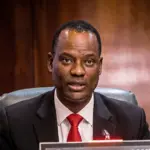
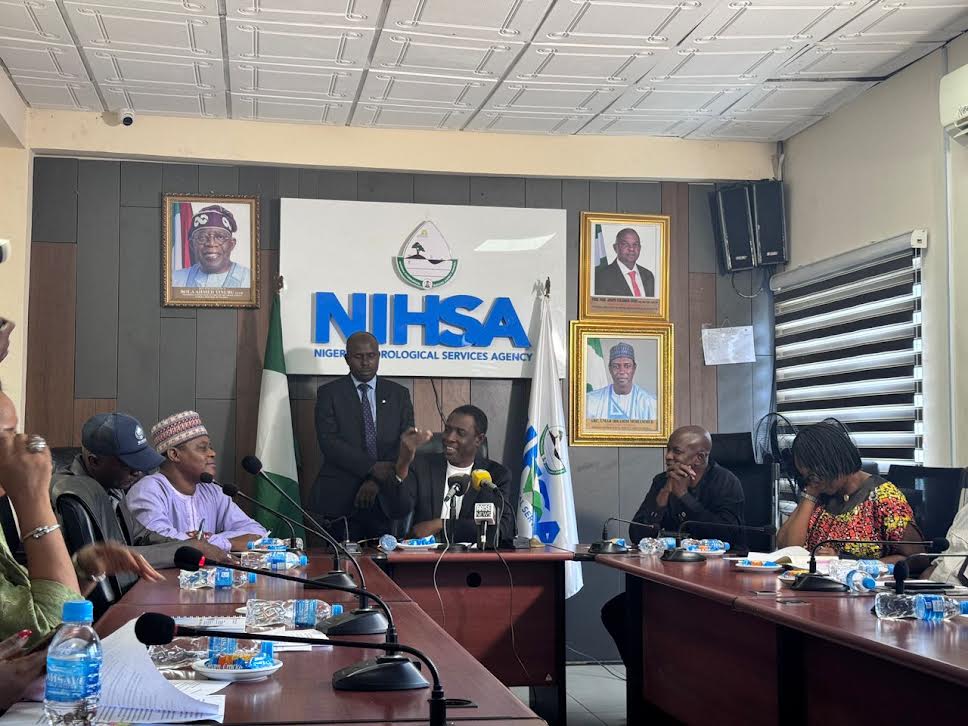
Speaking at a media briefing in Abuja, the Director General of NIHSA, Umar Ibrahim Mohammed, revealed that field assessments by the agency detected floodwater intrusion into shallow wells, contaminating drinking water sources in several areas.
“Our water quality assessments during flood evaluation exercises revealed contamination in some shallow wells caused by floodwater. This is a serious public health concern,” Mohammed stated.
He called for urgent collaboration among relevant ministries, humanitarian organisations, and local governments to provide safe drinking water to affected communities and prevent waterborne diseases.
The Director General also highlighted NIHSA’s broader mandate and current initiatives to manage Nigeria’s water resources in the face of climate change and rising flood risks.
According to him, the Agency has significantly upgraded its real-time monitoring systems and early warning infrastructure. With data drawn from satellite imagery, digital flood modelling, and ground-level measurements, NiHSA now provides more accurate and timely forecasts.
Other News
“We maintain a national network of hydrological and groundwater monitoring stations. These stations provide the real-time information needed to support flood forecasting, land use planning, and water management decisions,” he said.
Mohammed also noted that river levels along parts of the Niger and Benue Rivers remain high, increasing the risk of localized flooding in Kogi, Anambra, and Delta States. He urged residents in flood-prone communities to remain vigilant and adhere to official advisories.
As part of its core activities, NIHSA releases its Annual Flood Outlook (AFO) to forecast likely flood scenarios across all 36 states and the FCT. This is followed by sensitization campaigns targeting state governments, emergency agencies, and vulnerable communities.
In addition to flood forecasting, the Agency is now incorporating Artificial Intelligence and cloud-based technologies into its operations to improve data accuracy and emergency response times.
On the institutional side, NIHSA is developing a Five-Year Strategic Action Plan aimed at strengthening its zonal and field offices, empowering regional engagement, and enhancing collaboration with stakeholders.
“These efforts, Mohammed said, are in line with President Bola Ahmed Tinubu’s Renewed Hope Agenda, which prioritizes innovation, accountability, and measurable outcomes in public service.
“As floods, droughts, and other climate-related events become more frequent and severe, NIHSA’s role becomes even more crucial. We are committed to providing the data and tools that protect lives, safeguard development, and ensure a more resilient Nigeria,” he concluded.