Follow Us on Google
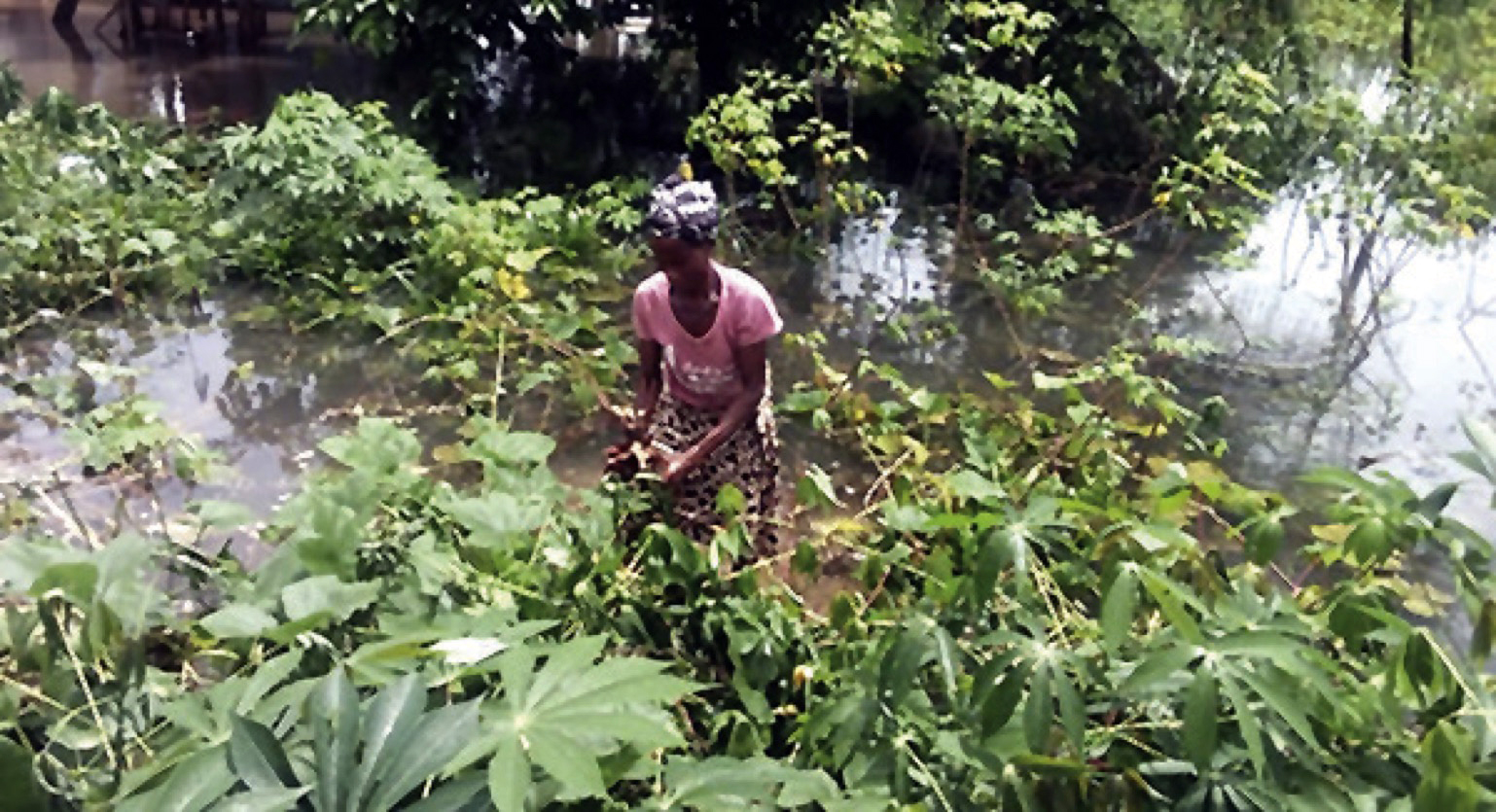
Residents challenge Milan court’s verdict on decades-long environmental menace
By Adebowale Johnson
A coalition of community representatives and civil society organisations has appealed the April 9, 2026 judgment of the Ordinary Court of Milan that dismissed claims arising from decades of flooding in Aggah community, Rivers State, against Italian energy company Eni S.p.A. and Oando Energy Resources Nigeria Limited.
The appeal was filed by the Egbema Voice of Freedom (EVF), Advocates for Community Alternatives (ACA) and community activist, Pastor Nicholas Evaristus Ukaonu.
The dispute stems from alleged failures to address chronic flooding in Aggah despite commitments contained in a 2019 Terms of Settlement facilitated through Italy’s Organisation for Economic Co-operation and Development (OECD) National Contact Point process.

Aggah, located in Ogba/Egbema/Ndoni Local Government Area of Rivers State, is predominantly inhabited by members of the Egbema ethnic nationality, many of whom depend on farming and fishing for their livelihood.
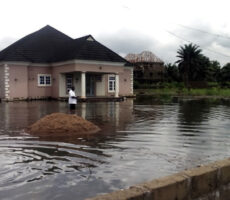
According to court filings, oil exploration activities in the area dates back to the 1960s when Eni, through its former subsidiary Nigerian Agip Oil Company (NAOC), operated in and around the Mgbede oil field. The claimants contend that earthen embankments and elevated access roads constructed in the early 1970s obstructed natural waterways, resulting in persistent seasonal flooding that affects homes, farmlands and community infrastructure.
They argue that the flooding has led to loss of livelihood, environmental degradation and safety concerns over several decades.
In its judgment, the Milan court affirmed its jurisdiction to hear cases involving overseas activities of Italian parent companies but dismissed claims seeking additional remediation measures and compensation.
Other News
The court held that the companies had fulfilled obligations outlined in the 2019 settlement by carrying out specified works, including the construction of drainage channels and related feasibility studies. It found that the agreement did not constitute a guarantee that flooding would be eliminated.
The court also ruled that claims for damages brought through the community organisation were inadmissible on grounds relating to legal standing. In addition, it ordered the claimants to pay more than €180,000 in legal costs.
Community representatives expressed disagreement with the ruling, arguing that evidence presented before the court linked the flooding to oil infrastructure in the area.
Among the materials cited by the claimants were the Final Flood Aggah Community Report, internal company documents, findings by the Rivers State Ministry of Environment and a previous Nigerian court judgment involving Eni’s subsidiary. They maintain that access roads connected to oil wells in the area obstruct natural water flow and contribute significantly to recurring floods.
Speaking on behalf of affected residents, community member Evangelist Ubas said the judgment focused on whether infrastructure had been constructed rather than whether the interventions effectively resolved the flooding problem.
The appeal seeks a review of the court’s interpretation of corporate responsibility in environmental remediation cases. It argues that remediation efforts should be assessed based on their effectiveness in addressing environmental harm and community impacts rather than solely on the completion of prescribed engineering works.
The appellants are also challenging the court’s position on representation and compensation in cases involving environmental damage affecting large groups of residents.
Pastor Ukaonu described the legal costs awarded against the claimants as a difficult burden for the community but said the appeal demonstrates residents’ determination to continue pursuing what they consider a lasting solution to the flooding problem.
During a virtual briefing attended by civil society representatives and journalists, Italian lawyer Luca Saltalamacchia, who represents the claimants, reiterated the need for what he described as justice for residents of Aggah, a community he said has experienced environmental challenges linked to oil operations for more than five decades.
The appeal process is expected to determine whether the lower court’s findings will stand or whether the case will proceed to further consideration of the environmental and compensation claims raised by the community.