Follow Us on Google
By Chinwendu Obienyi
Nigeria’s gross official reserves are expected to remain broadly stable in the near term despite sustained foreign exchange (FX) pressures and seasonal year-end demand, FBNQuest Merchant Bank said in an emailed note recently.
The projection comes on the back of strong reserve accretion recorded in 2025, with gross reserves rising by $3.8 billion in the first 11 months of the year and by $7.5 billion since hitting their June low, providing a firmer buffer as the country heads into 2026.
Also, the reserves crossed the $45 billion threshold for the first time in years, representing one of the strongest positions the country has recorded in the last six years, marking a significant leap from previous levels.
According to FBNQuest, the $1.5 billion month-on-month (m/m) increase in November was driven largely by the Federal Government’s $2.4 billion Eurobond issuance. However, additional FX receipts from oil exports and resilient remittance inflows also contributed meaningfully to the reserves build-up.
A portion of the Eurobond proceeds was applied towards refinancing the $1.2 billion Eurobond maturity that fell due in November.
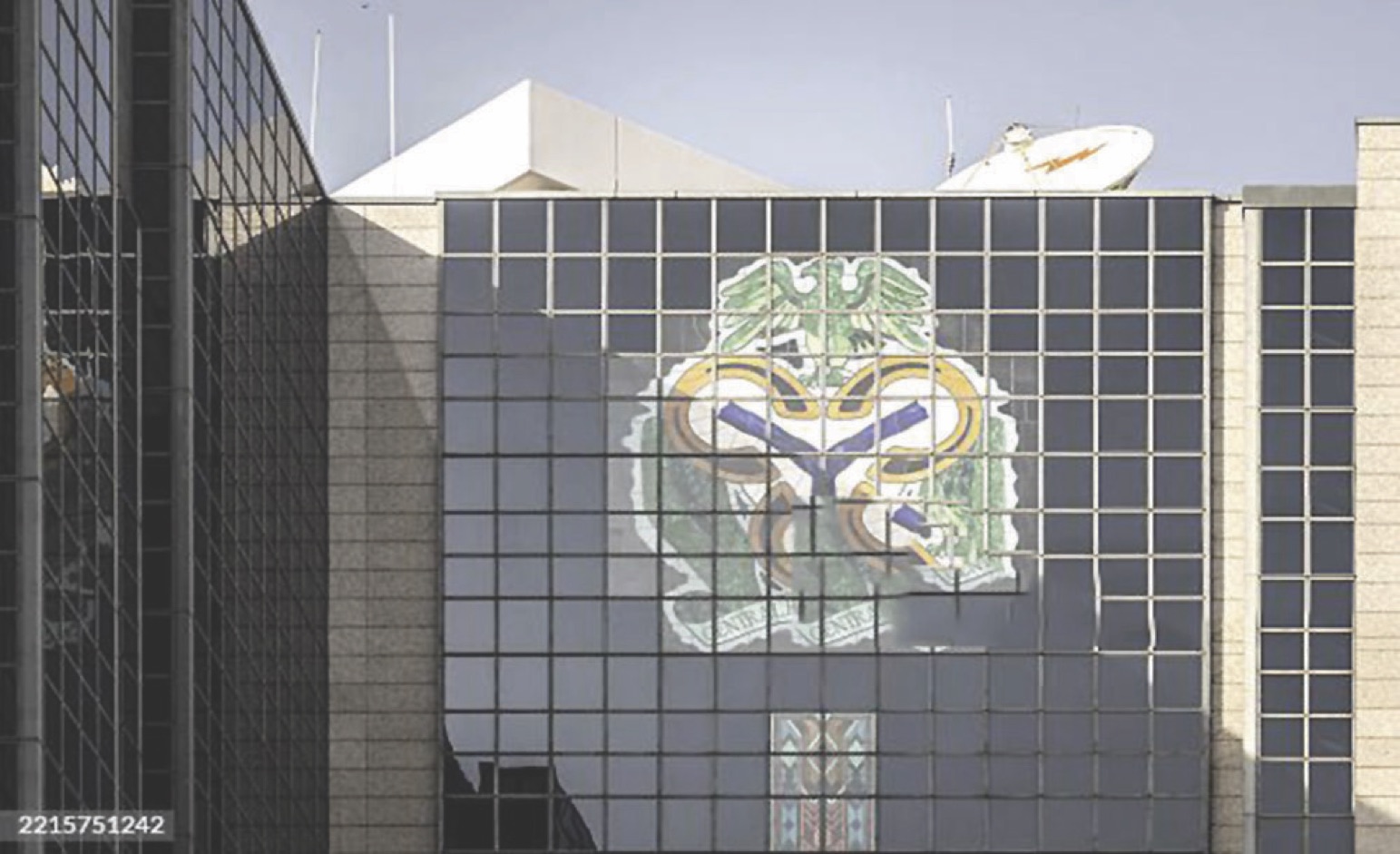
Beyond these one-off financing sources, the bank noted that the reserves outlook remains supported by improved transparency in the FX market and the continued impact of the Central Bank of Nigeria’s reform initiatives.
These measures, it said, have enhanced price discovery, reduced market distortions, and are expected to stabilise supply conditions even during periods of elevated demand.
Despite the improvements in reserves, the naira weakened by around 1.8 percent month-on-month to N1,446.7/$1 in November, reflecting typical year-end pressures associated with increased travel demand and the settlement of import obligations by businesses.
FBNQuest stated that these seasonal pressures are expected to moderate, adding that ongoing market reforms and improving efficiency should help contain future drawdowns.
“Looking ahead, we expect gross official reserves to remain broadly stable, supported by improved market transparency, greater efficiency, and the sustained impact of CBN’s FX market reforms,” the bank said.
In a related development, Fitch Ratings has advised the CBN to proceed carefully with its monetary easing cycle, noting that while falling inflation across Sub-Saharan Africa (SSA) creates room for rate cuts, it could also heighten risks if liquidity is not tightly managed. The warning was contained in Fitch’s ‘Sub-Saharan Africa Sovereigns Outlook 2026’ report.
“South Africa’s new inflation target is consistent with policy rate cuts, the Central Bank of Nigeria should continue to ease policy cautiously, and we see further cuts in Kenya and Ghana,” Fitch stated in its outlook.
Fitch also highlighted political dynamics across the region, noting that elections scheduled for 2026 in Benin, Cabo Verde, Ethiopia, Republic of Congo, Uganda, and Zambia are likely to bring continuity in economic policy, though risks of protest remain. Excessive government responses, it warned, could undermine concessional financing inflows.
Regarding Nigeria, where elections are expected in early 2027, Fitch said the vote will test the durability of ongoing reforms. The agency assumes key reforms will be maintained but anticipates some fiscal easing, cautioning that “ensuring the liquidity generated does not feed into inflation may prove challenging.”