Follow Us on Google

-
Urges revenue agencies to appoint liaison officers
-
To establish zonal offices across Nigeria
The Office of the Tax Ombud (OTO) has unveiled plans to launch a Taxpayer’s Bill of Rights and Obligations aimed at strengthening fairness, transparency and accountability in Nigeria’s tax administration.
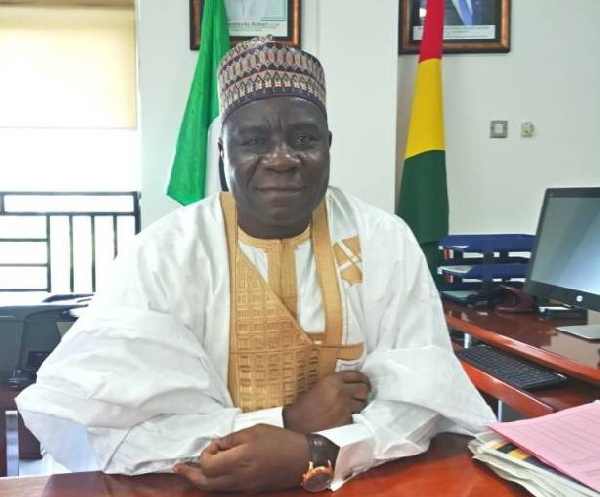
The Chief Executive/Tax Ombud, Office of the Tax Ombud, Dr John Nwabueze, disclosed this on Thursday at a stakeholder engagement organised by the office in Abuja.
Nwabueze said the charter would provide taxpayers with a clear understanding of their rights and responsibilities, as well as the standards of fairness, transparency and accountability they should expect from tax and revenue authorities.
He said the document, which would be launched publicly in the coming weeks, would be made available through the office’s digital platforms and other public channels.
According to him, the initiative is expected to strengthen taxpayer awareness, encourage voluntary compliance, prevent disputes and build greater trust across the tax ecosystem. He appealed to tax and revenue authorities to support the dissemination of the charter through their offices and digital platforms.

Nwabueze said the Office of the Tax Ombud had also launched a website, interactive contact centre and case management portal to enable taxpayers to submit complaints, obtain information, track their cases and receive timely assistance.
He added that the office was progressively digitalising its operations to improve efficiency and reduce reliance on manual processes.
The Tax Ombud further disclosed that the office was working with state governments to establish zonal offices across the country, with at least three expected to commence operations within the next few weeks. He said the move was aimed at bringing taxpayer protection services closer to Nigerians, particularly those outside the Federal Capital Territory.
Nwabueze also proposed that revenue-generating agencies should designate liaison officers to serve as institutional interfaces with the Office of the Tax Ombud.
He said the officers would facilitate timely communication and referral of taxpayer complaints, early resolution of disputes, information sharing and follow-up on recommendations arising from the office’s interventions.
The Tax Ombud said Nigeria’s tax administration must evolve towards a system where revenue mobilisation and taxpayer protection were treated as complementary objectives.
Other News
“Taxpayer protection and revenue mobilisation are not competing objectives, but complementary pillars of an effective, trusted and sustainable tax system,” he said.
Also speaking, Deputy Director, Abuja Liaison Office, Nigerian Shippers’ Council, Dr Pauline Osasena, said tax administration should be anchored on fairness, transparency and trust, particularly for small and medium-sized enterprises and businesses involved in shipping, importation, exportation and other port-related activities.
She said tax laws and assessments must be predictable, consistent and applied without discrimination, warning that multiple levies and unclear charges should not excessively burden businesses.
Osasena said taxpayers were more likely to comply voluntarily when they understood the basis of their tax obligations and could see how public revenue was being utilised.
She identified trust as a critical component of an effective tax system, saying taxpayers must be confident that disputes would be resolved impartially, harassment would be avoided and government institutions would also be held accountable.
Similarly, the Director of Financial Services, Nigerian Communications Commission (NCC), James Kalu, said an efficient, transparent and equitable tax administration system was essential to improving compliance, strengthening revenue mobilisation and creating a favourable investment climate.
Kalu noted that the telecommunications sector had demonstrated the importance of transparency, stakeholder engagement, technology and effective dispute-resolution mechanisms in building public confidence.
He said the same principles could be applied to tax administration through simplified processes, stronger accountability, innovation and open channels of communication among regulators, revenue authorities, businesses and citizens.
The NCC said compliance should be encouraged through confidence and trust rather than enforcement alone, stressing that institutions must remain responsive and committed to protecting taxpayers’ rights and interests.
The commission expressed confidence that the engagement would generate practical recommendations for strengthening the nation’s tax administration and improving relations between taxpayers and government revenue institutions.