Follow Us on Google
By Rita Okoye
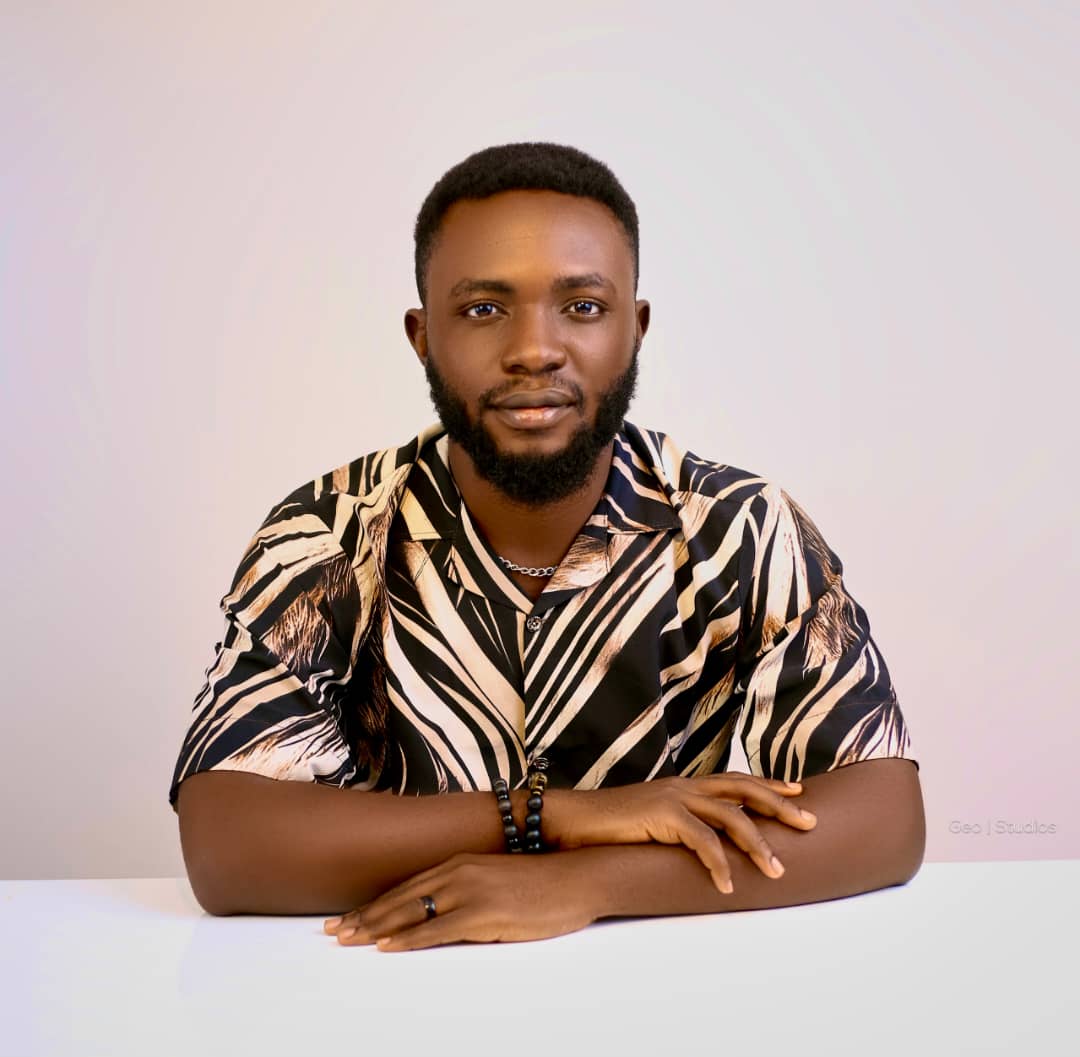
Ayobami “Hayorlad” Oladejo is a Nigerian filmmaker, producer, and director, and the founder of HC Studios.
Known for his socially conscious storytelling and cinematic realism, Hayorlad has directed several productions, including OLOKUTA, KEJI, BALOGUN AGORO, and documentaries such as AKORAYE: THE PEOPLE OF MODAKEKE, highlighting cultural preservation, community impact, and development.
In this interview with Sunday Sun, the filmmaker opens up about his creative journey, the Nigerian film industry, his philosophy of storytelling, and his mission to use film as a tool for change and legacy.
Can you tell us a bit about yourself and how your filmmaking journey began?
My name is Ayobami “Hayorlad” Oladejo, known by many as Hayorlad. I am a filmmaker, director, and storyteller who sees film as one of the most powerful tools for preserving culture, provoking thought, and inspiring change.
My journey started about 15 years ago out of curiosity and a passion to tell my own stories in my own way. I enrolled under the tutelage of Otunba Dr. Bolaji Amusan (Mr. Latin), the global president of TAMPAN, and over the years, I’ve evolved from being an upcoming actor to an all-round filmmaker who produces and directs films under my production outfit, HC Studios. Our focus is on telling authentic African stories with emotional and social depth.
What inspired your passion for filmmaking?
My passion for filmmaking dates back to my childhood days. It started with my fascination for how stories can influence people’s emotions and decisions. Growing up, I noticed that anytime we watched a movie, we tended to believe everything hook, line, and sinker, to the extent that when an actor died in a movie, we believed they were truly dead, and when someone played a criminal, it stuck with them.
That’s how powerful movies can be in shaping people’s beliefs and perceptions. That power to move hearts and shape minds drew me in. Today, I take it as a responsibility to use film not just to entertain, but to educate, inspire, and preserve our social consciousness.
You’ve directed several productions. Which ones stand out to you the most, and why?
Every project I’ve done is special to me because I treat them all with utmost importance. One thing I always look out for in any project is its social relevance.
For example, OLOKUTA tells the story of a young girl whose father betroths her to a wealthy man in hopes of escaping poverty. It mirrors what happens in many communities, touching on poverty, parental exploitation, and gender inequality.
Another is a film I just finished working on, which addresses the daily challenges faced by educated Nigerian youths after their National Youth Service, the societal pressures and expectations they deal with.
I also produced and directed a documentary for an NGO working in a small community in Ibadan. It highlights how education and empowerment can transform the lives of underprivileged children.
Stories like these remind me why we make films, to spark conversations and inspire change.
How would you describe your directing style?
I would say I use an emotional storytelling approach. I believe a scene must connect emotionally before it can connect visually. The audience must be able to relate.
On set, I like to create an atmosphere where everyone, from actors to crew, understands the core of the story. I’m not the kind of director who just sits and calls “action.” I’m very involved with my actors, helping them internalise the roles beyond the lines of the script.
For me, authenticity is everything and that’s how we connect with the audience we are serving.
The Nigerian film industry has come a long way. What challenges have you faced, and how do you navigate them?
Like many filmmakers, I’ve had my share of challenges. The most common ones are funding limitations and distribution hurdles. Nigeria has talent in abundance but limited access to sustainable financing and proper distribution structures.
Most filmmakers still self-fund their projects, which limits both the potential and quality of their work. We need stronger collaboration between guilds, distributors, and streaming platforms to ensure sustainability.
Sometimes, these constraints push you to think creatively. Every obstacle is part of the process of growth, and I believe we’ll get there someday.
What’s your view on the current state of Nollywood and its direction?
Nollywood is in a beautiful transition phase. We’re seeing more filmmakers focus on quality storytelling and global-standard production values. The world is paying attention to us, and that’s exciting.
However, we must also focus on building sustainable systems, from financing to distribution and intellectual property protection. I hope that we strengthen the business side of filmmaking as much as we’ve developed the artistic side.
Personally, I want to be part of shaping that new wave, where Nigerian stories are told with excellence and global relevance.
You often merge social issues with entertainment in your work. Why is that important to you?
Because I believe film is more than make-believe, it’s a mirror. It’s one of the strongest cultural tools we have.
Our society is filled with untold stories that can bring awareness and change when told the right way. I’m drawn to stories that challenge norms and spark dialogue. Whether it’s poverty, gender issues, leadership, or morality, I always find ways to weave meaning into entertainment.
For me, the best films don’t just make you laugh or cry, they make you reflect.
What do you think can be done to strengthen the professional culture of filmmaking in Nigeria?
First, we must start treating film as an industry. That means our people must get more training, use standard contracts, and uphold ethical frameworks.
Also, collaboration should replace competition. There’s room for everyone, but we must learn to build together. When we operate as a community, we can achieve more and raise the overall standard of Nigerian cinema.
HC Studios, your production company, has been producing socially conscious films. What’s your broader vision for it within the industry?
Our goal at HC Studios is to build a creative ecosystem where filmmakers, storytellers, and technical talents can collaborate on meaningful projects that are culturally deep and socially relevant.
Beyond entertainment, our focus is to make films that have impact and leave a footprint, stories that will outlive trends and continue to inspire even after the credits roll.
What current or upcoming projects should audiences look forward to from you and HC Studios?
I mentioned a film earlier, our latest project titled MILES AWAY, which is currently in post-production. The film addresses societal pressure among youths, especially when much is expected from them but they struggle to meet those expectations. It’s a story every Nigerian youth can relate to, regardless of class.
This project is completely different from what we’ve done so far because it carries a blend of adventure and realism. Just watch out for MILES AWAY.
We also have a couple of commissioned projects from clients and independent producers that we’ll be rolling out in the coming months, and trust me, you’re going to love them all.