Follow Us on Google
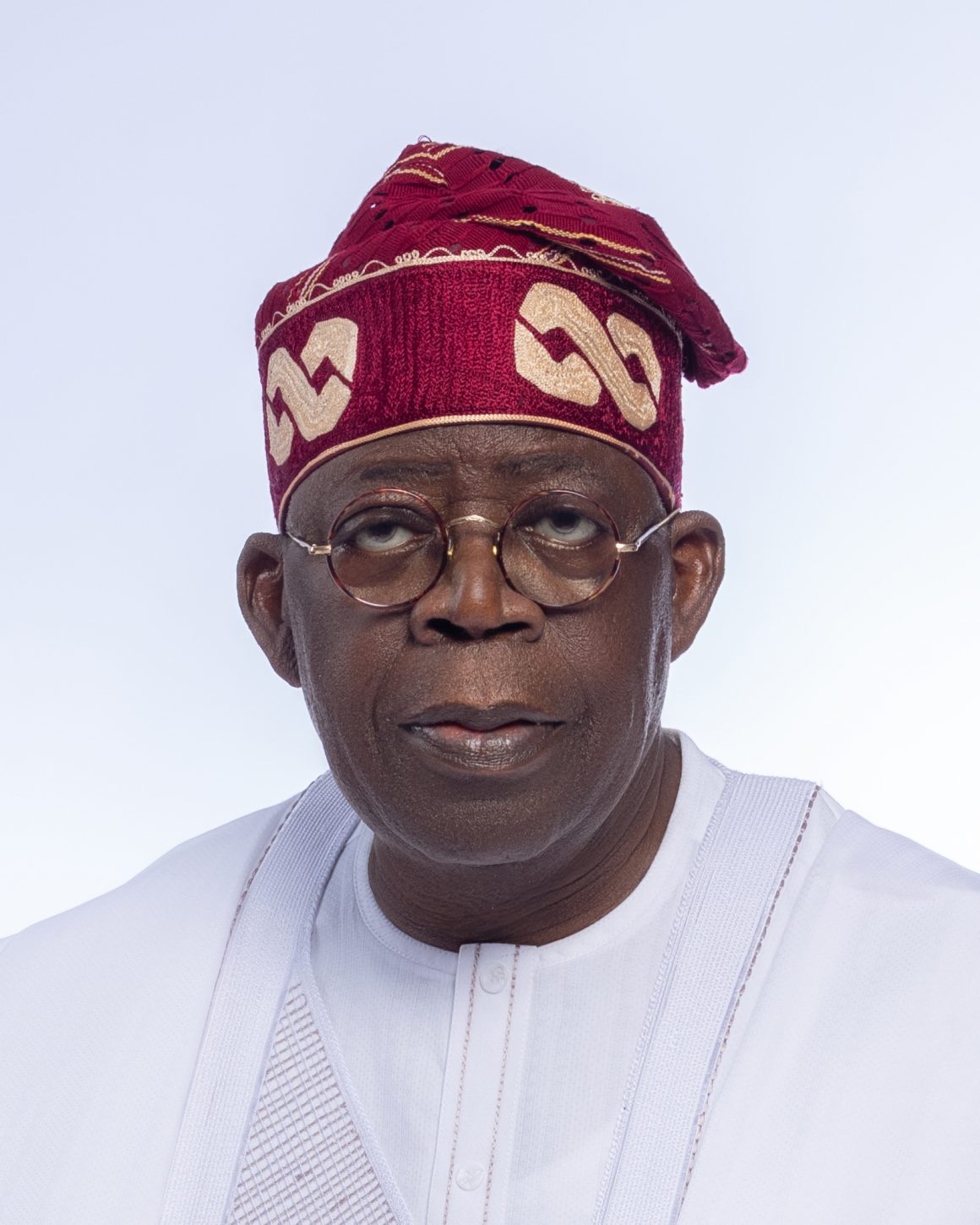
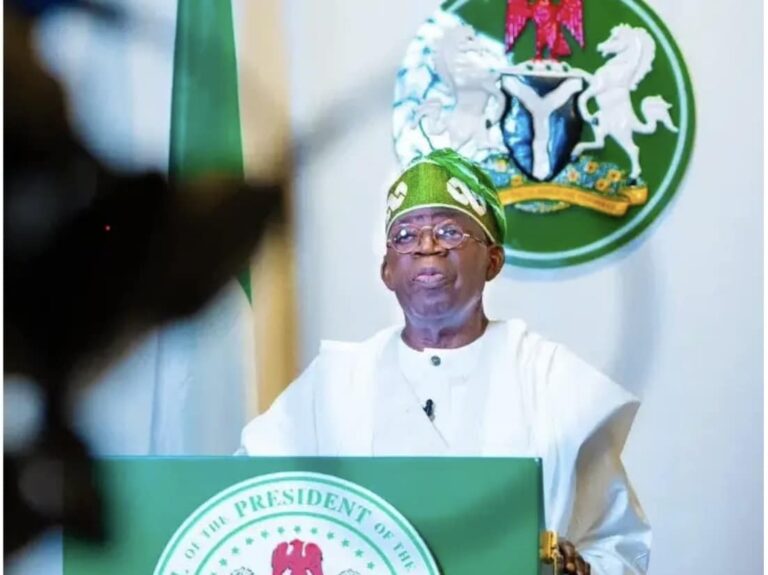
Despite repeated warnings against binge borrowing, President Bola Tinubu has not relented in asking for more loans. The other day, he sought the Senate’s approval for a fresh $516 million external loan to finance some sections of the 1,000km Sokoto-Badagry superhighway. This will make FG’s borrowing requests to exceed $30 billion under Tinubu’s administration. Based on the latest data from the Debt Management Office (DMO), and other sources, Nigeria’s public debt stock has surpassed the threshold set by the fiscal laws. As of April 2026, President Tinubu has secured Senate approval for external loans package totaling $21.19 billion, €4 billion, and ¥15 billion for the 2025-2026 period. This has exerted much pressure on the country’s wobbling economy.
Also, as of Q1 2025, Nigeria’s debt-to-GDP ratio stood at approximately 52 per cent, surpassing the 40 per cent ceiling set by the Fiscal Responsibility Act and the Federal Government’s Medium Term Management strategy. This has raised some concerns over fiscal sustainability, with debt servicing taking much of the national budget. In the Q1 2015, total public debt surged to N149.39trillion or $97billion and increased to N159.28 trillion by December 2025.
Sadly, our debt-service-to revenue ratio has reportedly exceeded 100 per cent. This means that the federal government is spending more than its revenue on loan repayment. The rise is driven by new borrowing for budget deficits, the securitization of N22.7 trillion on CBN advances or “Ways and Means,” and naira depreciation. This has far-reaching implications for the economy. Huge debt bill would mortgage the future of the country and that of the citizens. Debt servicing and personal costs had already gulped about 105 per cent of the federal government’s total revenue from January-July 2025, even as receipts fell sharply below target, and capital projects suffered deep crisis in the outgoing year.
In both domestic and foreign fronts, borrowing and public debt servicing have increased at disturbing proportions, and the government is still borrowing in defiance of economists’ advice to borrow cautiously and spend with discipline. Last week’s data from the DMO attests to the economic danger facing the country. According to the DMO, total domestic debt servicing has jumped to N15.8 trillion by end of 2025, up from N12.83 trillion in 2024. This represents an increase of 23.2 per cent in less than a year. This is further driven by rising interest payments on local borrowing. This contradicts President Tinubu’s claim in September last year that his administration met its projected revenue target for the year in August 2025.
Other News
Our domestic servicing has increased by 46 per cent to N8.6 trillion in recent months. This accounts for half of the country’s total debt service, marking a disturbing shift from 2024 when external debt held a larger share of Nigeria’s debt burden. This can explain the growing reliance on local borrowing instruments, especially Treasury Bills, where interest repayments have tripled within a year, while heavy foreign borrowing continues. With the new $516 million loan request, experts say that this could bring Nigeria’s total debt stock to over N180 trillion, the highest in the nation’s history. The new loan will be sourced from Deutsche Bank, a leading German multinational investment and financial services company. The loan has a 9-year tenor, including three years of grace. Last year, the federal government raised a $747 million syndicated loan led by the German Bank to finance the first phase of the 700km Lagos-Calabar highway.
With the new loan, Nigeria’s public debt will reach a new-high of N188 trillion by the end of 2026. This means that external obligations increased by $1.48 billion within the quarter. Domestic debt expanded even more sharply in dollar terms, increasing from $52.67 billion in June 2025 to $55.47 billion in September 2025. This represents a rise of $2.80 billion. In naira terms, the domestic debt stood at a staggering N81.82 trillion in September 2025 compared to N86.55trillion in June 2025. Also, domestic borrowing by the federal government accounted for 53.37 per cent of the total debt in September 2025. This is slightly higher than 52.86 per cent recorded in June 2025. Meanwhile, states’ total debt has reached all-time high of N4.36 trillion, according to DMO figures, with 10 states accumulating N2.96 trillion of the amount.
With the removal of petrol subsidy, this government has no reason to resort to borrowing spree. While there is nothing wrong with borrowing, the loans should be invested in road infrastructure, health facilities and education. Government should not borrow to pay salaries. There is need for good governance. The backlash over the government’s plan to raise N100billion through the unclaimed dividends and dormant bank accounts to service domestic debts under the Unclaimed Funds Trust Fund (UFTF) is understandable. Therefore, we urge the government to tread cautiously and avoid matters that will plunge the country into needless debt crisis.