Follow Us on Google
•Stakeholders divided over new livestock plan
From Okwe Obi, Abuja
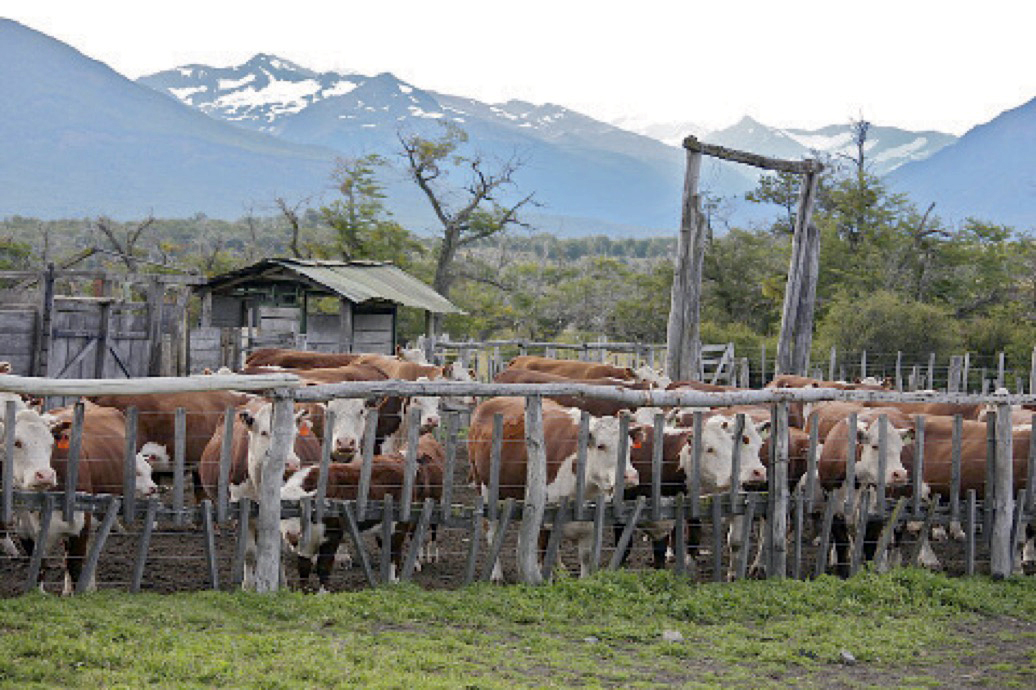
Ranching is a sensitive topic in Nigeria and that is why the federal government’s latest push to establish estate-based livestock ranches across the country is stirring fresh controversy.
For many stakeholders, the new drive brings back the echoes of the controversial Rural Grazing Area (RUGA) programme, a fiercely rejected initiative many saw as a hooded attempt to snatch ancestral lands from Nigerians and hand them over to pastoralists, who are mainly the Fulani ethnic stock.
No amount of sensitisation worked, forcing the initiative to be rested.
Nonetheless, the new ranching idea, springing up years after the abandoned RUGA initiative, is touted as a job-creation and rural development strategy capable of generating about 7,000 jobs.
The proposal has drawn mixed reactions from stakeholders, with supporters highlighting its economic potential and critics questioning its motives, implementation framework and likely impact on communities.
According to the federal government the new ranching framework will create about 7,000 jobs, but not all stakeholders are in. A lot of them are against it.
While officials present the initiative as a pathway to modernising livestock production and boosting rural economies, critics have drawn parallels with the controversial Rural Grazing Area (RUGA) programme, which faced widespread opposition amid fears that it could alter local demographics and land ownership patterns.
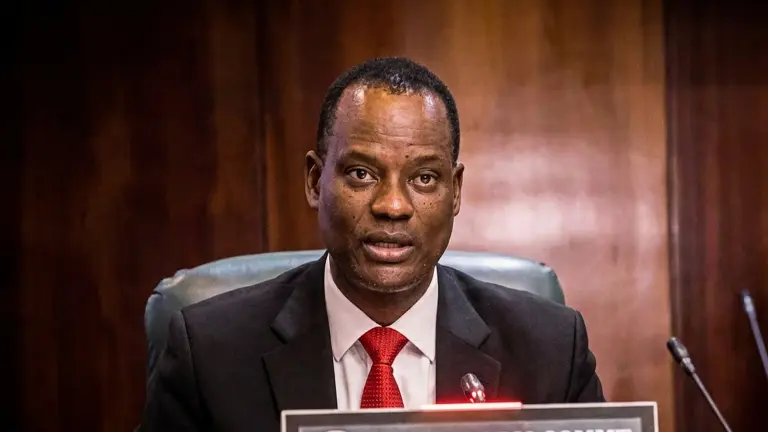
Unveiling the proposal in Abuja, the Minister of Livestock Development, Idi Maiha, said the ranching model is aimed at expanding economic opportunities, particularly for young people and women, while improving productivity across the livestock value chain. According to him, the initiative will promote structured participation in ranch operations and related enterprises, encourage sustainable livestock management practices, and serve as a catalyst for job creation and rural economic growth.
He said: “The programme is projected to create about 7,000 direct jobs while supporting growth across the dairy, red meat and leather value chains,” Maiha stated.
Maiha added that the initiative was part of the Federal Government’s broader strategy to unlock the economic potential of Nigeria’s livestock industry, particularly in dairy production, meat processing, feed and fodder development, and leather manufacturing.
On the dairy industry capacity, he estimated that the sector could generate billions of dollars in economic value and called for stronger collaboration among government agencies, financial institutions, and private investors to expand production and modernise the sector.
However, stakeholders have questioned the sincerity of states, especially in the South South and South East to provide lands for the initiative.
A public affairs analyst, Jide Ojo, argued that livestock farming is a private initiative that business owners should be willing to buy plots of land without the government spending taxpayers money.
“It is the right way to go. I fully support the government to promote ranching as a means of livestock rearing.
“I was on television last Saturday to discuss the embarrassing open grazing that we see even on major roads in Abu Dhabi.
“It is quite antediluvian and archaic that in 2026 the giants of Africa would tolerate open grazing.
“It is long overdue for us to ban this and you cannot ban open grazing unless you make alternatives for those who are involved. I do not know, I have not read this news about the 7,000 people being recruited.
“I thought what should be done is to form these pastoralists, form them into cooperative societies, loan them money if they don’t have money to set up their own ranches and give a period within which no single cow, goat or ram would be seen on the streets.
“Do you get it? It’s not possible because this is a private business. I know that we have the Nigeria Agricultural Insurance Company.
“We have different departments under the Ministry of Livestock Development. Ordinarily, we even have a livestock transformation plan under Buhari that was launched in 2017.”
Aside from supporting the initiative, he questioned the livestock development plan that was put in place by the administration of President Muhammadu Buhari.
“I have been asking what has happened to that livestock transformation plan because if we don’t stop this open grazing, there will continue to be problems across the country, particularly in the North.
“Look at all the so-called farmers-herders’ clashes, what it has done to states like Benue, like Plateau, under the guys wearing tattoos, a lot of clashes have happened, a lot of deaths, a lot of killings, a lot of maiming. And I believe it’s high time that was.
He charged governors of the South South to release lands for the project. Alternatively, he encouraged private pastoralists to acquire lands legally for their business.
“And if the southern governors don’t want to release land, it’s their own problem. What individuals can do is to buy land and decide to ranch cattle on their own land.
“Governors can approve areas where people will be allowed to ranch their cattle. It is like when the government says this is a mechanic village where people who want to repair their cars should go to have their cars fixed. And you know, some state governors have done that. So you have a whole huge
On his part, a farmer, Atiku Abdullahi, said it would be difficult for the pastoralists to adapt to the initiative, citing long years of grazing. “Well, it is a welcome development. But I doubt if cattle grazers who have been moving from state to state will adapt to the initiative” he said.