Follow Us on Google

By Merit Ibe
The Lagos Chamber of Commerce and Industry (LCCI) has said with further borrowing of $2.2billon, the Federal Government risks losing steam on infrastructure financing as debt servicing may rise above the capital expenditure in the 2025 budget.
The chamber expressed concerns over the weak economic fundamentals in the economy and the lack of understanding of how the federal government intends to navigate through these challenges to a better economy in the near term.
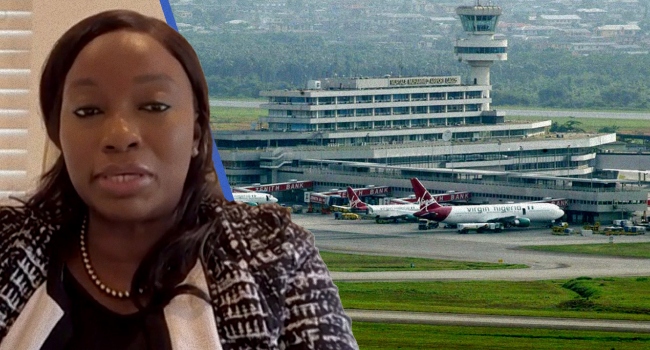
According to the Director General of the chamber, Chinyere Almona, with an estimated debt-to-GDP ratio of above 50%, “our debt servicing expenses set to swallow our capital expenditure and Nigeria owing about $17billion, the 3rd highest debtor to the International Development Agency (IDA), the LCCI is taking the responsibility to once again warn about imminent debt sustainability issues and how that may further weaken the state of critical infrastructure in the country.”
She noted that the chamber has always advised against solely using debt financing without considering other options to fund budget deficits.
The LCCI boss further pointed out the exposure to the external currency shocks that may result from the depreciation of the Naira against the Dollar in the course of servicing these accumulated debts.
Almona explained that the Central Bank has continued to struggle with boosting supply in the FOREX market to strengthen the naira but to no avail, adding that with all of these concerns, the government’s borrowing appetite need to be keenly managed.
Going forward, the Chamber recommends that the government should ensure transparency and accountability in deploying the borrowed funds.
“The funding of critical business-supporting infrastructure like electricity supply, security for food production and logistics, and enablers manufacturing should be of utmost importance.
“Beyond borrowing, the Federal Government should intensify efforts to expand the non-oil revenue base through tax reforms, improved compliance, and the promotion of export-driven sectors like agriculture and manufacturing.
“Urgent steps are required to stabilize the naira and address the structural issues in the foreign exchange market to reduce the negative impact of external borrowing.
“Greater reliance on PPPs for infrastructure development can reduce the pressure on public borrowing while encouraging private sector participation and efficiency.
“The LCCI urges the Federal Government and the National Assembly to carefully evaluate the long-term implications of our current debt status and thread cautiously on the path of fiscal prudence, project accountability, monitoring and evaluating capital projects to ensure the delivery of funded projects.”