Follow Us on Google
From Charity Nwakaudu, Abuja
The federal and state governments have been urged to partner with private health institutions to expand health screening in 20 states.
A health and community development organisation, In Our Mind Foundation (IOM), made the call on both governments to partner with its Healthy Nigeria Movement to expand community-based health screening and improve access to medical care during the week in Abuja.
It also reported high blood glucose readings in 18.33 per cent of the screening results and low readings in 9.12 per cent.
However, the figures have yet to be independently validated and should not be taken as representative of Nigeria’s wider population.
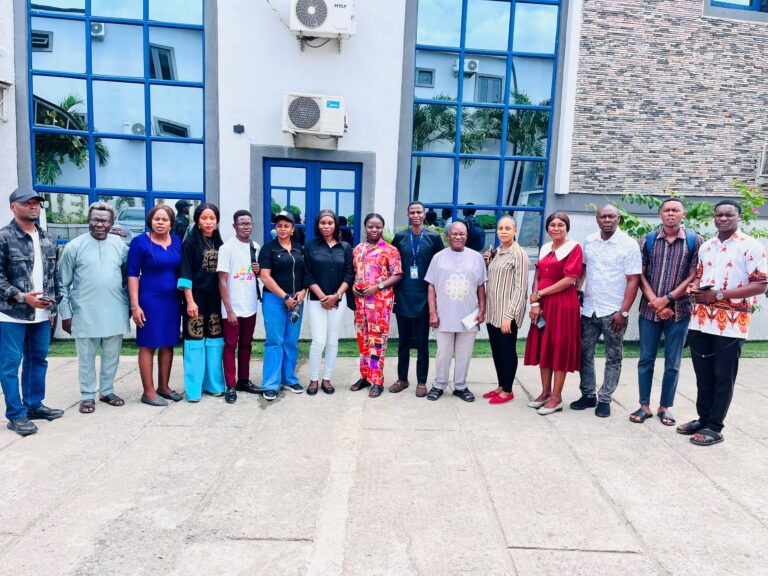
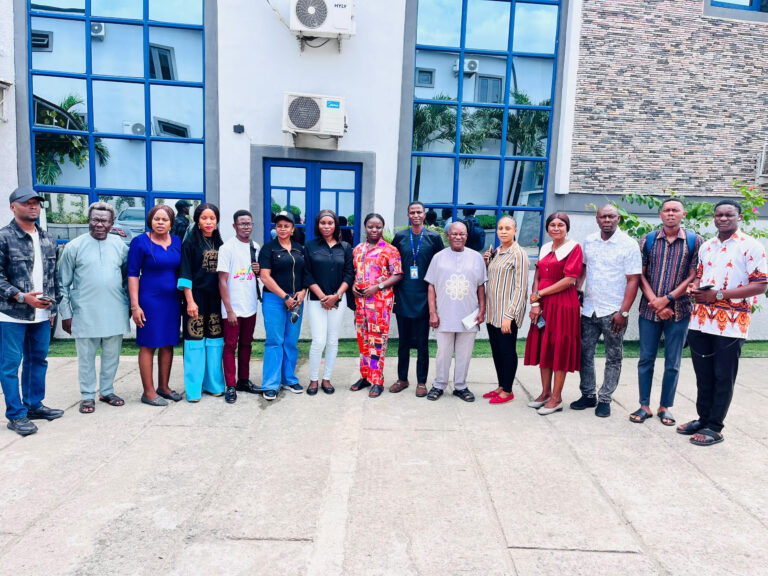
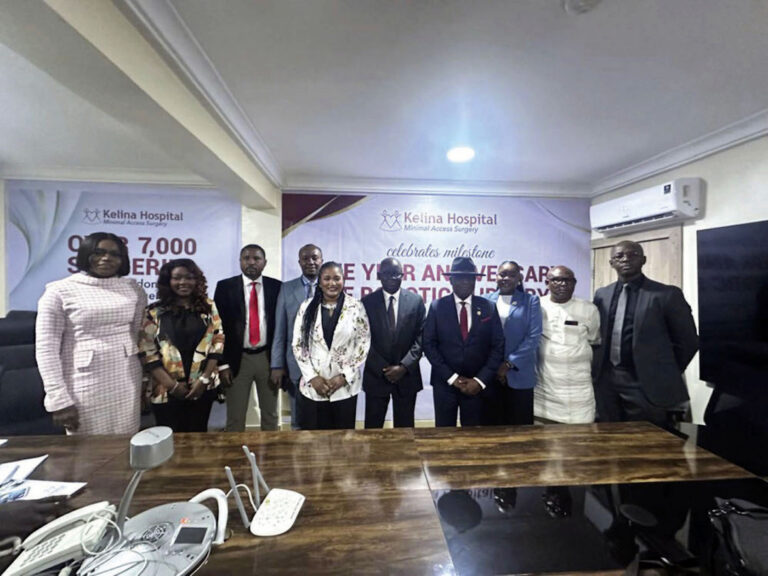
The founder of the organisation, Iruoma Obiesie Onuko, popularly known as Nurse Angel, made the appeal on Tuesday at a press conference in Abuja, where she called for formal collaboration with government health authorities, primary healthcare organisations and relevant clinical institutions.
Onuko said the initiative was designed to bring routine health checks closer to communities by providing free blood pressure and blood glucose screening, health education, referral assistance and follow-up support.
According to her, the foundation conducts outreach in marketplaces, streets, schools, churches and other community gathering points to identify people who may require further medical assessment.
She said the organisation had encountered participants with concerning blood pressure and blood glucose readings, adding that some people with severely elevated blood pressure had been supported to access urgent hospital assessment.
The founder also said the foundation had assisted with medical expenses where resources were available and provided follow-up support to people experiencing difficulties accessing healthcare.
She noted that high blood pressure could occur without obvious symptoms, making routine screening important for identifying people who might otherwise remain unaware of their condition.
The foundation said it was seeking a formal technical partnership with the Federal Ministry of Health and Social Welfare, state health authorities and healthcare institutions to establish a coordinated system for community screening and referral.
It proposed that the arrangement should define responsibilities, geographical coverage, screening standards, personnel training, equipment requirements, clinical supervision and quality-control measures.
The proposed framework would also provide for referral pathways to designated health facilities, urgent response procedures, follow-up arrangements and joint evaluation of programme outcomes.
The organisation said it could contribute community mobilisation, local networks and trained outreach teams, while healthcare institutions would provide clinical oversight, further assessment and continuing care.
Other News
It also proposed a 12-month programme to strengthen existing activities and gradually expand screening in line with the capacity of local teams and participating health facilities.
Under the proposal, partners would regularly assess the number of people screened, referrals made, clinical assessments completed and follow-up actions undertaken.
The foundation said the programme would also incorporate transparent financial reporting and measures to protect participants’ personal health information.
It maintained that screening results should lead to appropriate medical assessment where necessary, rather than end with the recording of readings.
The call comes amid global concern over cardiovascular diseases, which the World Health Organisation (WHO) identifies as the leading cause of death worldwide.
According to the WHO, an estimated 19.8 million people died from cardiovascular diseases in 2022, accounting for approximately 32 per cent of global deaths, with more than three-quarters of the deaths occurring in low- and middle-income countries.
The organisation has emphasised the importance of detecting and managing cardiovascular risk factors, including raised blood pressure and blood glucose, through primary healthcare services.
However, screening alone does not establish a medical diagnosis, as concerning results require appropriate clinical assessment by qualified healthcare professionals.
The foundation acknowledged the need for clinical oversight and quality assurance, saying any government-supported programme should adopt agreed screening standards, suitable equipment, competent personnel and clear referral arrangements.
It also proposed collaboration with universities, professional organisations, international health bodies and diaspora professionals to support training, technical expertise and programme evaluation.
Onuko explained that the foundation originated from a youth initiative associated with Nigeria’s centenary programme in 2014, which encouraged young people to contribute ideas and solutions to national development.
She said the initiative’s activities and reflections were later consolidated into a book, In Our Mind, followed by the establishment of the foundation and its talk show.
The organisation has since expanded its activities to children, adults and older people, with community health education becoming part of its broader development mission.
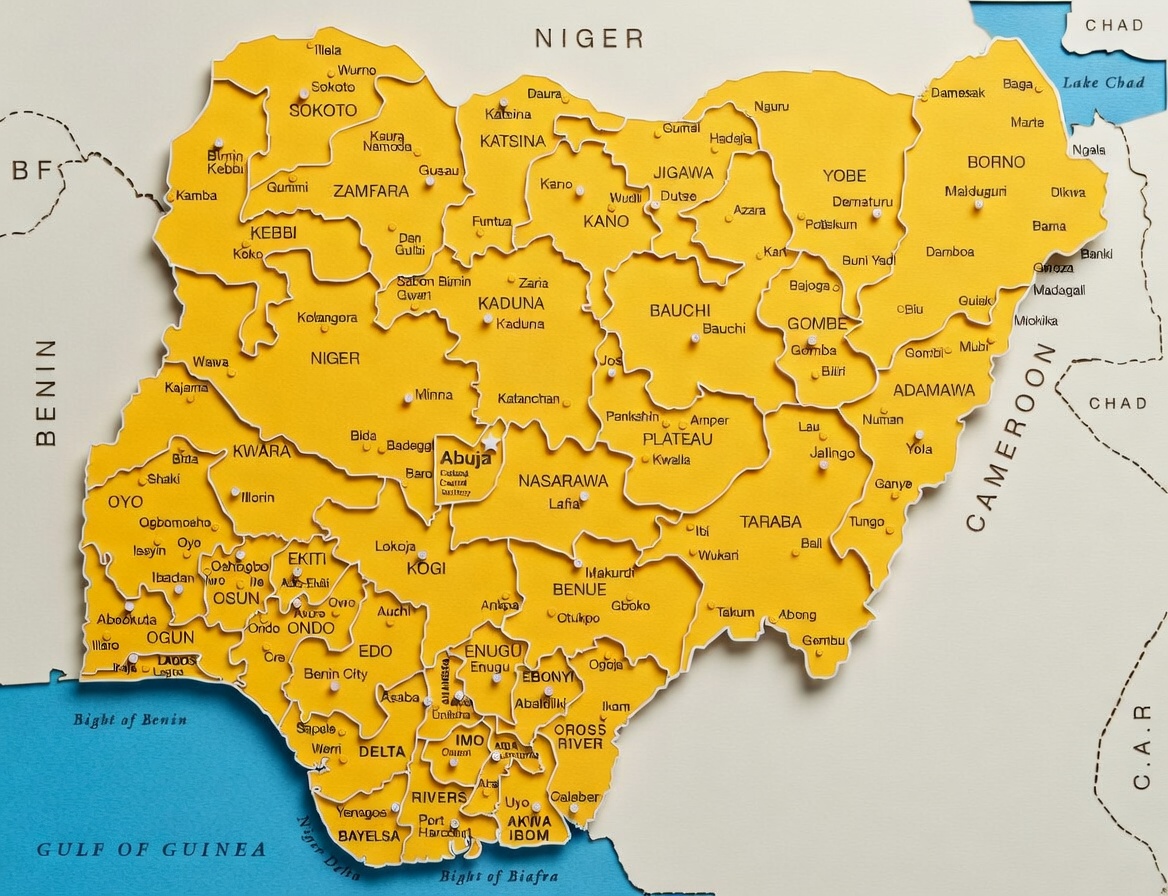
The foundation said its wider network had a presence in every state, while its community screening programme had conducted outreach in 20 states.
It called on relevant government agencies and healthcare institutions to establish a formal delivery agreement to strengthen the connection between community screening and appropriate medical care before further expanding the initiative.