Follow Us on Google
From Okwe Obi, Abuja
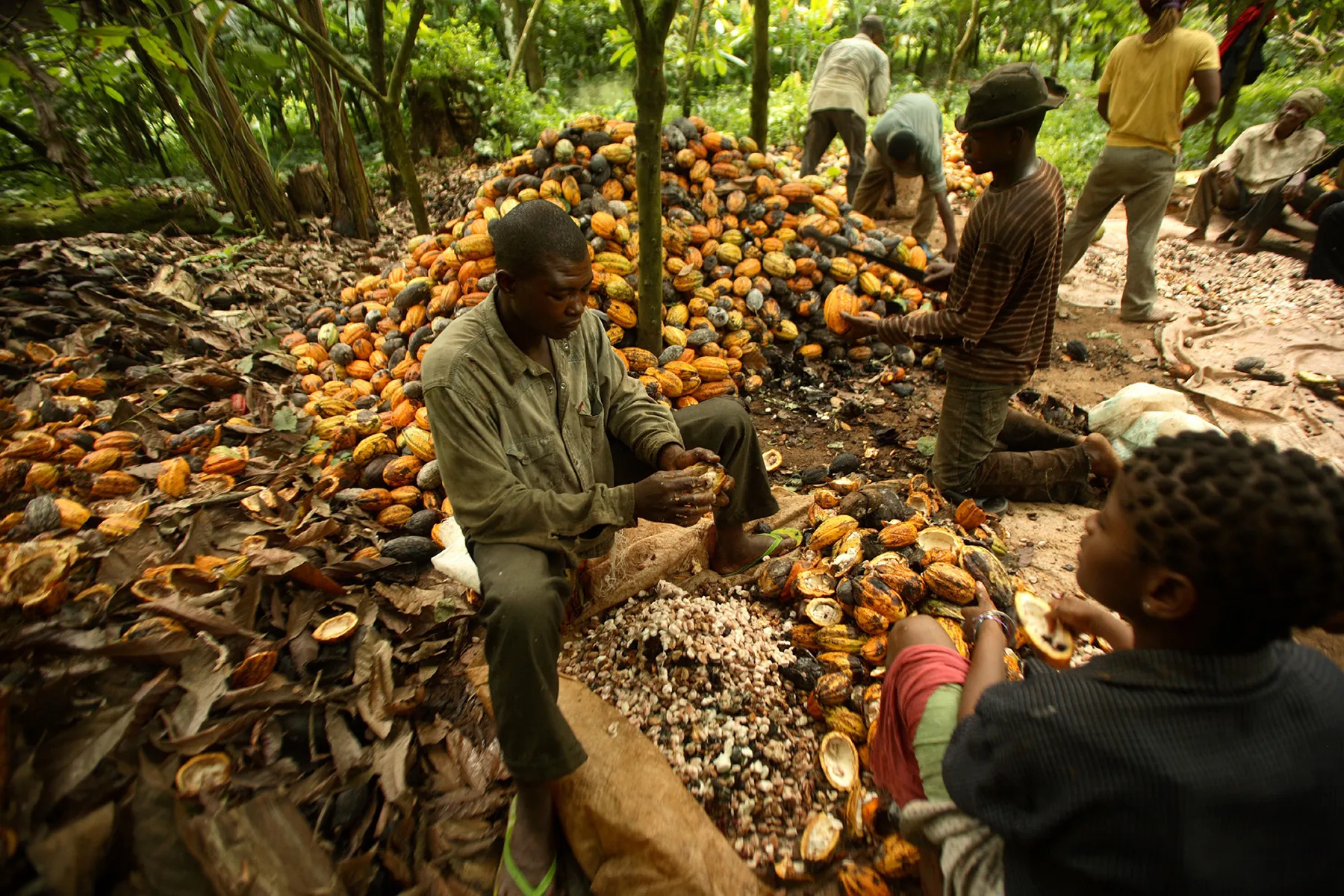
The federal government has announced plans to reclaim the country’s position among the world’s top cocoa-producing countries.
Minister of Agriculture and Food Security, Abubakar Kyari, stated this at the International Cocoa and Chocolate Forum (ICCF 2026) in London, United Kingdom.
Kyari pointed out that the country has natural advantages in cocoa production, including fertile soils, suitable agro-ecological zones, and a deeply rooted farming tradition.
He disclosed that the current administration is committed to supporting sustainable development initiatives, promoting responsible foreign investment, and advancing efforts to increase productivity, expand trade and deepen economic activity across the agricultural sector.
In a statement yesterday by the Head, Department of Information, Ezeaja Ikemefuna, the minister revealed that Nigeria is strengthening economic ties through the African Continental Free Trade Area (AfCFTA) to enhance intra-African trade and global competitiveness.
Other News
He added that Nigeria has gazetted its provisional schedule of tariff concessions and is advancing AfCFTA implementation, projected to boost intra-African trade by 53.3 per cent by 2026, while also engaging with international partners like the EU and CPTPP to promote trade sovereignty.
He stated further that to support sustainable cocoa production, Nigeria has, among others, enacted the Climate Change Act, committed to the European Union Deforestation Regulation (EUDR), established the National Task Force on its compliance, and developed a National Cocoa Development Plan.
The minister outlined Nigeria’s efforts to ensure EUDR compliance, including the establishment of the National Task Force on EUDR Compliance and the development of a White Paper on EUDR implementation, noting that Nigeria aims to convert EUDR compliance into a competitive advantage through public–private partnerships, geospatial capabilities, and innovative financing solutions.
“Nigeria is, among others, focusing on climate-smart agriculture, green compliance, adoption of sustainable practices that enhance crop resilience and mitigate the impacts of climate change, as well as improving farmers’ livelihoods through targeted training, access to finance, and stronger market linkages,” he said.