Follow Us on Google
Stakeholders in Nigeria’s power sector have called for a shift in the country’s rural electrification strategy from simply expanding electricity access to using energy as a catalyst for economic growth, agriculture, job creation and industrial development.
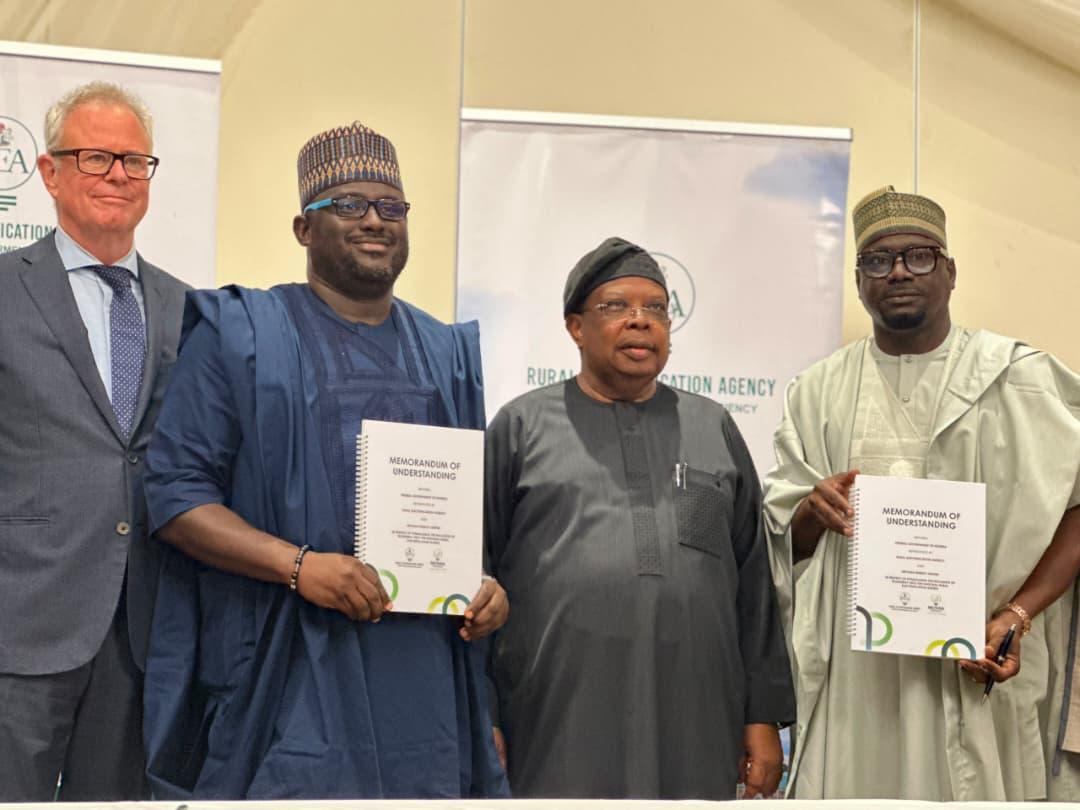
The call came as the Rural Electrification Agency (REA) signed seven strategic Memoranda of Understanding (MoUs) with organisations across the agriculture, housing, renewable energy and youth development sectors to accelerate the productive use of electricity in rural communities.
The agreements were signed on Thursday at the National Stakeholders Engagement Workshop organised by the REA in collaboration with the Economic Community of West African States (ECOWAS) and the Global Off-Grid Lighting Association (GOGLA) in Abuja.
The workshop was themed, “Unlocking and Scaling the Sustainable Adoption of Productive Use of Energy Technologies Across Nigeria: Harmonising Financing Opportunities and Policy Frameworks.”
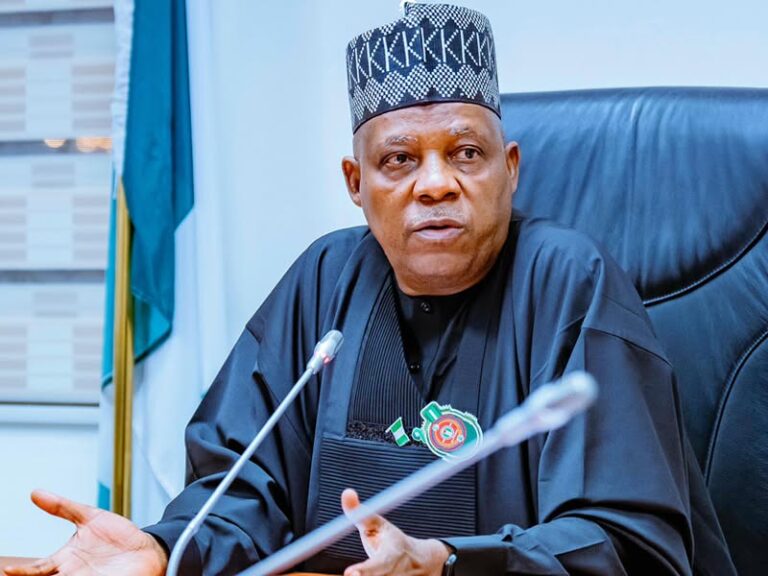
Speaking at the event, the Minister of Power, Joseph Tegbe, said the Tinubu administration is repositioning rural electrification beyond the traditional objective of extending electricity infrastructure to underserved communities.
According to him, the new approach seeks to use electricity as a tool for wealth creation, enterprise development and inclusive economic growth.
“Our approach to energy diversification under the administration of President Bola Ahmed Tinubu reflects a simple but profound truth: rural electrification is no longer about extending wires into communities. It is about extending opportunity. It is about creating prosperity. It is about enabling enterprise. It is about transforming electricity from a social service into an economic catalyst,” he said.
Tegbe argued that success in the power sector should no longer be measured solely by megawatts generated, kilometres of distribution lines constructed or the number of households connected.
“The true measure of success is what electricity enables,” he said, urging policymakers to focus on whether electricity allows farmers to irrigate larger farmlands, processors to add value to agricultural produce, cold rooms to preserve food and rural entrepreneurs to establish viable businesses.
He stressed that electricity only becomes transformational when it powers productive economic activities, noting that the Productive Use of Energy (PUE) agenda sits at the intersection of agriculture, industrialisation, financial inclusion, climate resilience, food security and rural development.
The minister lamented that Nigeria continues to lose significant agricultural value because of inadequate energy infrastructure.
He noted that insufficient cold-storage facilities, limited processing capacity and the high cost of operating productive equipment contribute to post-harvest losses, reduced competitiveness and lost employment opportunities across rural communities.
According to him, expanding access to energy-efficient productive equipment would lower operating costs, improve productivity and increase farmers’ incomes.
Other News
Also speaking, the Managing Director of the Rural Electrification Agency, Mr Abba Aliyu, said stronger collaboration among government institutions, development partners and the private sector is critical to building sustainable energy systems rather than isolated projects.
He explained that while Nigeria has implemented numerous energy and agricultural projects over the years, many failed to deliver lasting impact because they were not supported by enduring institutional structures.
“What we are trying to build today is something different: a system.
Systems do not end when the funding cycle closes. They endure because the institutions that make them work have authority, political backing and a coordination mechanism that holds them together over time.”
He described smallholder farmers and Micro, Small and Medium Enterprises (MSMEs) as the backbone of Nigeria’s food system, stressing that government institutions must work together to connect their fragmented activities into a coordinated national productivity framework.
Aliyu said the workshop was designed to assign clear responsibilities to participating institutions and development partners to ensure long-term impact beyond donor-funded interventions.
As part of the initiative, REA signed partnership agreements with the Agricultural Agenda Nigeria Initiative (AANI), Federal Housing Authority Energy Distribution Limited (FHAEDL), Meyana Energy Ltd, MOPO Nigeria Ltd, NG Electometer Ltd, Ubuntu Energy and the Youth Sustainable Development Network Ltd/GTE.
The partnerships are expected to bridge the gap between electricity access and productive economic activities by promoting clean energy solutions across agriculture, housing, businesses and youth-led enterprises.
Earlier, Senior Adviser and Coordinator of the ECOWAS Regional Off-Grid Electricity Access Project (ROGEAP), Elhadji Sylla, commended the Federal Government for its commitment to expanding regional electricity access through renewable energy.
He said electricity must go beyond household consumption to supporting businesses and income-generating activities.
“Electricity is strategic in reducing poverty, but renewable energy, particularly solar energy, will serve as a key catalyst for accelerating universal access,” Sylla said.
He added that the Regional Off-Grid Electricity Access Project is designed to deepen the off-grid solar market across West Africa, insisting that energy must be deployed as a productive asset capable of driving economic transformation.