Follow Us on Google

From Fred Ezeh, Abuja
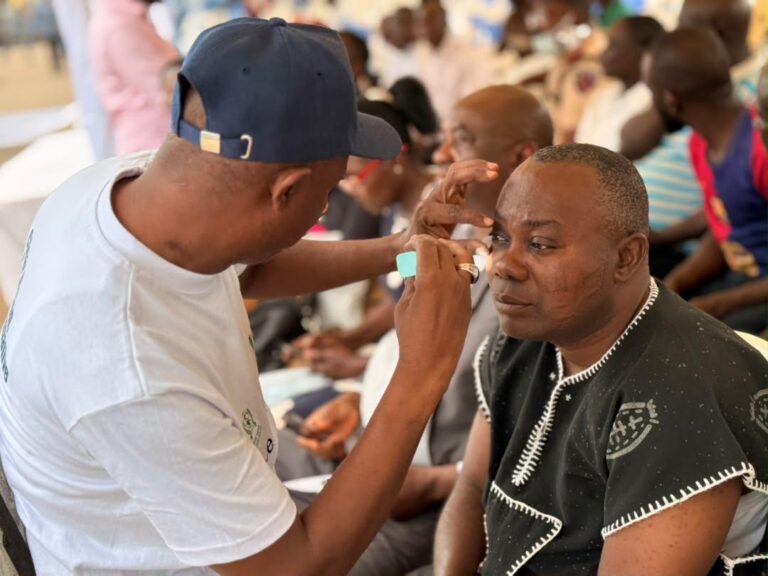
Federal Government has joined forces with Sightsavers, an international non-governmental organization (NGO), to fight the causes of blindness in Nigeria, with the aim of reducing avoidable loss of sight.
Both parties agreed that ignorance has, majorly, been responsible for the protracted eye problems that often result in blindness.
They were optimistic that the first National Eye Health Policy would tackle growing problems of avoidable blindness and vision impairment in the country, making reference to an estimated 24 million people with vision loss in Nigeria in 2020, including 1.3 million that went blind.
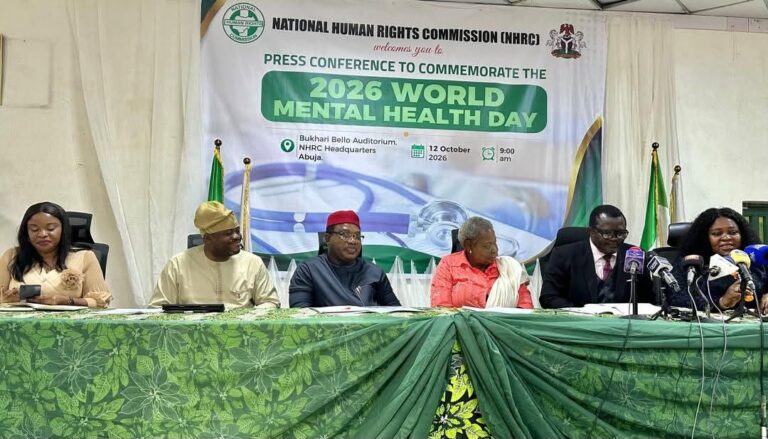
At the launch of the eye policy in Abuja, the minister of state for health, Dr. Olorunimbe Mamora, explained that preventable eye health conditions could be greatly reduced through public awareness and easy access to services.
Mamora disclosed that Nigeria, with other member states at the United Nations General Assembly, recently adopted the Vision for Everyone, which formed accelerating action to achieve the Sustainable Development Goals resolution aimed at committing the international community to eye health for the 1.1 billion people living with preventable sight loss by 2030.
Nigeria country director at Sightsavers, Sunday Isiyaku, in his remarks, explained that Sightsavers was an international organisation working in more than 30 low and middle-income countries to end avoidable blindness, treat and eliminate neglected tropical diseases (NTD), and promote equall opportunity for people with disabilities.
He maintained that Sightsavers’ vision was of a world where no one was blind from avoidable causes and people with disabilities participated equally in society.
He said: “If we are to tackle the eye health burden in Nigeria, everyone has a part to play to ensure that everyone everywhere has access to the eye care they need, from government and state health officials to eye health professionals and organisations like Sightsavers.”
He was optimistic that the eye policy would help provide quality eye health services for all Nigerians and reduce the social and economic impacts that vision impairments cause.
“The new policy is a much-needed investment in eye health, and priority areas include rolling out the policy to all 36 Nigerian states, creating state eye health coordination teams to lead implementation, and advanced training for eye health professionals.
“Others are affordable service for everyone, collaborating with academic, public-private and health partners to improve awareness, service delivery and reducing financial dependency on development organisations.”
Commissioner for Health, Cross River State, Dr. Betta Edu, who spoke on behalf of state commissioners for health, stated that the burden of eye diseases in Nigeria was alarming, and that more collaboration was needed to handle the challenges of eye health.
She expressed commitment, on behalf of all states, to develop action plans to achieve universal health coverage for eye health.