Follow Us on Google

The removal of fuel subsidy has been a contentious issue for many years. Opinions are divided on the desirability or otherwise of the move. Many Nigerians have called for the plan to be shelved now that most Nigerians are grappling with socioeconomic challenges. The opposition to the removal of fuel subsidy stems more from lack of trust, transparency and accountability in the whole exercise. The opposition is further fueled by government’s recent plan to use $800 million World Bank facility to fund subsidy removal palliatives as from June this year.
The Minister of Finance, Budget and National Planning, Mrs Zainab Ahmed, explained that the $800 million would be disbursed to about 50 million Nigerians, especially the most vulnerable. Government is targeting about 10 million households for the exercise, which will receive N5,000 each for a period of six months. The minister also stated that the removal of fuel subsidy was a ‘commitment in the Petroleum Industry Act.’ According to her, ‘a provision in the Act says that 18 months after the effectiveness of the PIA all Petroleum products must be deregulated.’ However, the government will get the approval of the National Assembly before the loan will be disbursed.
For years, the payment of fuel subsidy has been riddled with corruption that many Nigerians don’t know the actual amount spent on it. The figures put forward by the Nigerian National Petroleum Company Limited have often been considered inaccurate. Last year, government claimed it spent N4.8trillion on fuel subsidy. Recently, the Nigeria Extractive Industries Transparency Initiative (NEITI) said the federal government spent N13trillion on fuel subsidy in 16 years. According to the Executive Secretary of the agency, Dr. Orji Ogbonnaya Orji, the amount spent on subsidy may increase to N19 trillion in 17 years if the estimated N6trillion for subsidy between 2022 and 2023 is added.
The controversy over fuel subsidy is hardly surprising. It predates this administration. It is paradoxical that Nigeria’s corrupt subsidy regime benefits a few privileged individuals and their foreign collaborators in the oil industry to the detriment of most Nigerians. No doubt, the amount used for subsidy in the last 16 years can fix the power sector and revamp education, health and roads. The government is already battling with issue of trust over the $800million World Bank facility, which will not be enough to address the pains of fuel subsidy removal.
According to the agreement reportedly reached between the Ministry of Finance, Budget and National Planning and the International Development Association (IDA) the concessional lending arm of the World Bank, $53 million of the loan will be spent by the Finance Ministry on hiring staffers, office administration/committee overhead and other logistics. It has also been reported that the sum of $23.3 million was allegedly paid to consultants to secure the loan, an allegation the Finance Minister has flatly denied. Nigeria’s Special Drawing Right with the IMF stands at $565.3million. This is an amount deposited as collateral at the IDA before Nigeria will access the $800million to fund the subsidy removal palliatives.
The federal government should tread cautiously in its bid to remove the fuel subsidy to avoid unexpected backlash. Subsidy removal and the much-touted full deregulation of the oil industry make some economic sense. If it is properly and effectively implemented, it will boost investments in the sector and revamp the economy. It could also address Nigeria’s rising debt stock currently put at N46.25trillion, as well as curb the pervasive corruption in the sector. But Nigeria’s experience with subsidy removal has not been seamless.
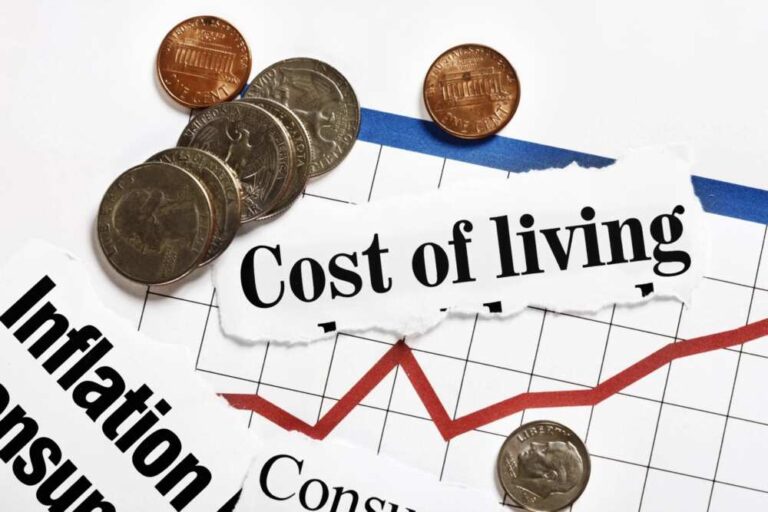
The removal of fuel subsidy at this point in time without adequate palliatives put in place for over 200 million Nigerians, the exercise will likely trigger social unrest of unimaginable proportion. It will further increase inflation beyond the present 22.4 per cent, the highest in two decades. It could also heighten the state of insecurity across the country.
Let the government build more refineries so that we can produce enough petroleum products for domestic consumption and exports before contemplating fuel subsidy removal. It can in the interim curb the malfeasance associated with the administration of the fuel subsidy. With enough political will, the government can tackle oil theft effectively.
It is sad that Nigeria lost N16trillion to oil thieves from 2005 to 2021. Although the current administration has spent over N2trillion on Social Investment Programme (SIP), the impact has not been felt by millions of vulnerable Nigerians. Nigeria has about 133 million people who have sunk into multidimensional poverty. About 24.2 million people are also reported to be facing acute food insecurity. Our refineries must be made to work before any realistic move to scrap fuel subsidy.