Follow Us on Google
From Juliana Taiwo-Obalonye, Abuja
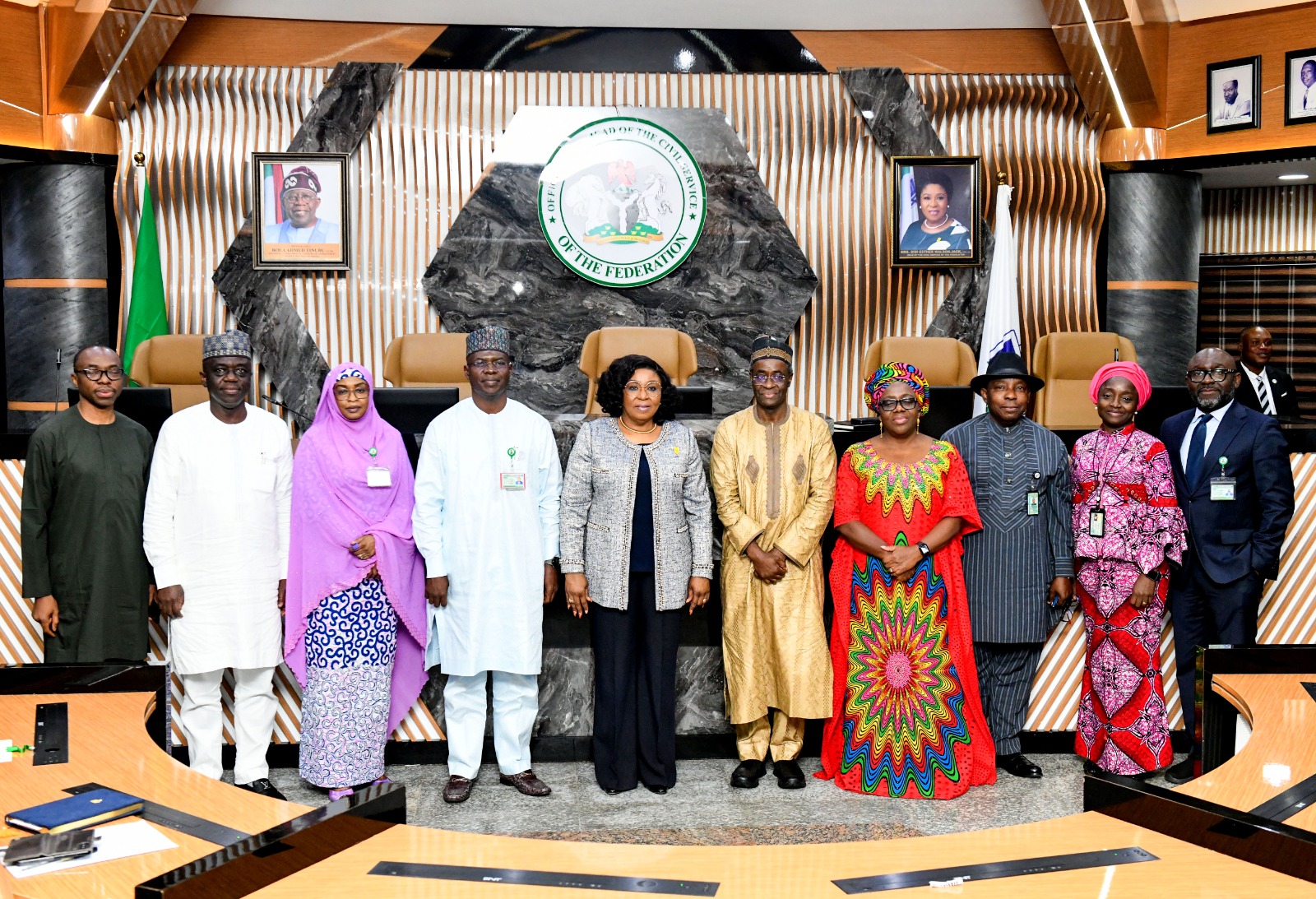
The Federal Government has inaugurated two critical committees to conduct a comprehensive Personnel Audit and Skills Gap Analysis in a move to enhance efficiency and professionalism within the Nigerian civil service.
Speaking at the inauguration, Head of the Civil Service of the Federation (HCSF), Didi Walson-Jack, the machinery of governance can only function effectively when powered by the right calibre of human capital, strategically deployed and continuously developed.
She explained that the audit will create a verified, digital personnel database that links employees’ National Identification Numbers (NIN) and Bank Verification Numbers (BVN). “This will eliminate ghost workers, rectify inconsistencies in staff records, and produce an accurate profile of the workforce.”
The initiative aims to identify current and future skills shortages in critical areas such as information and communication technology (ICT), project management, public finance, and data analysis. By pinpointing these gaps, the government expects to revamp training programs to meet specific capacity development needs. Additionally, the audit will leverage the Human Resource Management Information System (HRMIS) to digitalize human resource processes, improve control, and foster cost-efficiency by curtailing financial leakages and redundancies.
“This is a developmental exercise, not a punitive one. It is a data-driven reform designed to reposition the Federal Civil Service to meet present challenges and prepare for future demands.” She charged both committees to begin their work immediately, stressing the importance of professionalism, diligence, and integrity. She noted that “the successful completion of this exercise will lay a strong foundation for a Civil Service that is efficient, productive, incorruptible, and citizen-centered.”
Other News
The newly inaugurated Steering Committee, headed by Walson-Jack, includes key government figures such as Permanent Secretaries, the Accountant-General of the Federation, the Director-General of the Budget Office, and representatives from the Presidency and consulting firms.
The committee’s role is to provide policy direction, approve milestones, and ensure the project aligns with the Federal Civil Service Strategy and Implementation Plan (2021-2025).
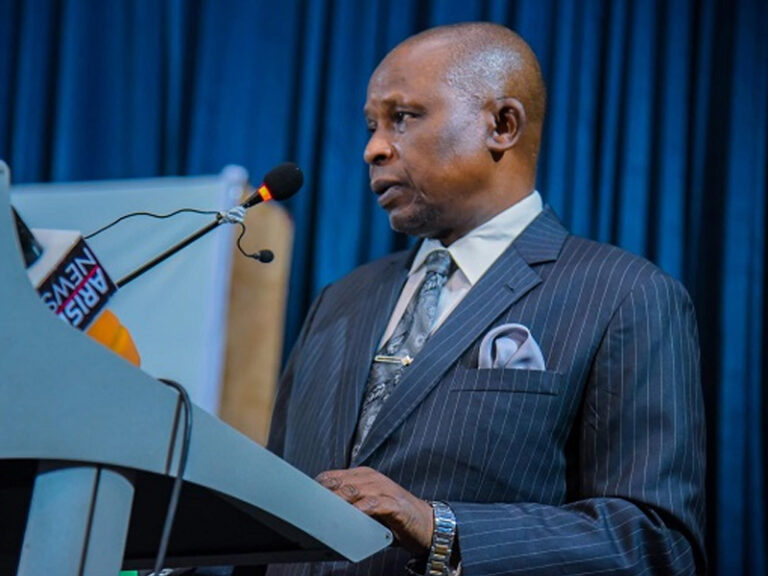
Operational oversight lies with the Project Implementation Committee, chaired by Danjuma Kalba, Permanent Secretary of the Common Services Office (OHCSF). This committee comprises senior officials from the OHCSF, representatives from the Accountant-General’s office and the Federal Civil Service Commission, as well as retired senior civil servants with technical expertise. Dr. Kalba explained that the committee will oversee methodology validation, data gathering, compliance, and timely reporting.
In her remarks, Permanent Secretary of the Service Policies and Strategies Office, Deborah Odoh, described the initiative as “a significant step towards an efficient, productive, and effective Civil Service,” reaffirming the OHCSF’s commitment to building a professional and accountable workforce capable of driving Nigeria’s development.
Kalba also praised President Tinubu’s approval of the reform, emphasizing, “This is not a routine administrative procedure but a bold strategic initiative aligned with the Renewed Hope Agenda. It is aimed at strengthening institutions and ensuring value for money in governance.”
The Steering Committee is expected to conclude its work within six months, while the Project Implementation Committee will deliver its findings and outputs within four months.