Follow Us on Google
From Adanna Nnamani, Abuja
The Federal Government has denied allegations of hidden spending and diversion of revenue in allocations by the Federation Account Allocation Committee (FAAC), describing such claims as misleading and based on a misinterpretation of fiscal data.
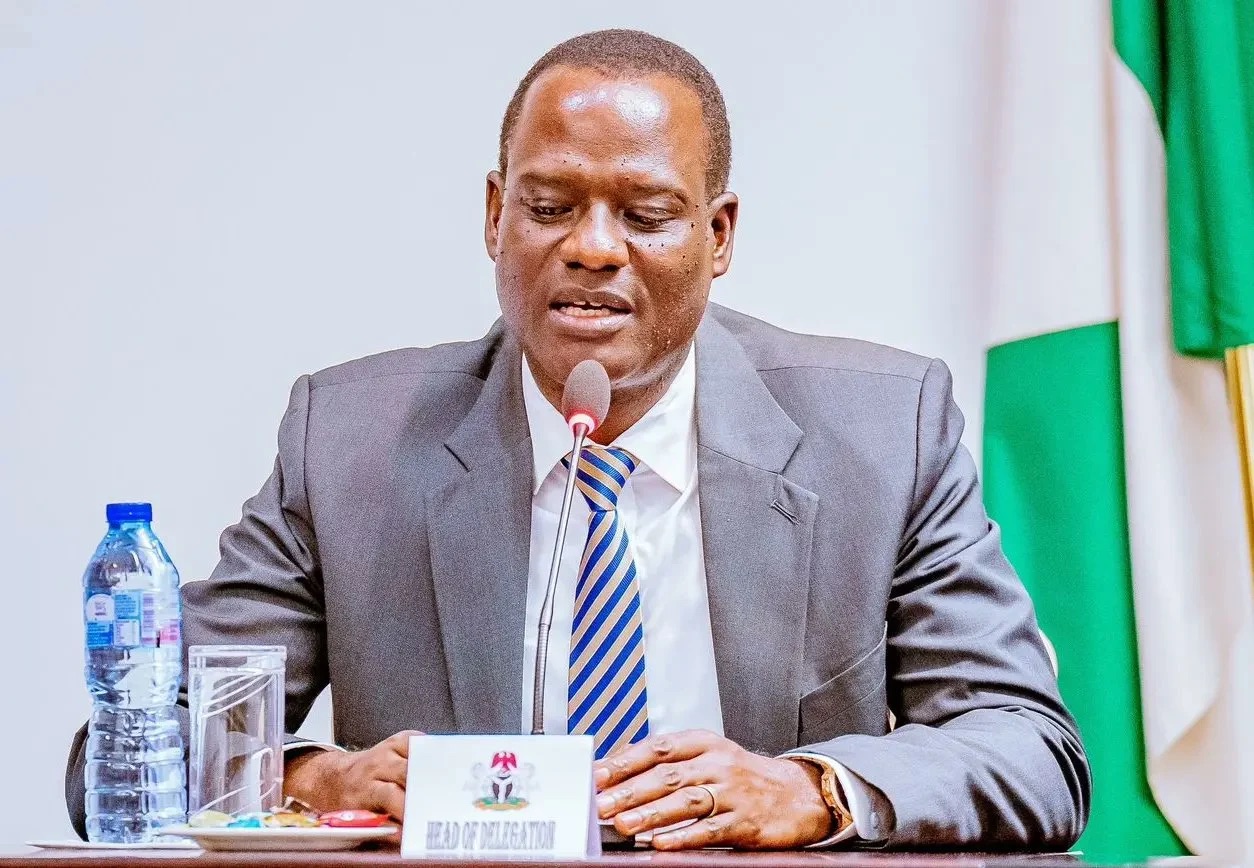
In a statement issued over the weekend, the Minister of State for Finance, Mr Taiwo Oyedele, said recent media reports and commentaries had wrongly interpreted findings from the latest Nigeria Development Update by the World Bank, leading to inaccurate conclusions about the management of federation earnings.
Oyedele rejected assertions that FAAC deductions represent waste or missing funds, explaining that the deductions are legitimate components of Nigeria’s fiscal framework.
He noted that such deductions cover statutory transfers, savings and investments, security-related expenditures, cost-of-collection charges, and refunds to Ministries, Departments and Agencies (MDAs), as well as transfers to subnational governments.
According to the minister, refunds and transfers to states and other tiers of government should not be classified as leakages, as they reflect lawful financial obligations and allocations backed by statute.
Oyedele also criticised the selective use of outdated data by some commentators, arguing that such analyses fail to capture recent reforms aimed at improving transparency and revenue management.
Other News
The Minister further highlighted measures introduced in early 2026, including an executive order to ensure the full remittance of petroleum revenues, which he said are already addressing concerns around deductions. The minister added that the reforms are expected to increase revenues available to all tiers of government by about 0.4 per cent of Gross Domestic Product (GDP) annually.
Oyedele said the World Bank report presents a broadly positive outlook for Nigeria’s economy, citing more broad-based economic growth, easing inflation driven by policy actions, and improvements in the country’s external position, including stronger reserves and a current account surplus.
“These developments reflect the outcomes of the current administration’s ongoing macroeconomic policies and public financial management reforms.
“The World Bank does not conclude that Nigeria’s fiscal system is collapsing or that reforms have failed. Rather, it states that reforms are working, and they must be sustained and deepened to translate macroeconomic gains into inclusive growth.
“The Federal Government remains committed to strengthening fiscal transparency, improving revenue mobilisation, ensuring efficient public spending, and deepening reforms to support inclusive economic growth,” he said.
The minister urged media organisations and stakeholders to engage responsibly with fiscal information to avoid misinterpretations that could undermine ongoing reforms and public confidence.
“An accurate understanding and responsible reporting of fiscal information are critical to maintaining confidence in Nigeria’s reform trajectory and economic outlook,” he added.