Follow Us on Google

The federal government has restated its commitment to sustainable financing and green investment in a bid to accelerate economic growth, reduce poverty, and promote inclusive development across the country.
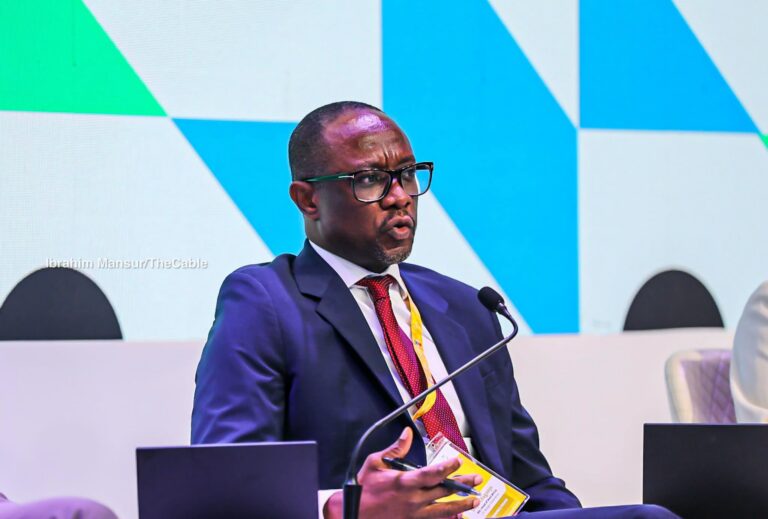
Minister of Budget and Economic Planning, Senator Abubakar Bagudu, gave the assurance at a High-Level Roundtable on Mainstreaming Financial Guarantees in Nigeria hosted by the Ministry of Solid Minerals Development. Bagudu said financial guarantees remain critical tools for unlocking investment, reducing risks in key sectors, and supporting Nigeria’s transition to a greener and more resilient economy. He commended stakeholders for convening discussions on innovative financing models to address development and climate-related challenges, while also appreciating the German government for its continued support for reform-driven initiatives in Nigeria.
According to him, guarantee instruments have proven globally to be effective in mobilising private capital into sectors that are often considered high-risk, citing the World Bank’s Multilateral Investment Guarantee Agency (MIGA) as an example of successful risk-sharing frameworks that attract investment into strategic areas.
The minister noted that Nigeria is already strengthening its domestic guarantee systems through initiatives such as the proposed National Credit Guarantee Agency, which he said aligns with the Federal Government’s broader push to expand access to finance and stimulate economic activity. “We are pleased to have this opportunity to deepen our understanding of the work of the Green Guarantee Group and, more importantly, explore how Nigeria can partner more effectively to maximise the benefits of guarantee mechanisms in ways that support economic expansion while advancing green and sustainable development priorities,” he said.
Bagudu said ongoing macroeconomic reforms are improving Nigeria’s attractiveness to investors, but stressed that green and climate-sensitive sectors still require targeted financing solutions to bridge existing funding gaps.
He identified environmental and climate challenges as key drivers of poverty and insecurity, particularly in rural areas where access to water, irrigation, and agricultural infrastructure remains limited due to financing constraints.
Using agriculture as an example, he said inadequate irrigation systems continue to weaken productivity and deepen inequality, adding that financial guarantees could help reduce investment risks in such critical sectors.
Other News
The minister also called on multilateral institutions to scale up innovative guarantee frameworks that can mobilise more capital for developing countries, noting that global organisations such as the United Nations have the expertise and credibility to support such efforts.
He urged Nigeria to take a more proactive approach in leveraging guarantee mechanisms by identifying investment opportunities, strengthening partnerships, and aligning policy frameworks to attract capital into priority sectors.
Bagudu added that mainstreaming green guarantees may require policy, financial, and accounting reforms to ensure effective implementation and stronger incentives for sustainable investment.
Reaffirming the ministry’s commitment, he pledged continued collaboration with the Ministry of Finance, development partners, and state governments to strengthen budget frameworks that support green investments across all 36 states and the Federal Capital Territory.
He linked the initiative to Nigeria’s broader ambition of building a one-trillion-dollar economy, expressing confidence that structured green financing could help drive inclusion, prosperity, and long-term sustainable development.
“We must continue to work together to build a more sustainable ecosystem that delivers lasting benefits for all Nigerians,” he said.