Follow Us on Google
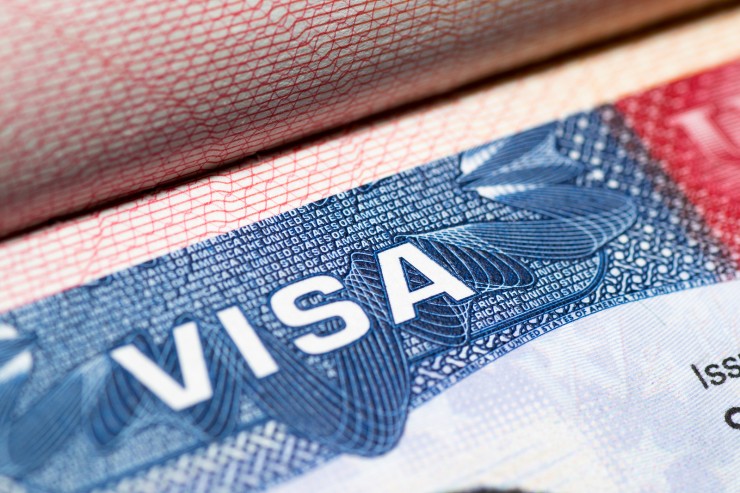
Recently, the United States took the boldest step yet in its sweeping efforts to curb immigration, and announced a visa ban on Nigeria and 74 other countries. Barely a week earlier, Washington unveiled a new visa bond requirement of up to $15,000 (over N21 million) for nationals of 38 states, including Nigeria, effective January 21, 2026.
These measures are not abstract policy shifts. They are loud signals—echoing across continents—that America intends to slam its doors ever tighter against the global flow of people. For anyone familiar with the current U.S. administration, this should come as no surprise. President Donald Trump has made border control the centerpiece of his approach to both domestic politics and foreign policy.
Early this year, he published figures purporting that Nigerian households accounted for 33.3 percent of immigrants drawing welfare support in the U.S.—a stat that has since been seized upon to justify harsher immigration measures. Whether those figures are accurate, exaggerated, or misleading matters less politically than the fact that they are being used to justify broad restrictions.
No matter the numbers, the policy’s immediate effect will be painful for individuals. Nigerians are renowned travellers and the US is a preferred destination. In 2024, a total of 70,621 Nigerians were issued US visas. Of the tally, 63,313 were non-immigrant visas—Abuja accounting for 30, 222, Lagos 33, 091, while 7, 308 persons obtained US immigrant visas, according to a newspaper report. In light of the travel restrictions, as many as 5, 000 Nigerian visa applicants will face additional hurdles, reports suggest.
Beyond those personal consequences lies a broader diplomatic strain on long-standing ties between Abuja and Washington. The United States is not alone in tightening its borders. The European Union also has similar policies, albeit in more restrained terms.
In the United Kingdom, the governments of Boris Johnson, Liz Truss and Rishi Sunak vigorously pushed the agenda of sending “illegal immigrants” and “asylum seekers” to Rwanda. Indeed, the first flight for the plan—cleared by the High Court of Justice—was scheduled for June 14, 2022. Only a last-minute intervention by the European Court of Human Rights halted the Rwanda plan. Prime Minister Keir Starmer scrapped it but tighter border controls endure.
The US actions, however, are striking in their scale and abruptness, reinforcing the narrative that foreigners—especially those from Africa, Latin America, and parts of Asia—are increasingly unwelcome in a once-open society.
For Nigeria, the instinctive response must be diplomatic engagement. It is entirely reasonable and necessary for Abuja to push for the removal of its name from the restriction list and to clarify data or misunderstandings that may have contributed to the decision.
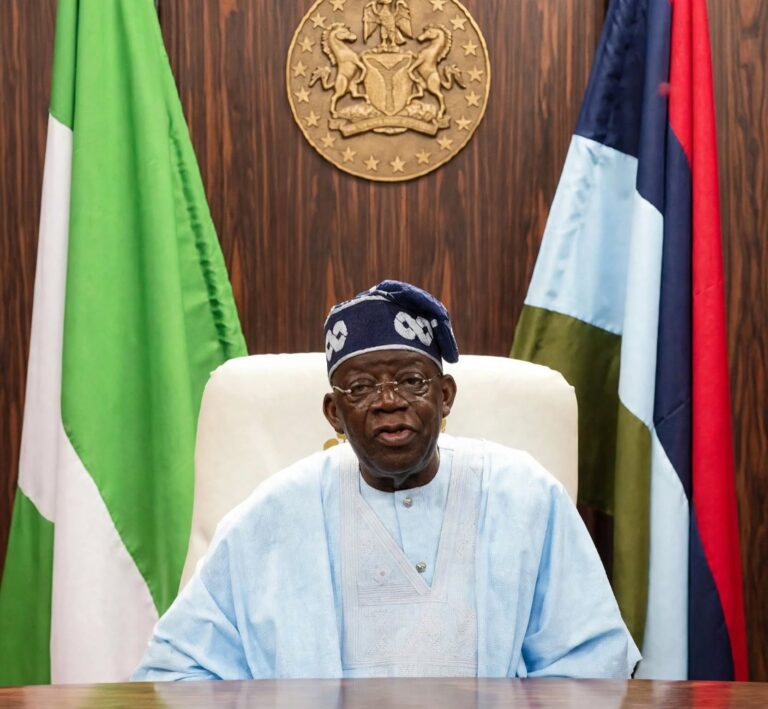
But Nigeria finds itself in an awkward position. Its diplomacy is hamstrung by chronic inaction at home. After more than two years in office, President Bola Tinubu only recently compiled a controversial list of ambassadorial nominees, and few have been deployed. At a moment when seasoned envoys are vital to defend Nigerian interests abroad, the country has none in place to press its case in Washington or Brussels.
Yet, there is a larger truth buried in this ugly policy shift. The problem is not solely the United States’ closing gates; it is Nigeria’s long-neglected need to govern itself better. The most effective way to reduce restrictive measures imposed on its citizens is to address the conditions that make such measures politically palatable abroad.
Numbers on welfare usage and visa abuse, whether fair or unfair, are symptoms, not causes. They reflect deeper issues. A domestic economy that leaves millions with scant opportunity; insecurity that drives citizens in search of safety elsewhere; porous borders and weak institutions; and a government that often fails to meet its responsibilities.
Nigerians remain among the most migratory peoples in the world precisely because their homeland has too often failed to deliver security, opportunity, and dignity.
Fix the country, and migration pressures would ease. Stronger governance, transparent institutions, effective security and a vibrant economy would reduce the desperation that fuels irregular travel and make restrictive policies abroad harder to justify.
Diplomacy has its place. But awaiting decision-makers in foreign capitals to reverse policies borne of frustration and fear is a weak strategy if not accompanied by tangible reforms at home. Governing well is not just a moral imperative; it is a strategic necessity in a world that increasingly prizes self-interest over sentiment.
Nigeria’s response to the U.S. visa ban should be twofold: engage patiently and persistently with Washington, while simultaneously undertaking the hard internal work that makes such bans unnecessary. Without both, Abuja risks treating the symptom while ignoring the disease.
If there is a blessing in this diplomatic maelstrom, it is this: the world’s shifting gates could catalyse a long-overdue recalibration of governing priorities in Nigeria. Let our leaders do the right thing now.