Follow Us on Google
• Set oil production benchmark of 2.06m bpd for 2026, opts for 1.8m bpd figure in fiscal planning
• Pegs oil price at $64 per barrel, exchange rate at ₦1,512
• Okays $100m Youth Loan, $50m Yobe Agric Fund
From Juliana Taiwo-Obalonye, Abuja
The Federal Executive Council (FEC), presided over by President Bola Tinubu, has approved the 2026–2028 Medium-Term Expenditure Framework (MTEF), outlining Nigeria’s economic outlook, revenue targets, and spending priorities for the next three years.
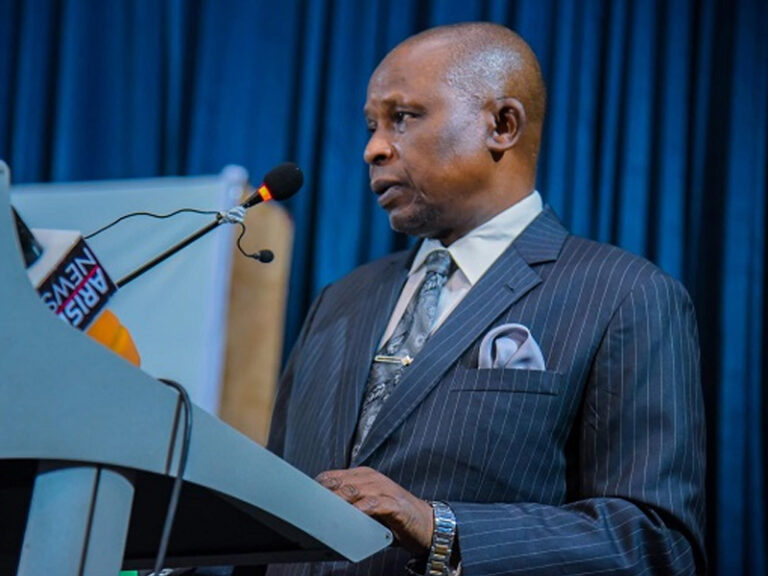
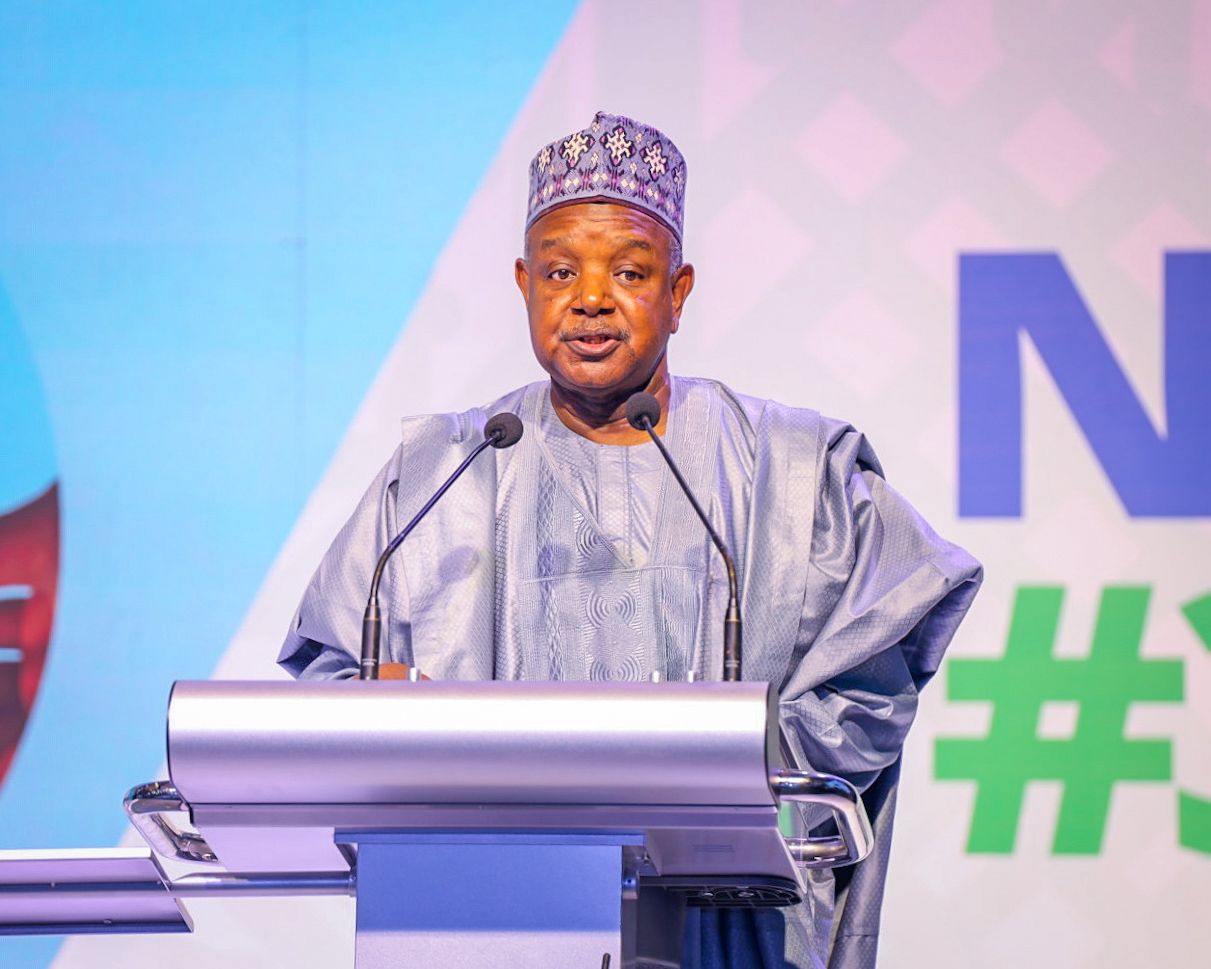
After Wednesday’s session, the Minister of Budget and National Planning, Atiku Bagudu, briefed State House correspondents, noting that the MTEF was presented by the Budget Office of the Federation, headed by its Director-General, in collaboration with his ministry.
Bagudu explained that the framework introduces a major innovation by distinguishing between target oil production and benchmark oil production. The Council set an oil production benchmark of 2.06 million barrels per day for 2026 but opted for a more cautious 1.8 million barrels per day in the fiscal planning. Oil price was pegged at $64 per barrel, with an exchange rate of ₦1,512 to the dollar assumed for the upcoming budget year.
The exchange rate forecast, he said, reflects the fact that 2026 is an election year, with all parameters derived from thorough macroeconomic and fiscal analyses. Inflation is projected to average 18% in 2026.
Based on these assumptions, total revenue accruing to the Federation in 2026 is estimated at ₦50.74 trillion, to be shared among the three tiers of government: the Federal Government (₦22.6 trillion), states (₦16.3 trillion), and local governments (₦11.85 trillion).
When revenues from all federal sources are consolidated—including ₦4.98 trillion from government-owned enterprises—total Federal Government revenue for 2026 is projected at ₦34.33 trillion, a ₦6.55 trillion or 16% decline from the 2025 estimate.
Bagudu added that statutory transfers are projected at about ₦3 trillion, debt service at ₦10.91 trillion, and non-debt recurrent expenditure—personnel and overheads—at ₦15.27 trillion. The fiscal deficit for 2026 is estimated at ₦20.1 trillion, equivalent to 3.61% of GDP.
The MTEF document further projects nominal GDP at over ₦690 trillion in 2026, rising to ₦890.6 trillion by 2028. Non-oil GDP is forecast to increase from ₦550.7 trillion in 2026 to ₦871.3 trillion in 2028, while oil GDP is expected to expand from ₦557.4 trillion to ₦893.5 trillion during this period. GDP growth for 2026 stands at 4.6%.
Other News
Bagudu said the President believes that macroeconomic stability is taking root, and that faithfully implementing the MTEF and sustaining reforms will place Nigeria on a stronger growth path through 2028.
Additionally, the FEC reviewed ministerial input before approving the Medium-Term Fiscal Expenditure Ceiling (MFTEC)—a policy guideline to control spending and encourage fiscal discipline.
Finance Minister and Coordinating Minister of the Economy, Wale Edun, highlighted the MTEF as the meeting’s central agenda. He also announced a $100 million African Development Bank loan for the Nigeria Youth Investment Fund, targeting entrepreneurs aged 18–35, particularly SMEs.
The Council also endorsed $50 million funding from the Islamic Development Bank for an integrated agricultural initiative in Yobe State to boost food security and rural livelihoods.
Edun said President Tinubu praised the cabinet’s commitment to the Renewed Hope Agenda and recent economic resilience—GDP grew by 3.89% in the third quarter of 2025, inflation has begun to ease, and agriculture and industry are strong. However, the growth rate remains below the President’s 7% target—seen as vital for lifting millions out of poverty.
Tinubu directed Ministries, Departments and Agencies (MDAs) to prioritise capital expenditure on growth-enhancing and job-creating projects, with the economic management team streamlining priorities for final approval.
President Tinubu lauded the Council’s efforts but urged acceleration in economic reforms. Highlighting GDP growth improvements, he insisted the pace still falls short of his administration’s 7% ambition, demanding clearer results from future government investment.