Follow Us on Google

Aloysius Attah, Onitsha
There is a saying in Igbo that “Nkwucha aburo ujo;” meaning that early preparation is not a sign of fear.
Aware of its peculiar place as one of the flood prone states coupled with the ugly scar of the 2012 flood disaster that not only claimed lives but displaced thousands of people with monumental losses in crops and property in several communities, the Anambra State Government would not want to be taken unawares again. As the rainy season gets underway, the apprehension has been that another flood may be experienced.
Already, River Niger is rising in water volume extending to areas previously dry while experts, the Nigerian Meteorological Agency (NIMET) and Nigeria Hydrological Services Agency (NIHSA), have also sounded the alarm.
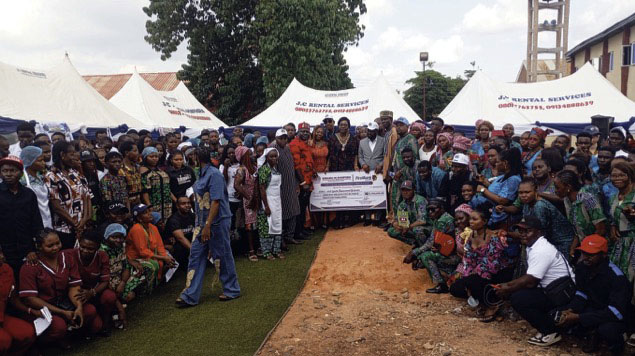
Eight local government areas of Ayamelum, Ogbaru, Onitsha North, Onitsha South, Anambra West, Anambra East, Awka North and Ihiala have been predicted to witness flooding this year. As part of proactive measures towards tackling the impending flood, government in collaboration with the World Health Organisation (WHO) recently organised a community sensitisation programme in Odekpe, Ogbaru Local Government.
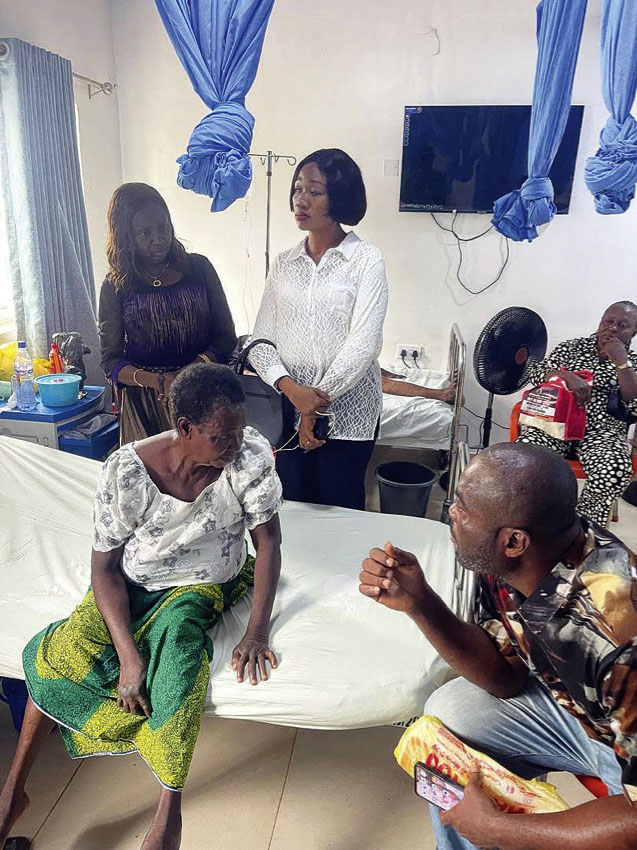
The government has also set up mobile health camps in the eight flood prone local governments. Participants at the programme were sensitised on flood early warning system and flood related disease outbreak preparedness and response.
They also benefitted from free medical treatment of basic ailments and counselling sessions. They were also told to take various steps if they notice rising water levels in their community or neighbourhood. Some of the steps included alerting the authorities, moving out of the flood area immediately and avoiding drinking of floodwater, using it to wash dishes, brush teeth, washing or preparing food. The community members were further advised to ensure chlorination of public source of water.
According to the WHO, flood increases the risk of spread of water borne diseases like cholera, typhoid, fever, hepatitis A and leptospirosis as well as such vector borne diseases as malaria, yellow fever and dengue fever.
Commissioner for Health, Dr Vincent Okpala, said, “government is determined to ward off any unwarranted complications that may set in if caught unawares by the predicted flooding. Community members should apply the knowledge they garner once they see that the water level is rising.” He applauded Governor Willie Obiano for his effort during the last flood, which attracted the attention of the international community to partner with the state in the exercise.
State Coordinator of WHO, Dr Chukwumuanya Igboekwu, said following the request by government to prepare for the 2019 flood, the WHO got support from the United Nations Central Emergency Response Fund (UNCERF), saying that they have carried out such sensitisation programmes in the eight local government areas in terms of capacity building as well as early warning and preparedness.
He said the beneficiaries were taken on flood-related health emergencies surveillance, early case detection and investigation of all reported outbreaks of cholera and other epidemic prone diseases including yellow fever and malaria:
“We are doing the humanitarian aspect of the flood, making the people realise that you don’t have to wait till the flood gets to your neck before you take precautionary measures to save your life. We have trained community members on flood early warning systems. How to recognise danger signs of rising water levels and the channels of reporting it. We are working in eight local government areas and the WHO is supporting the state to strengthen flood preparedness and response in these areas that are most prone to experiencing flood.
“WHO is supporting the state in the establishment of emergency preparedness and response committees comprising the stakeholders which includes, health workers, health managers, security agents, traditional rulers, veterinary doctors, local government political leadership among others.
“The WHO also supported the establishment of Rapid Response Team, the technical team of health experts that act once there is a reported case of disease outbreak. They respond very fast and within 48hrs they are already there investigating, giving treatment and enhancing surveillance.
“We have also established a surveillance network in all the wards in the local government where trained community informants already trained in detecting the case definitions of all the epidemic prone diseases like cholera, yellow fever, malaria. They live within the communities and act like intelligence officers who recognise the diseases, pick them and report to the next level.”
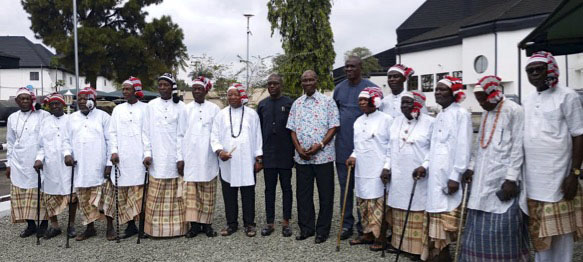
President General of Odekpe Progressive Union (OPU), Mr Vincent Okei, expressed gratitude to government for always paying attention to Odekpe once it concerned health issues. He lamented the ravaging effect of flood in recent times and which according to him, calls for worry and urged his people to be careful and heed government calls and directives at all times.
A member of the community, Mrs Njideka Okechukwu, said they have become familiar with flood, though she had not done anything to prepare for it, but promised to put the teachings given to them to practice.