Follow Us on Google

From Juliana Taiwo-Obalonye, Abuja
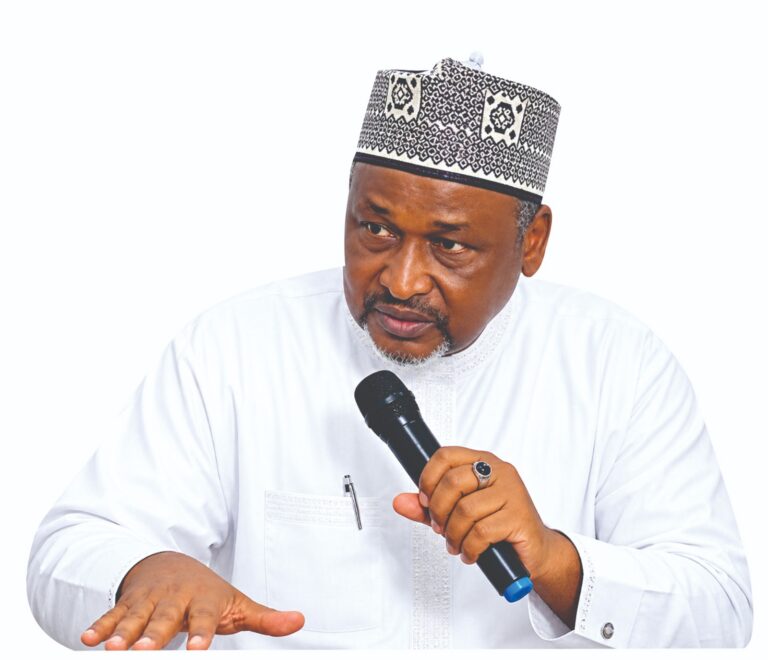
Mandate Secretary of the FCT Education Secretariat, Danlami Hayyo, has slammed the Nigeria Union of Teachers (NUT) FCT Wing over its ongoing strike, warning of a looming West African Examinations Council (WAEC) crisis as exams begin nationwide Tuesday. The action has sparked division among educators, with the Academic Staff Union of Secondary Schools (ASUSS) FCT Chapter announcing its members—mainly secondary school teachers—will not join the industrial dispute.
Speaking during a school inspection on Monday, Hayyo expressed alarm at reports of NUT members forcibly ejecting eager students and teachers from classrooms, despite an initially impressive turnout. “I was initially impressed by the high turnout of both students and teachers ready for learning. However, the NUT has chased pupils out of some schools. I do not believe it is constitutionally right for a union to forcefully eject students who are eager to learn,” he noted.
Hayyo questioned the strike’s timing, urging NUT to prioritise students’ futures. “How can you expect your sons and daughters to write their exams tomorrow when you are chasing them out of school today? You are demoralising them; psychologically, this could lead to mass failure. WAEC will not reschedule its calendar specifically for FCT students. Do you want them to miss this opportunity entirely?” he asked.
Defending the Wike administration’s efforts, Hayyo highlighted over 100 school renovations and last year’s payment of 40% of teacher entitlements by FCT Minister Nyesom Wike. He stressed that many grievances fall under Local Education Authorities (LEA) and Area Council Chairmen, not the central administration, and called for negotiations over disruption.
“I am tired of this cycle of strikes. For effective learning and quality education, industrial action is not the best path. If we continue to discourage these children now, they may retaliate when they become the leaders of tomorrow,” he stated.
In a parallel development, ASUSS FCT Chairman, Julius Ogundiran said that his union, an independent body for secondary school teachers, would stay at their duty posts. Citing Section 40 of the 1999 Constitution on freedom of association and Section 12(4) of labour laws, he affirmed: “ASUSS is an independent professional body, mainly for the secondary school teachers, with its own constitution, structure and leadership. Our members (secondary school teachers) are not subject to the authority or directives of the NUT.”
Ogundiran noted promotion issues— a key NUT trigger—have been “substantially addressed” via the Head of Service and relevant commissions, with letters issuing in batches. He added that the Joint Union Action Committee (JUAC) had engaged productively, rendering the strike “unnecessary” for ASUSS. However, he raised alarms over “credible reports of intimidation, harassment and attempts to obstruct” members from working, allegedly by NUT enforcers.
He demanded government directives and a circular protecting ASUSS rights. “ASUSS remains committed to maintaining industrial harmony, upholding professional standards and ensuring the uninterrupted delivery of quality education within the FCT,” Ogundiran concluded.
The Education Secretariat echoed calls for NUT to shelve “selfish interests” and resume teaching, warning the strike risks reversing gains in reducing out-of-school children.
Other News