Follow Us on Google
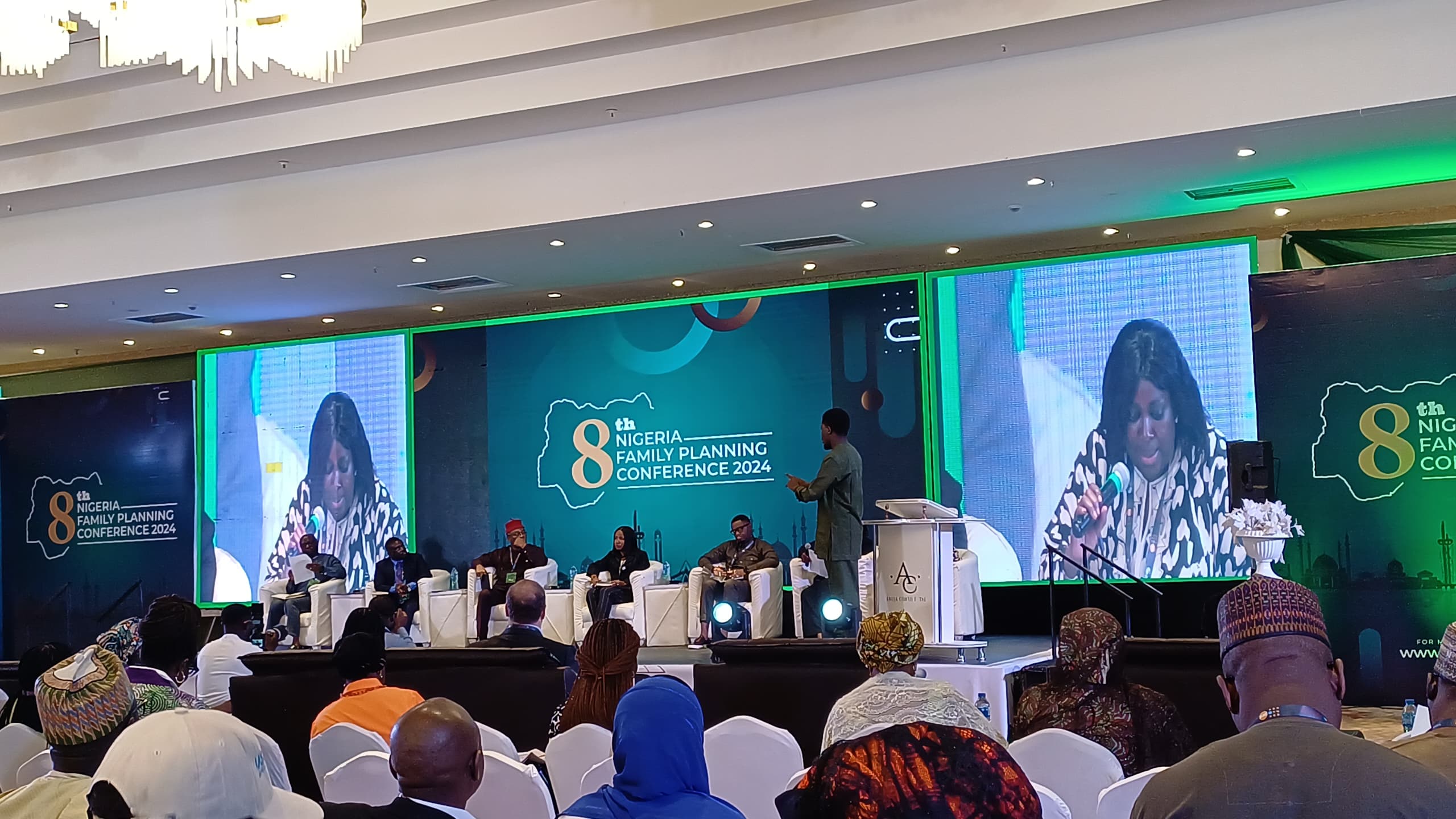
Stakeholders in the health sector across the world will start deliberations today at the eighth biennial Nigeria Family Planning Conference (NFPC) hosted by the Association for the Advancement of Family Planning (AAFP).
The event is designed to catalyse sustained commitment and collaborative action among stakeholders to advance progress in family planning initiatives in Nigeria, with a specific focus on bridging the gap between policy intentions and effective service delivery.
Holding at the Abuja Continental Hotel, the conference will be chaired by Prof Isaac Adewole, former Minister of Health with a keynote address by Ms. Amina J Mohammed, deputy Secretary General of the United Nations. Other guests attending the event include Benjamin Kalu (Deputy Speaker), Nasir Isa Kwara (National Population Commission), Dr. Salma Ibrahim Anas (Special Adviser to the President on Health, Sen. Ipalibo Banigo (Senate Committee Chairman on Health) and representatives of international donor agencies like Bill and Melinda Gates Foundation, Children Fund International and USAID.
The eighth Nigeria Family Planning Conference whose pre-conference activities commenced on Monday December 2 with ‘Women Pre-conference’ and ‘Youth and the Interfaith Pre-conference’ on December 3.
Other News
According to the Dr. Ejike Oji, chairman of the Local Organising Committee of the Nigeria Family Planning Conference, “The 8th Nigeria Family Planning Conference (8th NFPC) serves as a critical intervention amidst Nigeria’s economic downturn by addressing the multifaceted challenges faced by households, health facilities, institutions, and the government. By focusing on sustainable commitment and advancing progress in family planning, the NFPC aims to alleviate the burden on households grappling with increased financial strain and food insecurity. Access to affordable contraceptives and comprehensive family planning services can empower families to make informed decisions about their reproductive health, thereby reducing the economic strain associated with unplanned pregnancies and larger family sizes. Moreover, by controlling birth rates, families can better allocate limited resources, ensuring that essential needs such as food, education, and healthcare are met even in times of economic hardship.
“Furthermore, the NFPC provides a strategic platform for bolstering the capacity of health systems to cope with the challenges exacerbated by the economic downturn. By advocating for increased funding and resources for family planning programs, the conference aims to strengthen the healthcare infrastructure, enhance service delivery, and improve the accessibility of contraceptives, particularly in underserved communities.”
The conference is designed to allow for both physical and virtual participation.