Follow Us on Google

The Major Energies Marketers Association of Nigeria (MEMAN), in partnership with S&P Global Energy and industry experts have warned Nigeria and other African countries to urgently strengthen their energy security architecture or risk severe economic disruptions from future geopolitical crises. The warning was handed down during a webinar facilitated by MEMAN with the title “The Iran War Aftermath: Reading the Tea Leaves — Mitigating Future Oil Market Shocks in West Africa,” .
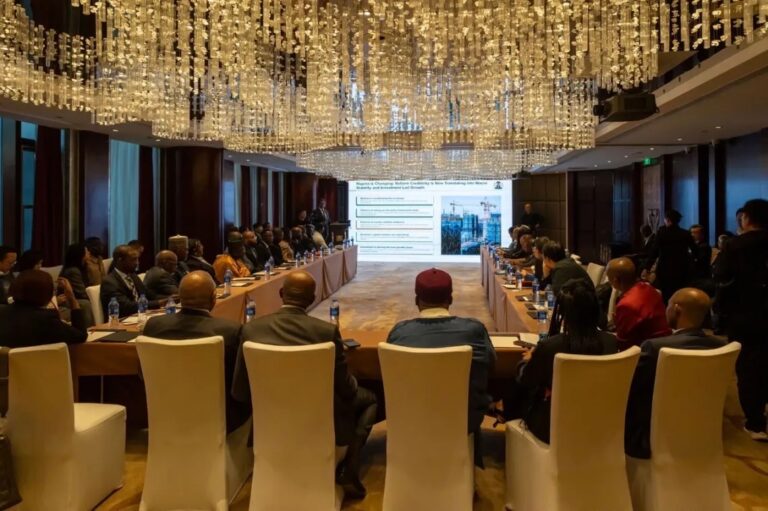
The webinar brought together energy experts, market analysts and industry stakeholders to assess the implications of the Iran conflict on global oil markets and West Africa’s energy future.
The experts who spoke at the webinar included: Chairman of MEMAN, Mr.Huub Stokman, Executive Secretary of MEMAN, Mr. Clement Isong, Senior Price Reporter, EMEA Gasoline and West Africa Refined Products, S&P Global Energy, Mr. Matthew Tracey-Cook,Africa Head of Fuels and Refinning, S&P Global Energy, Stanislaus Drochon, Former Managing Director, Eterna Oil, Mr. Olumide Adeosun.
The experts noted that the conflict has once again exposed the vulnerability of many African economies to external energy shocks, particularly those that rely heavily on imported petroleum products and lack adequate strategic reserves.
They stressed that unless African countries move decisively to strengthen domestic refining capacity, build strategic petroleum stockpiles and diversify their energy mix, future geopolitical crises could trigger supply shortages, price spikes and broader economic instability across the continent.
According to presentations made during the webinar, the global energy landscape is undergoing a major reset in which energy security, affordability and sustainability have become competing priorities.
The experts argued that Africa must pursue a “just transition” that balances climate goals with the continent’s developmental realities, while maintaining the strategic role of fossil fuels in the near and medium term.
The webinar highlighted energy security as a national security issue rather than merely an economic concern.
Other News
The experts argued that countries with robust refining infrastructure, adequate reserve stock and diversified energy sources are better equipped to shield consumers and industries from global market volatility.
To avert future crises, participants identified three critical policy priorities for African governments: Strengthen local refining capabilities to reduce dependence on imported fuels and improve regional energy self-sufficiency, establish and maintain emergency stockpiles to cushion the impact of supply disruptions and sudden market shocks and deepening investment in gas, biofuels and other cleaner energy sources to improve resilience, affordability and access.
The participants said African governments must focus on expanding domestic refining capacity to reduce dependence on imported fuels and improve regional energy self-sufficiency.
They also emphasised the need to develop strategic energy reserves through emergency stockpiles that can cushion the impact of supply disruptions and sudden market shocks.
In addition, they called for accelerated investment in gas, biofuels and other cleaner energy sources to improve resilience, affordability and access across the continent.
The webinar also examined global pricing trends, supply-chain vulnerabilities and the importance of regional cooperation in stabilising West Africa’s energy markets. Participants agreed that stronger policy coordination, infrastructure investments and market reforms would be essential to safeguarding the region against future disruptions.
MEMAN reaffirmed its commitment to promoting transparent market development, supporting evidence-based policy dialogue and advancing practical solutions aimed at strengthening Nigeria’s and Africa’s long-term energy security.