Follow Us on Google
From Paul Orude, Bauchi
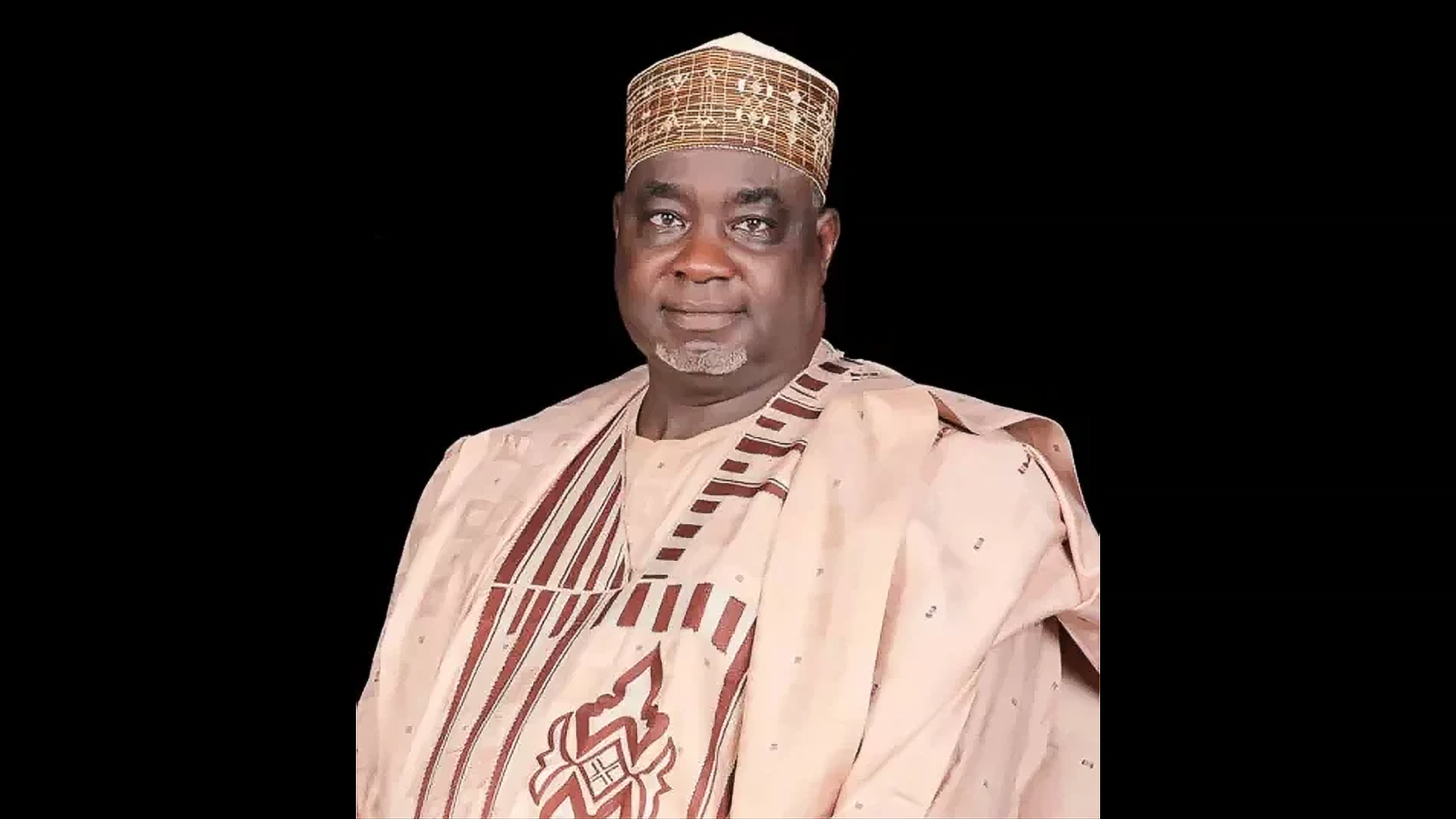
A former member of the House of Representatives, Aminu Danmaliki, has strongly condemned a call by a United States congressman urging the American government to push for the repeal of Sharia and blasphemy laws in Nigeria.
Danmaliki made the remarks during a press conference where he described the report submitted to Donald Trump by Riley Moore as “mischievous” and an unwarranted interference in Nigeria’s internal affairs.
The former lawmaker also dismissed allegations of genocide against Christians in northern Nigeria, insisting that the country’s security crisis affects both Muslims and Christians.
“Nigeria is not experiencing Christian genocide in any part of the country,” Danmaliki said.
He noted that several prominent figures and institutions had rejected the genocide narrative, including Ahmad Gumi, Pope Francis, Matthew Hassan Kukah, the Federal Government of Nigeria, and Nigeria’s First Lady Oluremi Tinubu.
According to him, the security challenges facing Nigeria are largely the result of insurgency, banditry, kidnapping networks, governance weaknesses, and the proliferation of weapons across the Sahel region.
“These are complex security problems affecting Nigerians regardless of religion,” he said.
Danmaliki argued that portraying the crisis as a targeted campaign against Christians distorts the realities on the ground and risks worsening religious tensions.
The former legislator maintained that Sharia law operates within Nigeria’s constitutional framework and applies only to Muslims.
He said non-Muslims are not compelled to appear before Sharia courts and continue to have full access to secular courts under the Nigerian legal system.
“Sharia in Nigeria is a constitutional right of Muslims and functions alongside other legal systems within the country,” he said.
Danmaliki further criticised attempts by foreign actors to influence Nigeria’s religious and legal institutions, describing such moves as interference in the country’s sovereignty.
He warned that framing Nigeria’s security crisis as a religious war could deepen divisions, strengthen extremist propaganda, and undermine peace-building efforts.
“Nigeria deserves partnership grounded in truth, not pressure built on selective storytelling,” he added.