Follow Us on Google
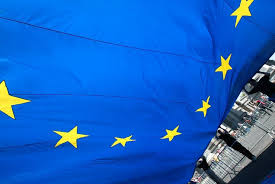
As Nigeria prepares for a general election in 2027, the European Union (EU) has called for extensive electoral reforms. Many other individuals and groups have also made the same call. It has become more expedient now than ever before that the Bola Tinubu administration heeds these calls to ensure credible and fair elections in Nigeria. The outcome of the 2023 elections underscored the need for extensive electoral reforms. The polls were characterized by vote-buying, violence, harassment and intimidation of voters as well as outright manipulation of election results. The presidential election was particularly more problematic. The Independent National Electoral Commission (INEC) had promised to transmit results real-time to its portal. At the end of the day, the commission failed to reckon with the electronic transmission of results, claiming technical glitches on its servers.
The EU, which has been a great supporter of credible elections in the country and elsewhere, had highlighted some of these pitfalls. According to the body, delays, especially in legislative and constitutional amendments, could undermine democratic progress. In a recent meeting with the INEC in Abuja, a member of the European Parliament and the Chief of the EU Election Observation Follow-up Mission to Nigeria, Barry Andrews, acknowledged improvements made by INEC. He, however, noted that several of the 23 recommendations from the 2023 EOM final report on the 2023 election remained unimplemented. These recommendations were against international standards that the EU, Nigeria and most countries signed up to.
Out of these 23 recommendations, there are six priority areas. They include the need for legal clarity by passing the 2025 Electoral Act Amendment; establishment of a publicly accountable appointment process for INEC members; and ensuring simultaneous, real-time manual and electronic publication of election results. Others are providing stronger protection for media freedom and journalists safety; addressing discrimination against women in political life by adopting Reserved Seats Bill to boost women’s representation in politics; and the establishment of an Independent Electoral Offences Commission to address impunity regarding electoral offences such as vote-buying, violence, and intimidation.
The EU warned that Nigeria’s democracy could enter crisis mode ahead of the 2027 elections if these comprehensive electoral reforms were not implemented without delay. Without reforms, it noted, public trust would collapse and democracy would pay the price.
The National Assembly should spearhead this crusade for electoral reforms. INEC should also be involved. The commission had carried out some reforms to make the country’s polls credible. They include the introduction of the Bimodal Voter Accreditation System (BVAS) and the INEC Result Viewing Portal (IReV). In the 2023 election, INEC introduced the use of this technology only as part of its regulations and guidelines. The problem here is that though the Electoral Act confers power on the INEC to issue guidelines for the conduct of elections, the Supreme Court ruled that such guidelines and regulations have no binding effect. Many Nigerians had thought otherwise.
According to the apex court, the use of innovations like BVAS and IReV is not compulsory and that the electronic transmission of election results is not a provision of the Electoral Act 2022. They require the force of law to make them tenable. In effect, IReV is meant for viewing purposes only and not part of the collation system. Hence, INEC is not bound to use it in any election. This gave the umpire the latitude to violate its guidelines in the 2023 election with impunity. It seriously affected the integrity of that election.
Another lacuna in the electoral law is that the burden to prove over-voting lies on the litigants. They are expected to prove their case by providing BVAS machines, voter register and polling unit level results sheet Form EC8A. It is imperative to note that the custodian of these election materials is INEC, not the litigants. INEC could refuse to tender these materials early enough in court. This, in no small way, could hamper the case of the election petitioners. Reforms must address some of these ambiguities and lacunae in the Electoral Act 2022. They must strengthen the enforcement of INEC guidelines and regulations. Electronic voting and electronic transmission of election result real time should be made mandatory. It will reduce voter suppression and intimidation.
We call for attitudinal change of the electorate, candidates and party supporters. We must collectively reject monetization of our politics and electoral process such as vote-buying and voter inducement. Votes must count. If they do not, voter apathy will increase. Electoral offenders must be tried and punished. People commit electoral offences simply because past offenders were not punished. For our democracy to grow more than it is now, the call for electoral reforms is in order.