Follow Us on Google
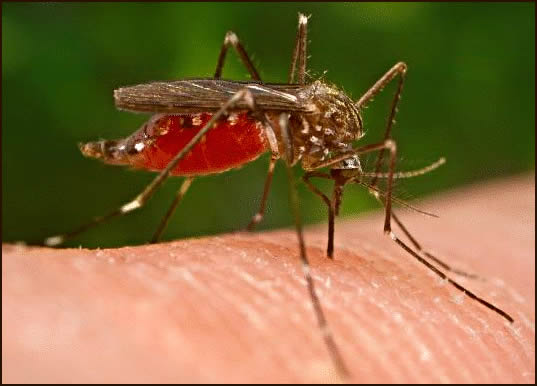
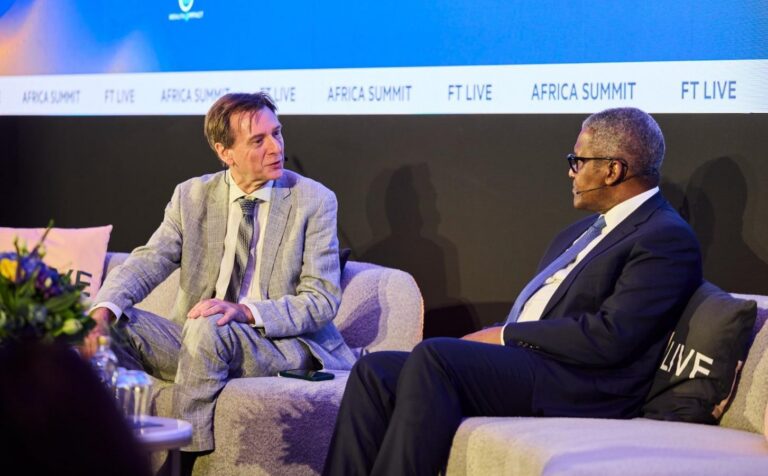
The World Health Organisation (WHO) and other stakeholders have called for more funding and sanitised environment to eradicate malaria in the country. The call was made during this year’s World Malaria Day (WMD) marked on April 25 with the theme, “Driven to End Malaria: Now We can. Now We Must.” This is a rallying cry to grasp the moment—to protect lives now and fund a malaria-free future. In the same vein, the Chairman of Nigeria’s National Malaria Elimination Council (NMEC) and United Nations Malaria Ambassador, Aliko Dangote, has urged the governments and the private sector to scale up coordinated action to eliminate malaria in the country.
Despite global efforts to end the malaria scourge, the disease is still a major cause of death among women and children the world over. It is still a major cause of absenteeism from work and school. According to the WHO, in 2024, there were an estimated 282 million malaria cases and 610,000 deaths worldwide, with cases rising from 273 million in 2023. About 598,000 people died from malaria in 2023.
The global health agency further says that the WHO African Region bears the heaviest burden of the disease, with 11 countries accounting for roughly two-thirds of global cases and deaths. Nigeria alone bears 24.3 per cent of global cases and 30.3 per cent of deaths. Ethiopia, Madagascar and Yemen accounted for 58 per cent of the estimated case increase from 2023 to 2024. It also says that nearly half of the world’s population is at risk of malaria. Children under 5 accounted for 75 per cent of all deaths in Africa in 2024. Available statistics show that nearly every minute, a child under five dies of malaria. Incidentally, progress in reducing malaria mortality is far off track, hindered by rising anti-malarial drug resistance.
Nevertheless, about 47 countries and one territory have been certified malaria-free by the WHO, with 37 countries reporting fewer than 1000 indigenous cases. Countries with the highest burden of the disease in 2024 included Nigeria (24.3 per cent of cases), followed by others in the African region, including the Democratic Republic of the Congo and Uganda. According to World Malaria Report 2025, the WHO African Region accounted for 94 per cent of cases and 95 per cent of deaths globally. Globally, an estimated 2.3 billion malaria cases and 14 million malaria deaths have been averted since 2000.
Other News
Some of the countries certified malaria-free in 2024-2025 include Cabo Verde, Egypt, Georgia, Suriname, and Timor-Leste. Therefore, Nigeria should scale up funding, treatment access and public hygiene to be in this league of certified malaria-free nations by 2030.
Efforts to eliminate malaria in Nigeria include vaccine rollout, vector control, preventive treatments, strategic initiatives and others. Nigeria has begun a phased rollout of R21 malaria vaccine, widespread distribution of insecticide-treated bed-nets (ITNs) and seasonal chemoprevention for children. Through these initiatives, Nigeria has also witnessed a reduction in national prevalence to 15 per cent, while there are intensified plans to enhance community-based intervention, increased funding, and new 2026-2030 strategic plans. The R21malaria vaccine rollout targets children in high-burden areas like Bayelsa and Kebbi states, with over 140,000 doses administered from an initial batch. The government has distributed Long-Lasting Insecticidal Nets (LLINs) and conducted Indoor Residual Spraying (IRS) in high-risk areas. There has been seasonal malaria chemoprevention (SMC) administration to children under five during high transmission seasons, alongside intermittent preventive treatment for pregnant women.
Despite these achievements, there are still challenges such as funding gaps, insecticide resistance and low net utilisation. The federal and state governments should increase the funding of Nigeria’s NMEC. Nigeria has the human and material resources to eliminate malaria by 2030 if the government and other stakeholders work in concert to do so. We agree with the WHO Director of West and Central Africa Programme, Dr Kolawole Maxwell, that eradicating malaria requires “sustained funding by the government, good environmental hygiene, maintaining a mosquito-free environment and effective use of mosquito nets.”
We call on other philanthropists in Nigerians to assist in the fight to eliminate malaria in the country. We also call for community involvement in malaria prevention. Nigerians should sleep under insecticide-treated bed-nets. They should also avoid stagnant water and clean the gutter always. There is need to improve testing and treatment services. Let there be sustained public enlightenment about malaria, the causes, symptoms, treatment options and preventive measures. Government should increase access to malaria vaccines as well as seasonal chemoprevention for women and children.