Follow Us on Google

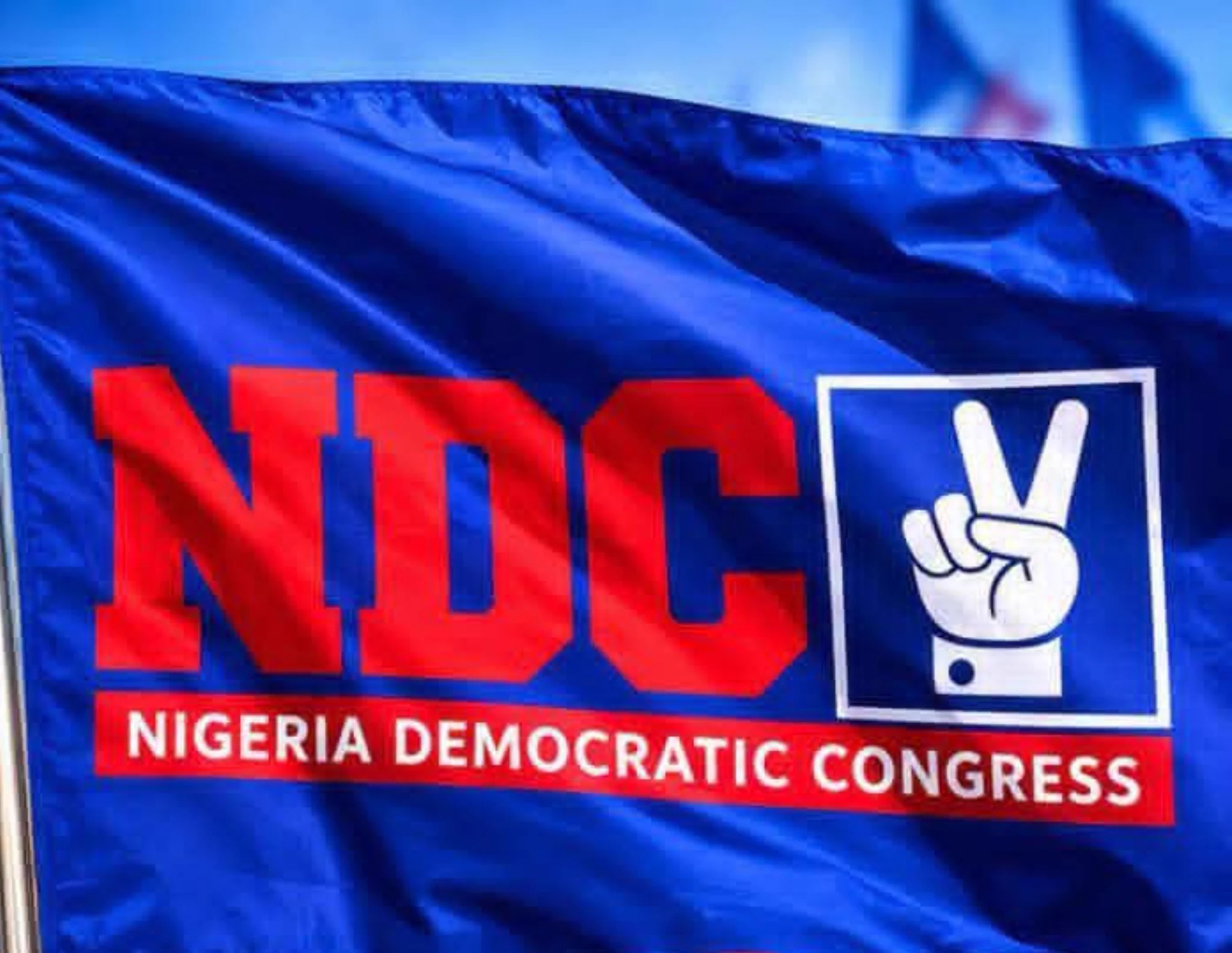
An Enugu-based senior lawyer and chieftain of the Nigeria Democratic Congress (NDC), Okenna Peter Agubuzu, has criticised the Federal Government’s reported appeal against a court judgment ordering the British Government to pay £420 million in compensation to the families of 21 coal miners killed by colonial police during the 1949 Iva Valley massacre in Enugu.
Agubuzu described the decision to challenge the judgment as regrettable, questioning why the Nigerian Government would seek to overturn a ruling in favour of citizens whose relatives were killed while protesting poor working conditions and racial discrimination under British colonial rule.
The judgment, delivered by Justice Anthony Onovo of the Enugu High Court on February 5, 2026, reportedly ordered the United Kingdom to pay £20 million to each of the 21 affected families and issue a formal apology for the killings.
The ruling followed suit E/909/2024, instituted by an activist, Greg Onoh, against the British Government, represented by the Secretary of State for Foreign, Commonwealth and Development Affairs, and other respondents, including the Federal Government and the Attorney-General of the Federation (AGF).
The court also held that the Federal Government had a constitutional responsibility to pursue justice and diplomatic engagement on behalf of the victims’ families.
Reacting to the reported appeal, Agubuzu accused the Tinubu administration of failing to demonstrate sufficient concern for the suffering endured by generations of families who lost their breadwinners in the massacre nearly eight decades ago.
“The appeal filed by the AGF is quite curious and regrettable. Whose interest is the AGF protecting? Is he protecting the interest of Nigerians or the United Kingdom? Is it the duty of the Nigerian Government to appeal against a judgment awarded in favour of Nigerians against ill-mannered colonialists?” he asked.
He maintained that the Federal Government should have supported efforts to secure compensation rather than challenge the ruling, arguing that the decision raised questions about its commitment to protecting the interests of Nigerian citizens.
“It is unfortunate and regrettable that the Tinubu government chose to protect the interest of the United Kingdom, rather than allow them to honour the judgment or appeal,” he said.
Other News
Agubuzu urged the government to reconsider its position, citing Kenya’s handling of compensation claims arising from abuses committed by British colonial authorities during the Mau Mau uprising in the 1950s. He recalled that the Kenyan government publicly supported the victims’ legal claims in British courts in 2010, while maintaining that independent Kenya could not be held responsible for abuses committed by the colonial administration.
He said the Kenyan government subsequently intensified diplomatic efforts to secure redress, including an October 2012 intervention by then Prime Minister Raila Odinga, who wrote to British Prime Minister, David Cameron, seeking a resolution.
The efforts culminated in a June 2013 settlement under which the British Government agreed to pay £19.9 million to 5,228 Kenyan claimants, expressed sincere regret over the torture and mistreatment they suffered, and pledged support for a memorial in Nairobi.
Agubuzu argued that Nigeria should adopt a similar approach by supporting the families of the slain miners in their pursuit of compensation and an official acknowledgment of the colonial-era killings. He consequently called on the Federal Government to withdraw its reported appeal and pursue diplomatic engagement with the British authorities to secure justice for the affected families.
The Iva Valley massacre occurred on November 18, 1949, when British colonial police opened fire on striking coal miners in Enugu, killing 21 workers and injuring 51 others.
The killings provoked widespread condemnation across Nigeria, galvanised organised labour and nationalist movements, and became a defining episode in the struggle against British colonial rule that culminated in Nigeria’s independence in 1960.
The controversy has acquired wider significance following similar demands by human rights lawyer, Femi Falana, and protests by descendants of the slain miners, who have called on Britain to comply with the judgment.
Falana, in a statement on November 18, urged the Federal Government to withdraw its appeal and, instead, intensify diplomatic efforts to secure the compensation, arguing that Britain had not challenged the ruling.
On November 19, relatives of the victims protested at the British High Commission, demanding payment of the compensation and a formal apology, 77 years after the massacre. Their counsel, Yemi Akinseye-George, confirmed that the Federal Government had appealed the judgment, while the British Government had neither appealed nor obtained a stay of execution.